- explain.film
- Sample films
- Moth vs. Butterfly: What’s the Difference?
Moth vs. Butterfly: What’s the Difference?
Make your own explainer
Try it for free.
Archival documentary explainer · 50 seconds · English
A 50-second archival-documentary explainer: the rules of thumb for telling a moth from a butterfly, antennae, wings at rest, night or day, and the family tree that shows a butterfly is a moth that came out into the sun.
- The brief
- “Moth vs. butterfly: what’s the difference?”
- Style
- Archival documentary
- Length and frame
- 50 seconds · 16:9
- Made for
- Lessons and courses
How it was made.
The whole brief was the question, worded the way people search for it. The director picked the style itself. It pinned two specimens on one card and sorted them by three classic rules before the family tree undoes the rivalry.
Nine in ten species are still moths, a fact the film saves for the end. It cost $4.88 of model spend to make.
Every film on explain.film is made the same way: one sentence in, a storyboard you approve, then the director paints, voices, scores and animates it, and a critic model grades the cut before you see it.
Transcript
- Pinned side by side, a butterfly and a moth look like two rival teams.
- Start with the antennae: a butterfly's end in tiny clubs, a moth's are feathery, or taper to a point.
- Watch them land: butterflies fold their wings up like a closed book; moths mostly lie flat.
- And most moths fly by night, while butterflies fly by day.
- But these are rules of thumb, because butterflies grew out of the moth family tree: one branch of night fliers that moved into daylight.
- Nine in ten species are still moths.
- A butterfly isn't the moth's opposite.
- It's a moth that came out into the sun.
More films made with explain.film.
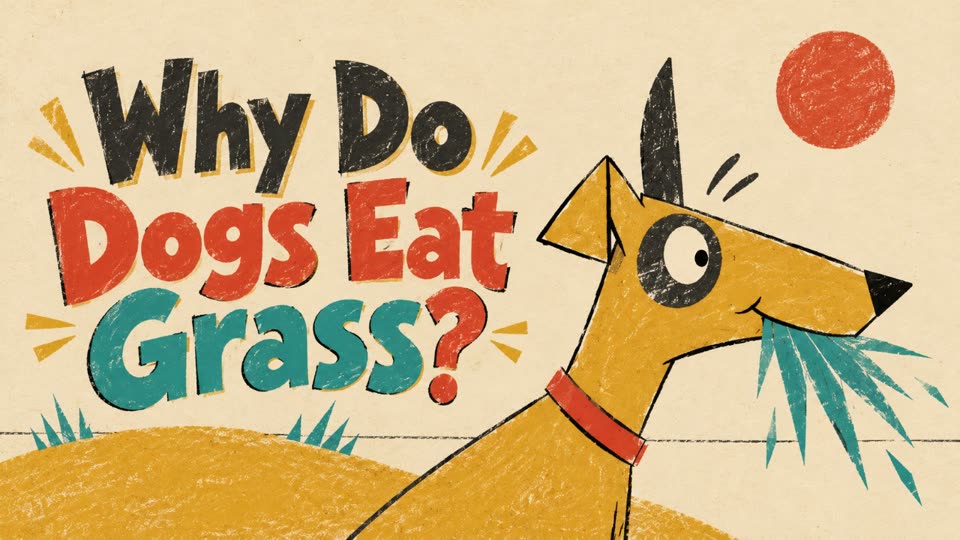
Why Do Dogs Eat Grass?
A 51-second animal explainer in a mid-century cartoon style. A survey of 1,500 dog owners shows most grass-eating dogs are not sick, and the best theory is a worm-sweeping habit handed down from wolves.
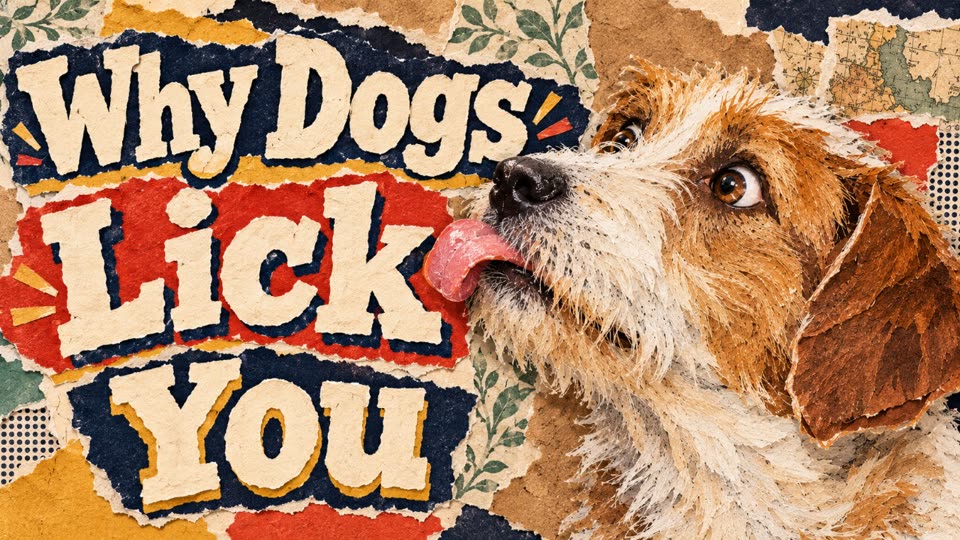
Why Do Dogs Lick You?
A 49-second editorial-collage explainer: a dog’s lick began as a wolf pup asking an adult for dinner, a puppy habit dogs never grew out of and turned on us.
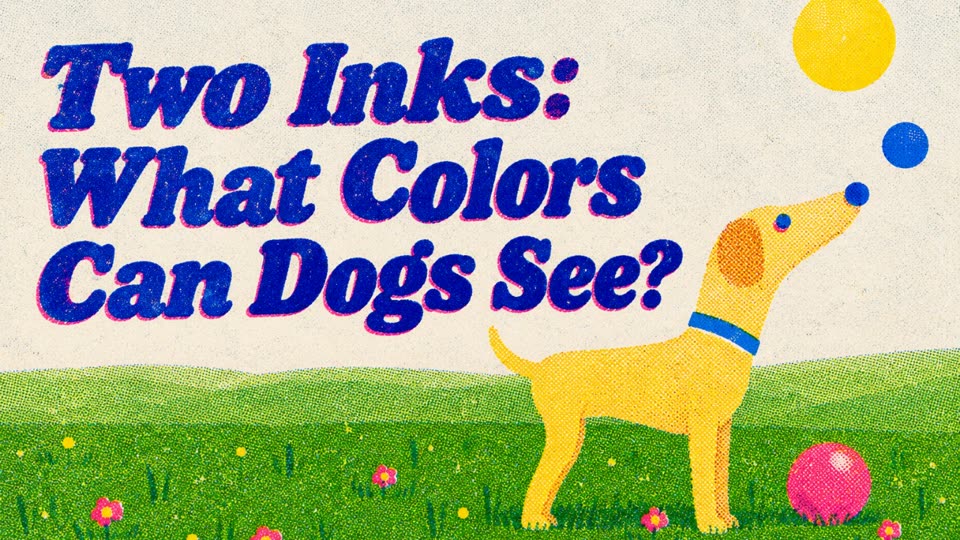
What Colors Can Dogs See?
A 49-second Risograph explainer: our eyes print the world in three inks, a dog’s in two, blue and yellow, which is why a red ball vanishes on green grass.
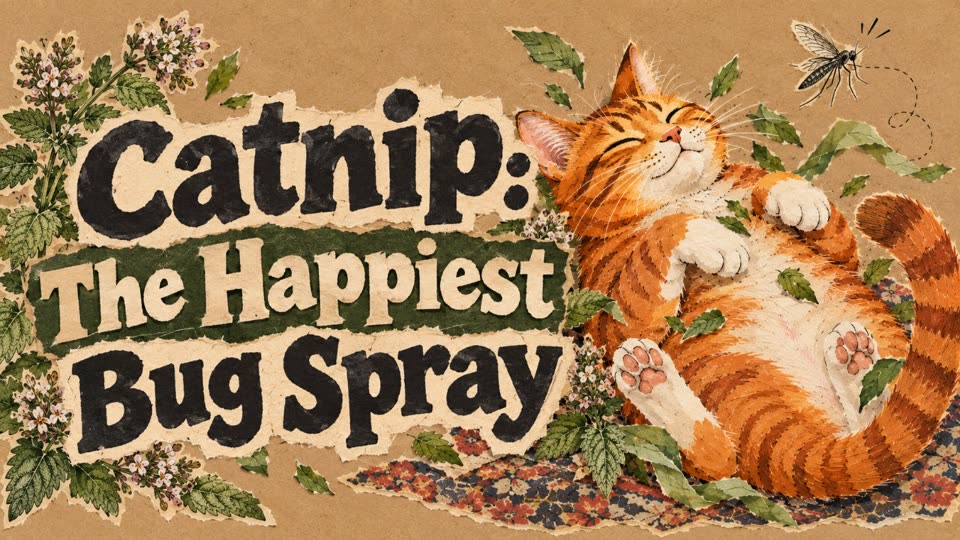
What Is Catnip, and What Does It Do to Cats?
A 49-second collage explainer: catnip is a mint whose scent sets off a cat’s own endorphins, and the blissed-out roll may really be insect repellent the cat paints onto its fur.
Why do cats purr?
What is the rarest blood type?
Got a topic of your own?
One sentence is enough. Approve the storyboard and get a narrated, animated film like this one in about 15 minutes.
Make a film like this