- explain.film
- Sample films
Real briefs. Real films.
41 films, and every one started as one sentence. Watch them with sound, read the transcripts, and see the brief and the art style behind each one.
New from our channel.
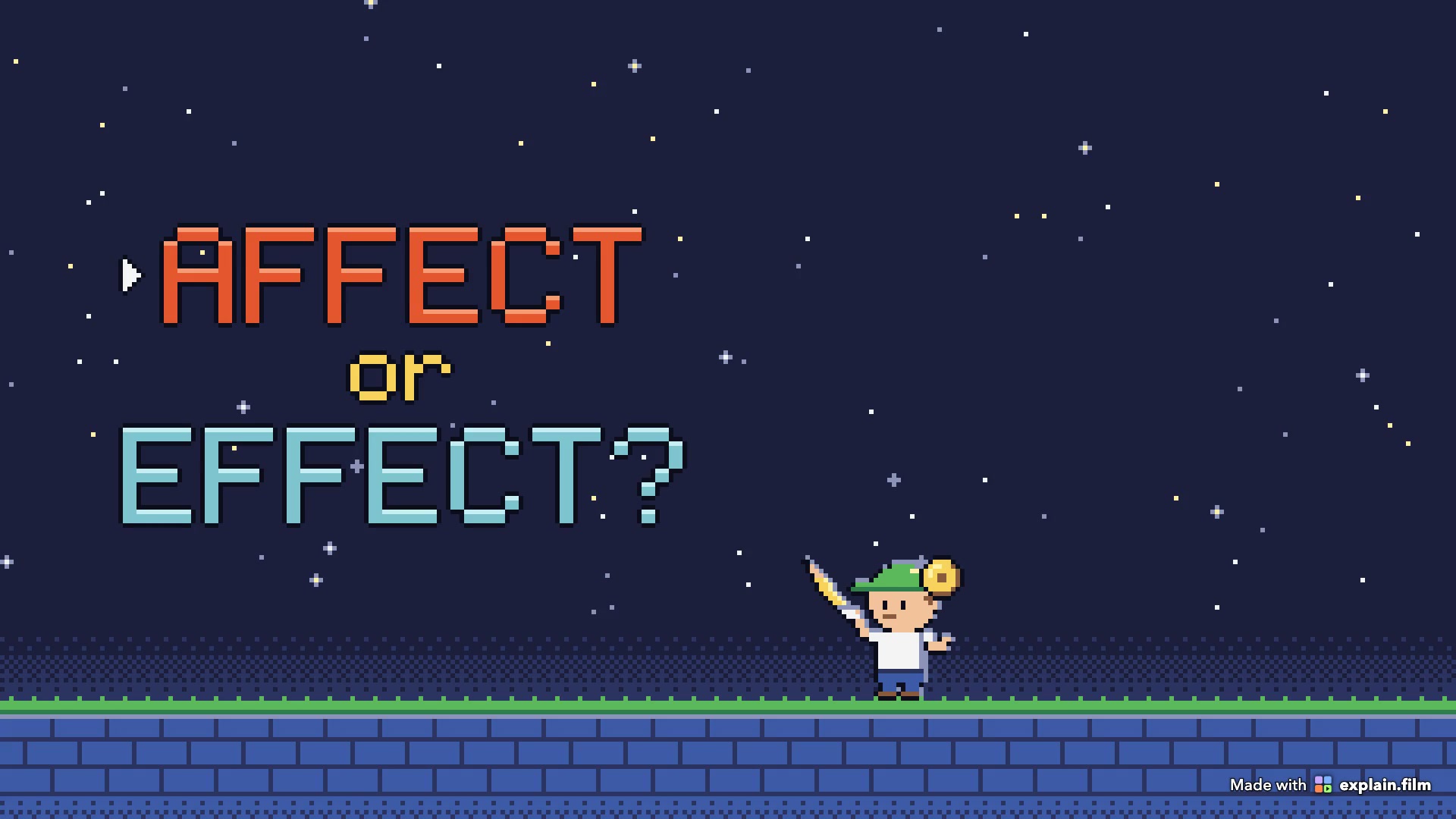
Affect or effect?
An 8-bit hero who has guessed between affect and effect for years learns the rule: affect is the action, effect is the end result.
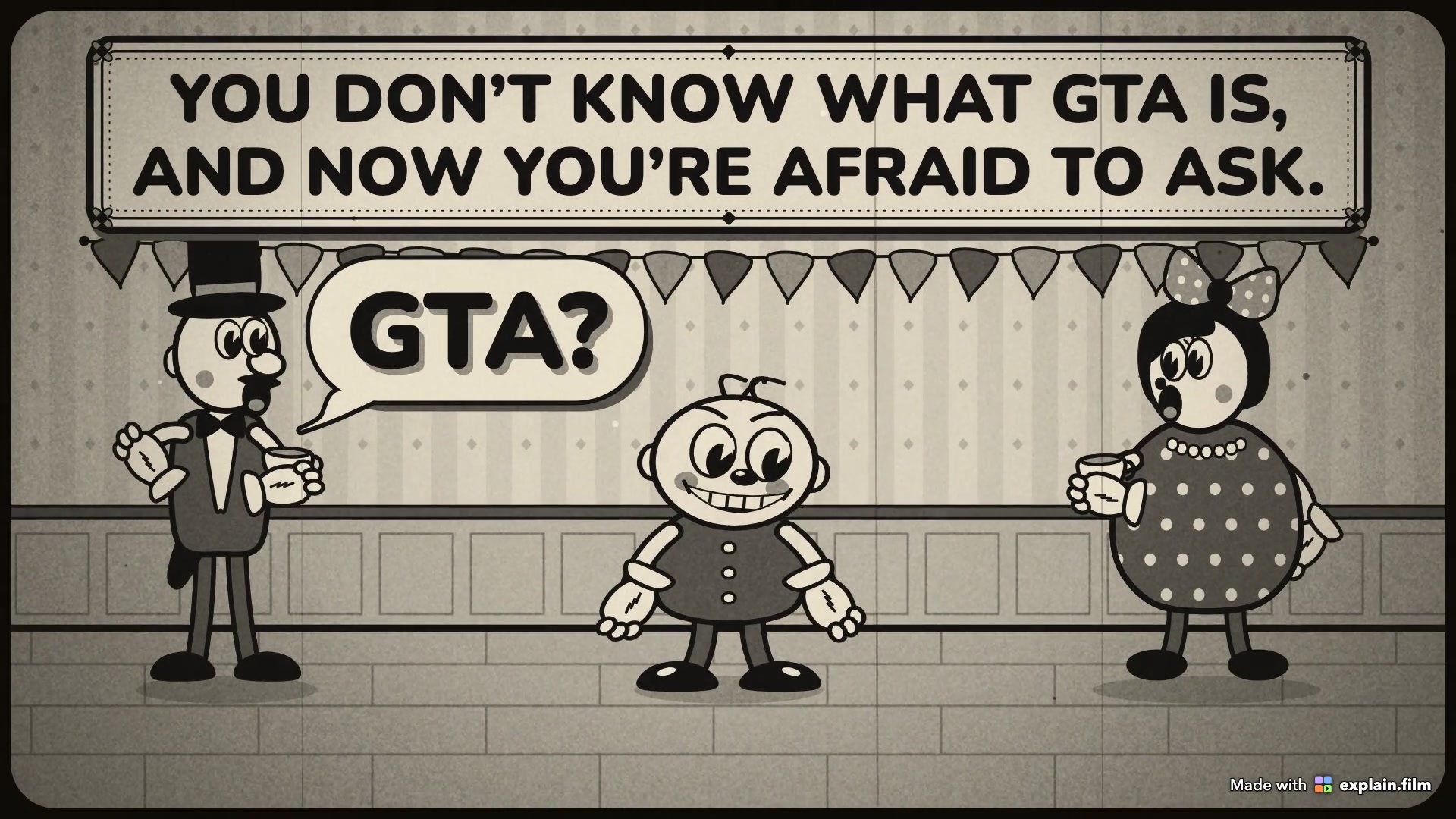
You don't know what GTA is, and now you're afraid to ask.
A nervous little party guest finds out what GTA is: Grand Theft Auto, a giant fake city where you mostly drive badly, and over 200 million copies sold. A 16:9 cut of the looping Short.
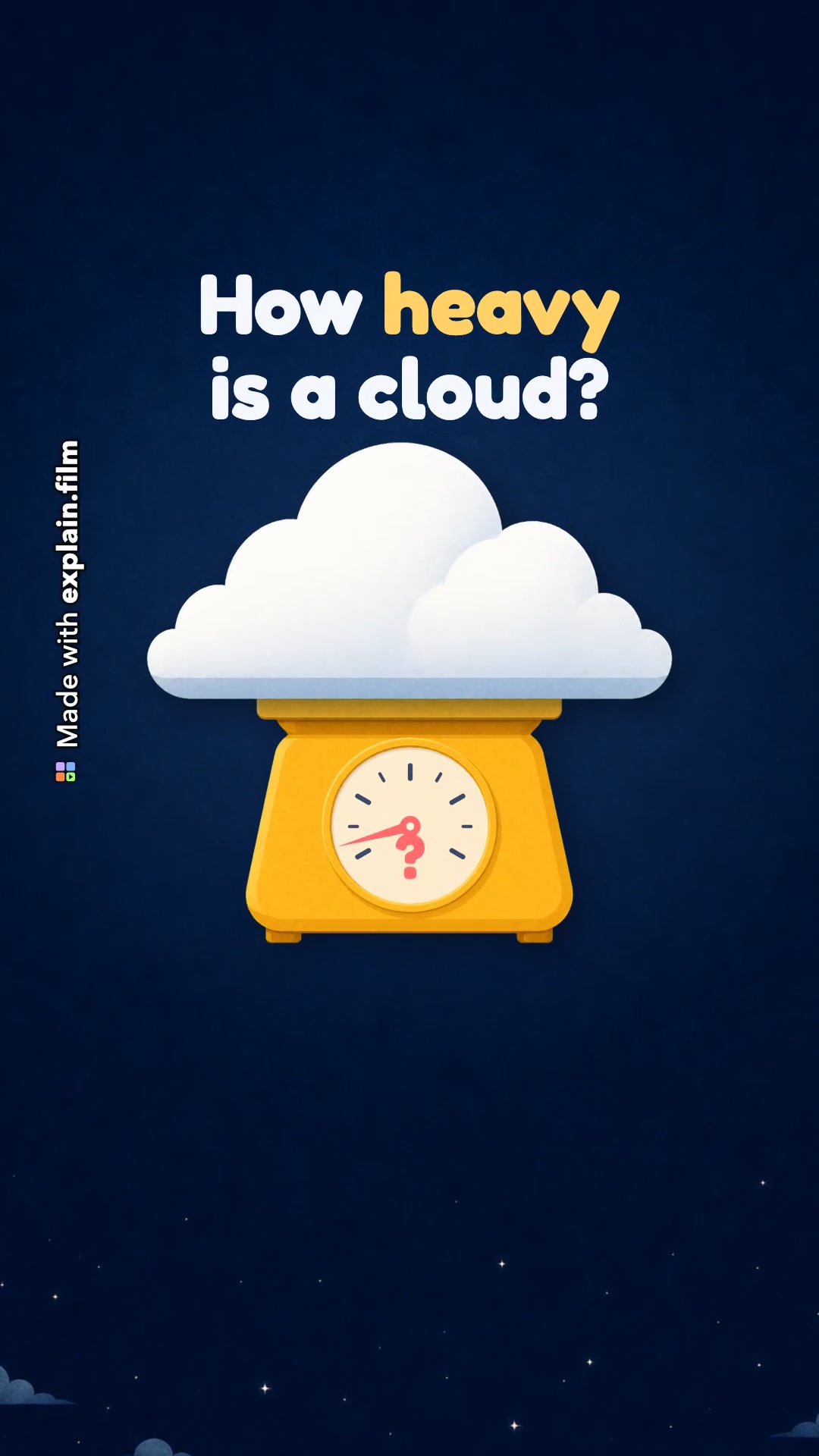
How heavy is a cloud?
One fluffy cloud sits on a weighing scale while three guesses compete — a car, a bus or a hundred elephants — until the needle swings to 500 tonnes.
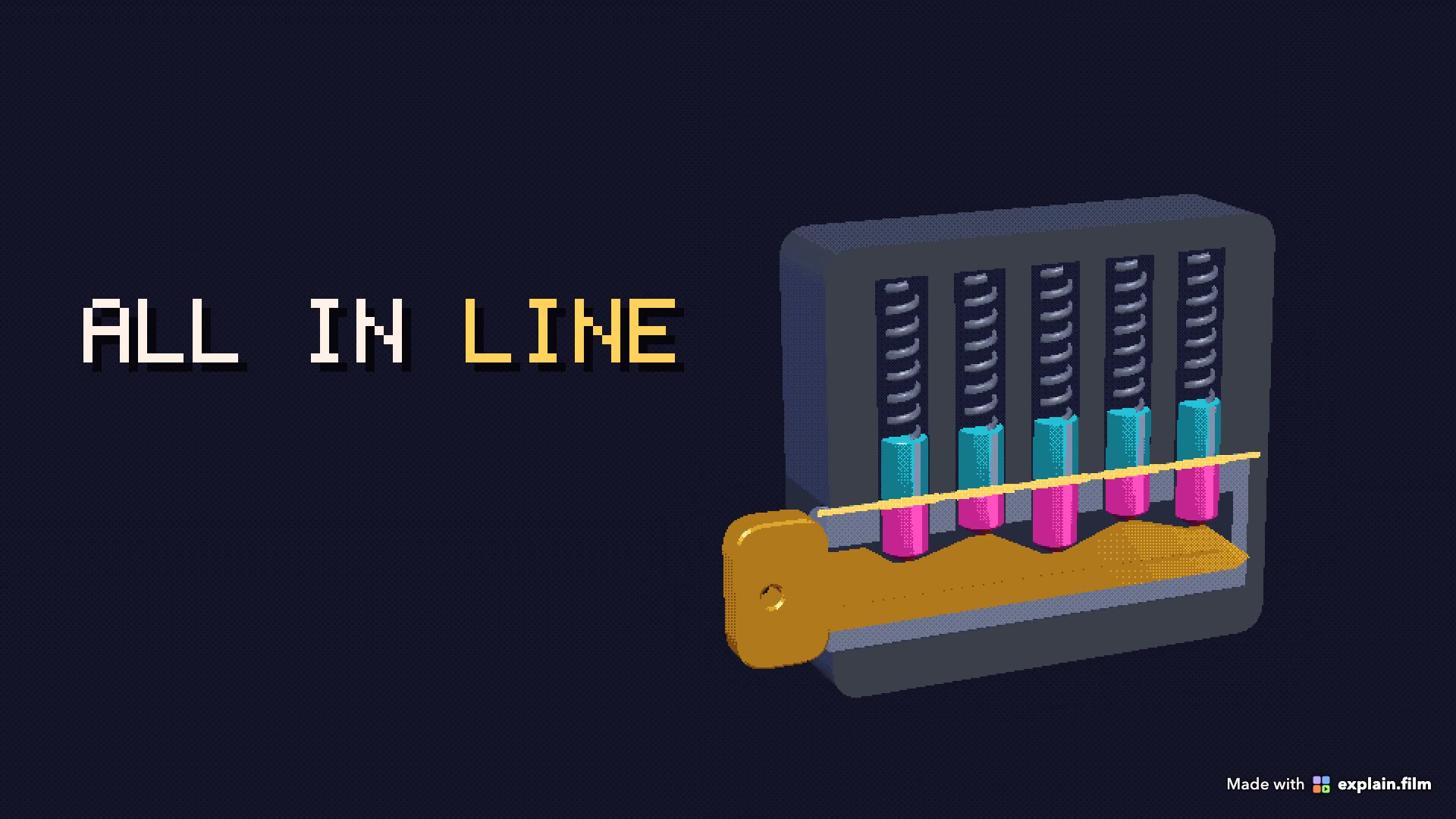
How does a lock work?
A pin tumbler lock in cutaway: the pins block the turn, the right key lifts them all to the shear line, and the plug turns. A 17-second seamless 3D loop with music and text cards.
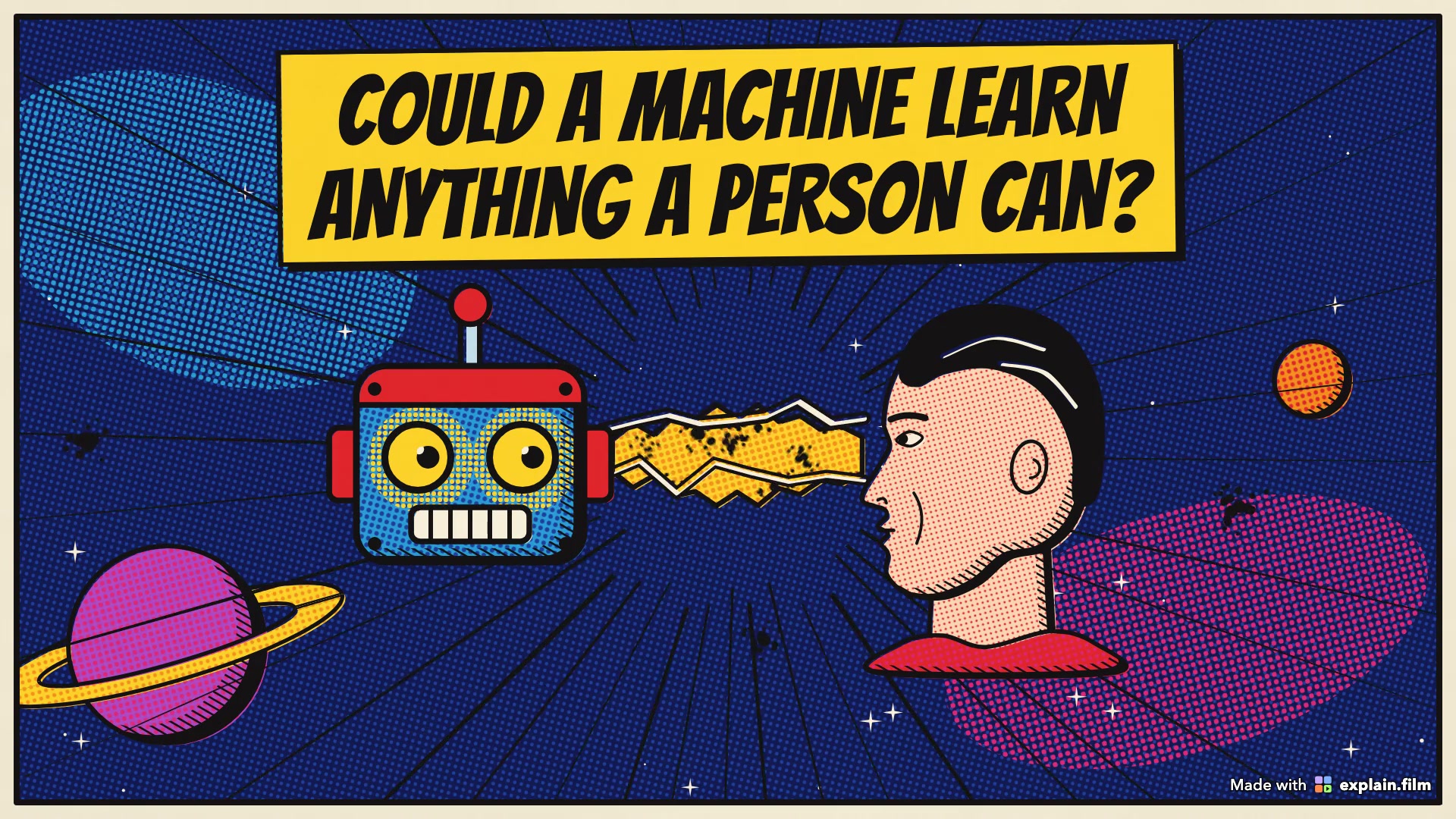
What is AGI?
Could a machine learn anything a person can? Narrow systems, the AGI idea, two rival definitions, levels instead of one finish line, and expert guesses from a few years to decades: a 36-second seamless comic loop.
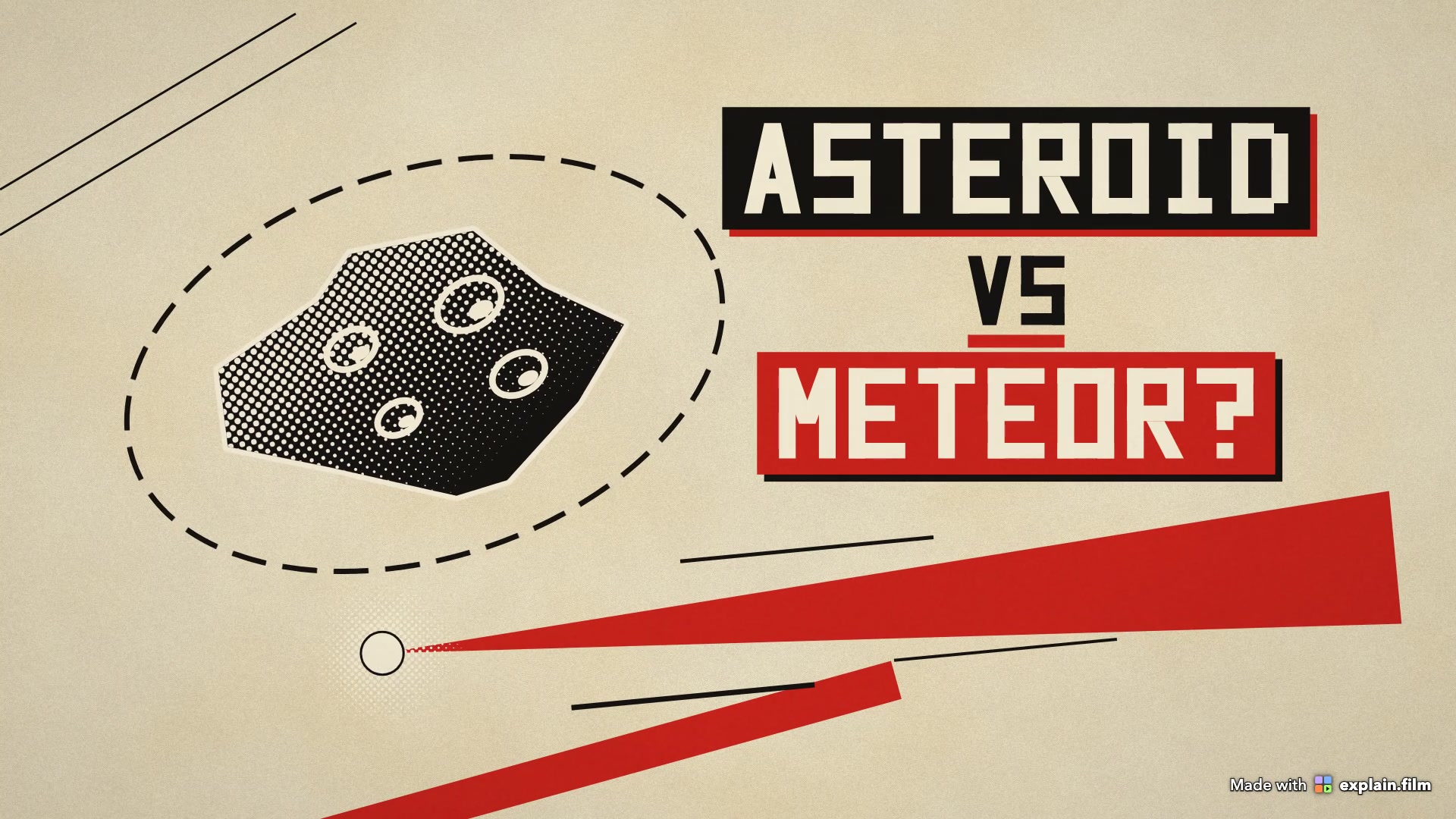
Asteroid vs meteor
Four names for one space rock — asteroid and meteoroid in space, meteor in the sky, meteorite on the ground — in a looping Constructivist poster.
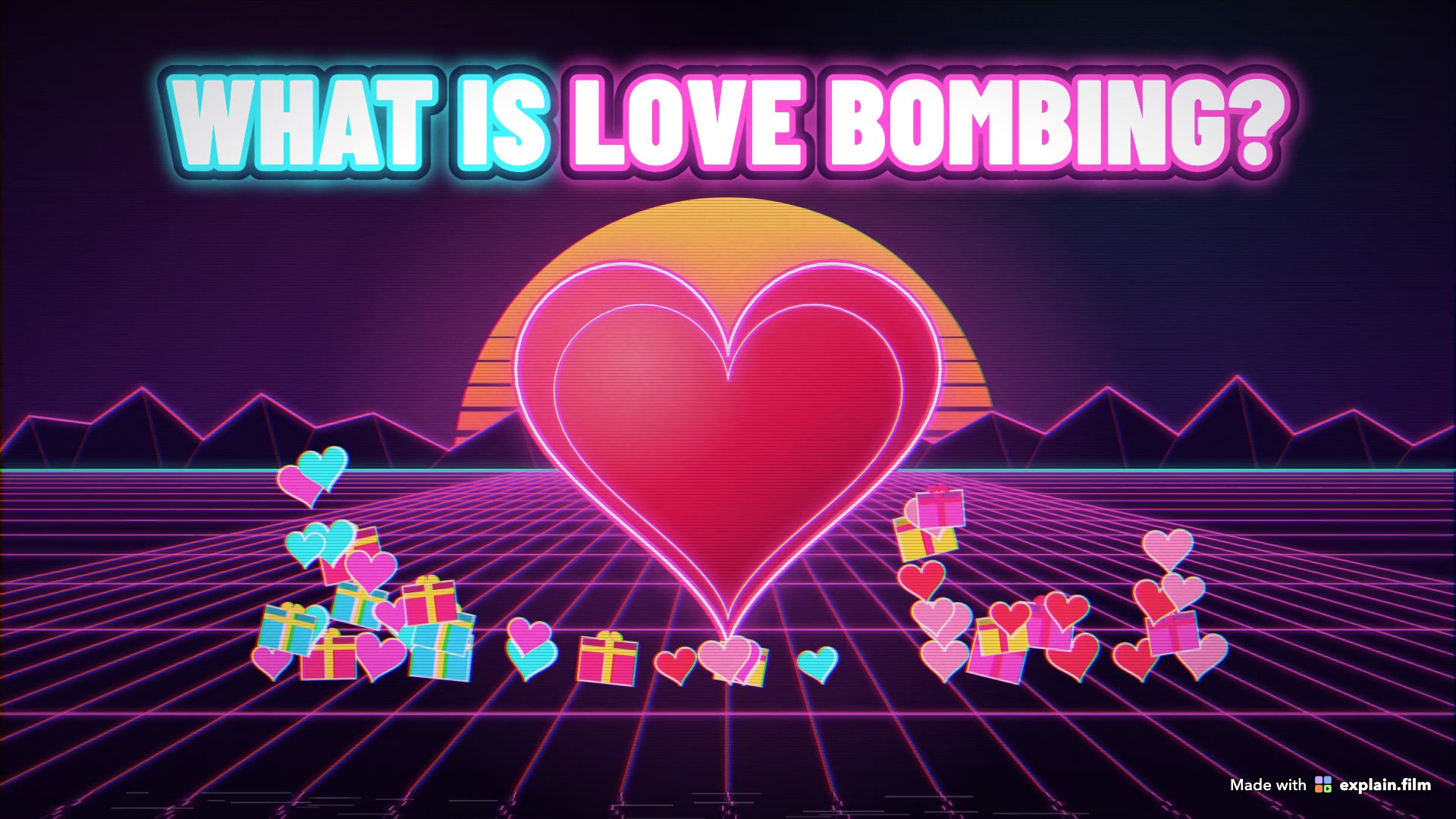
What is love bombing?
A neon heart buried under gifts shows how over-the-top affection can be used to influence someone, and where to turn if it feels overwhelming.
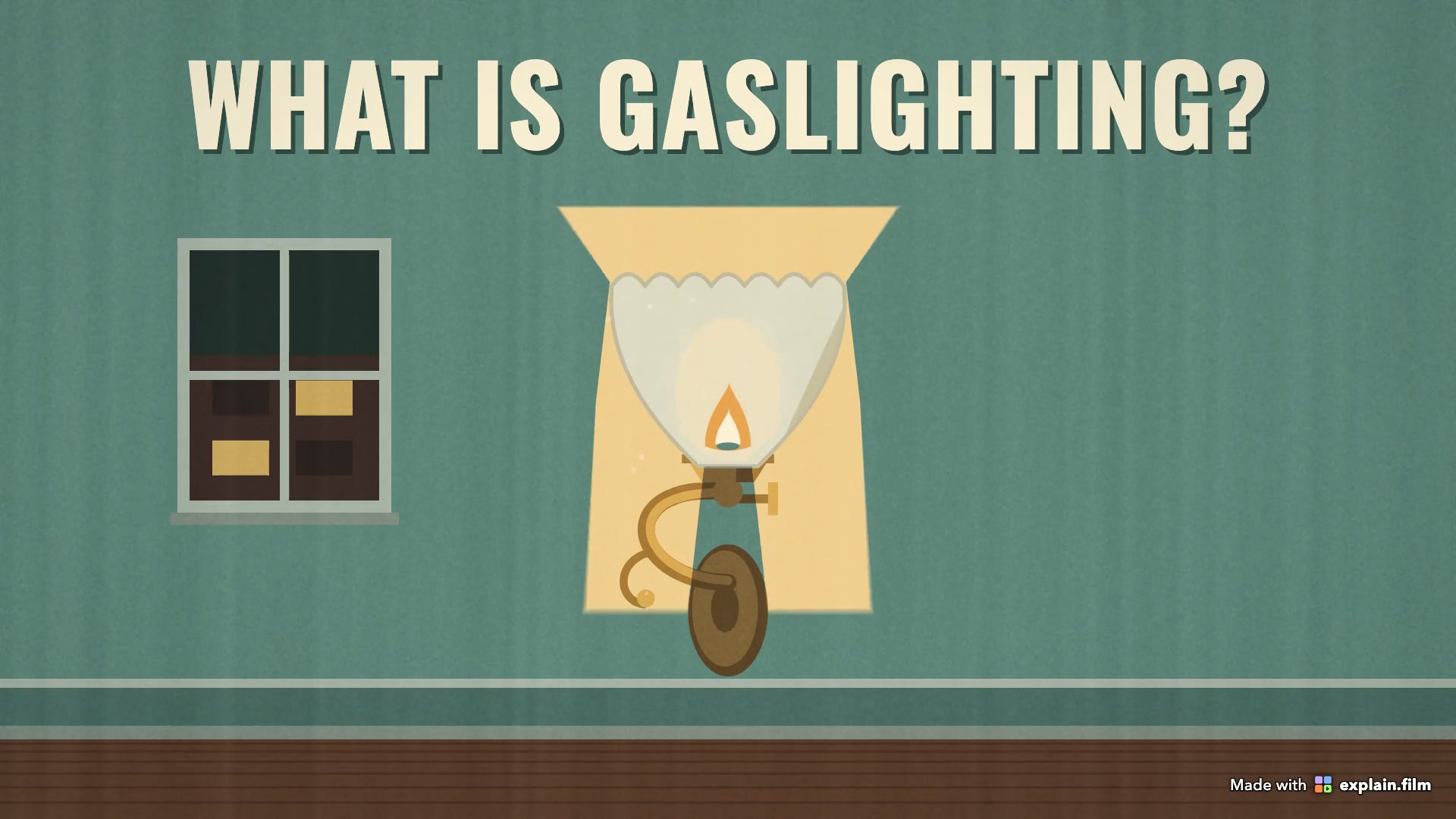
What is gaslighting?
A brass gas lamp dims in quiet Hopper rooms: where the word comes from, what it means today, and what helps.
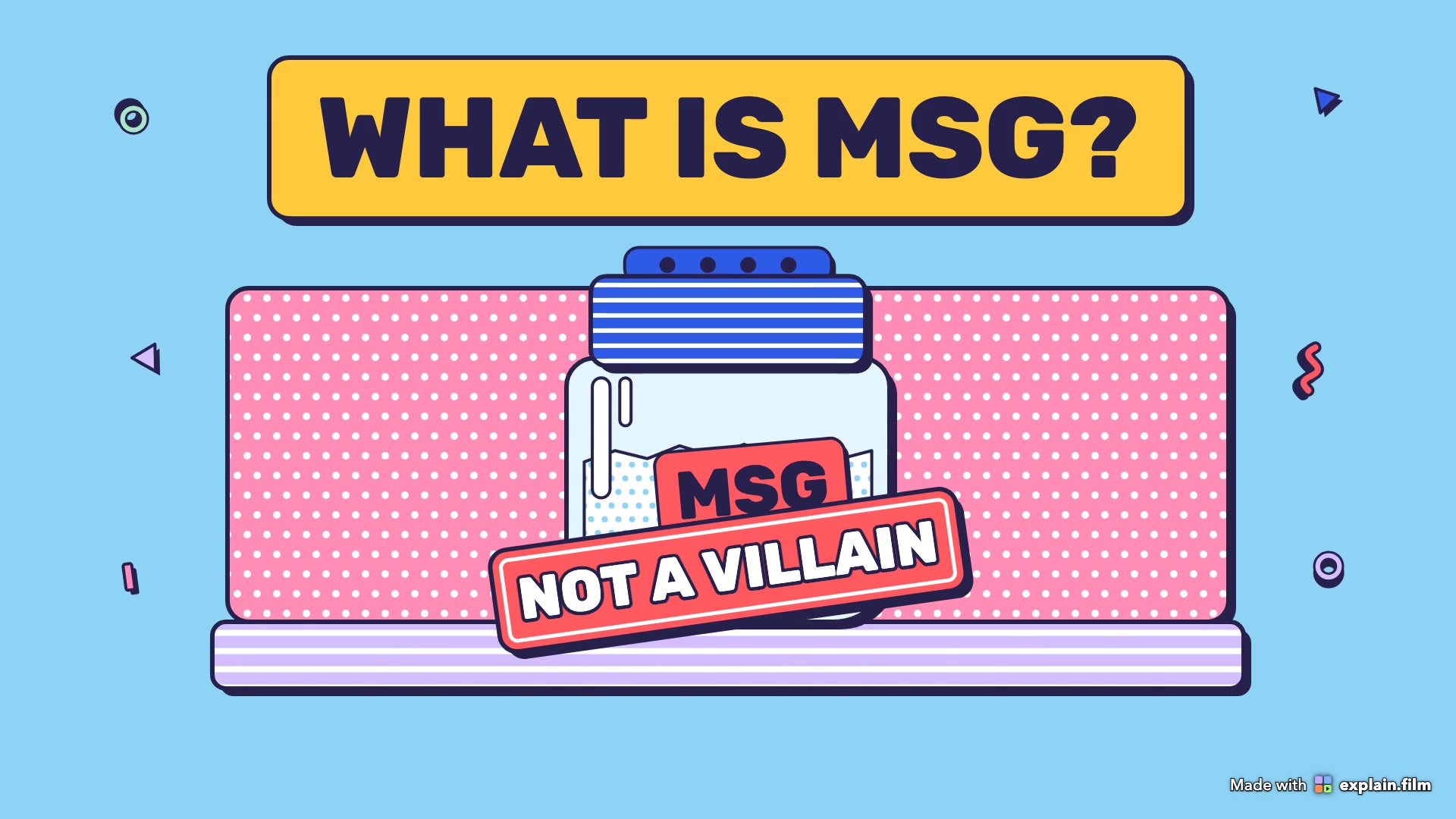
What is MSG?
MSG is glutamate, the savoury taste already in tomatoes and parmesan; it has a third of salt's sodium, and blinded studies found no consistent reaction.
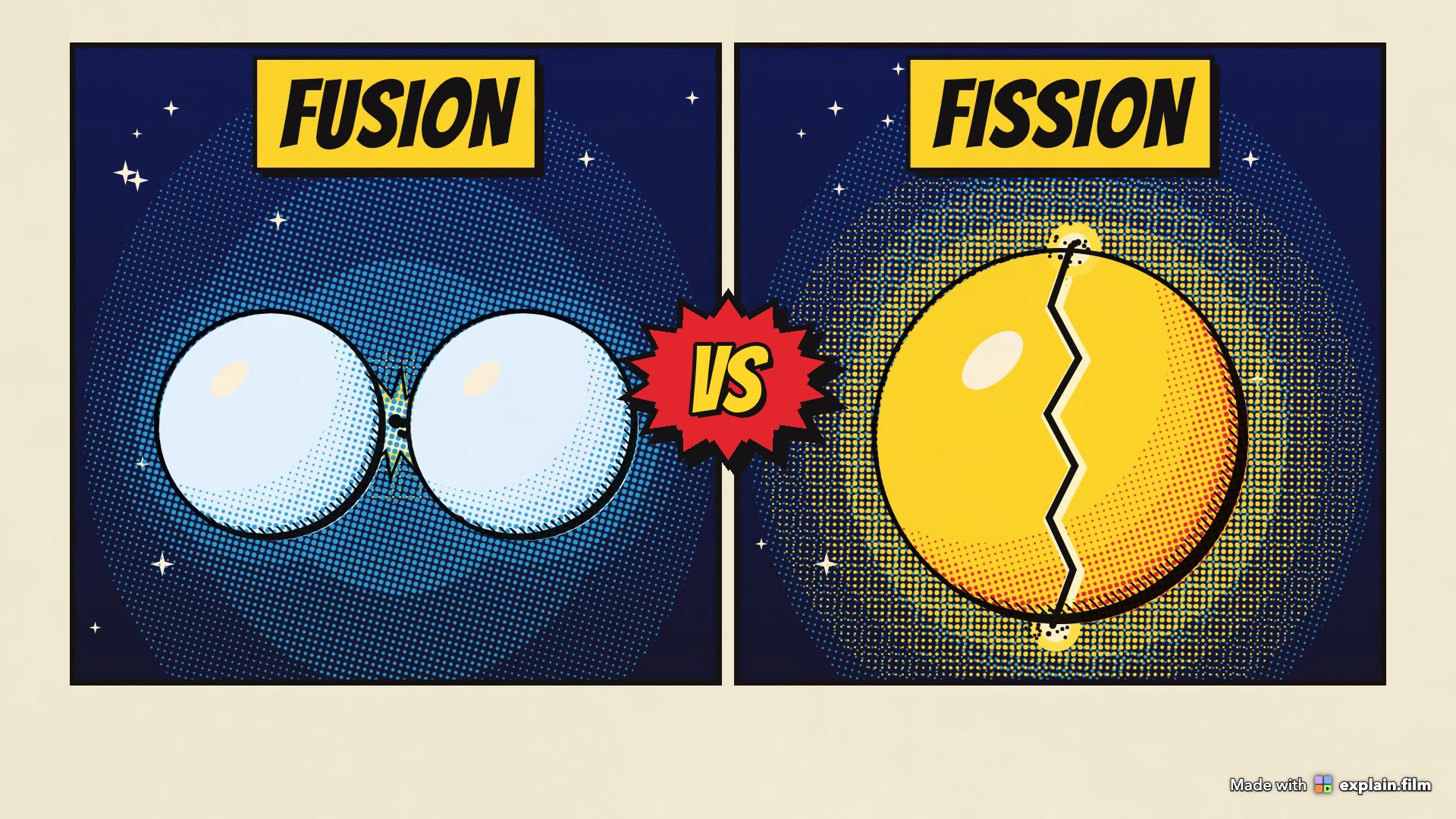
Nuclear fusion vs nuclear fission
Fission splits a heavy nucleus, fusion joins light ones: the approved cosmic-comic Short, re-laid out for a 16:9 page.
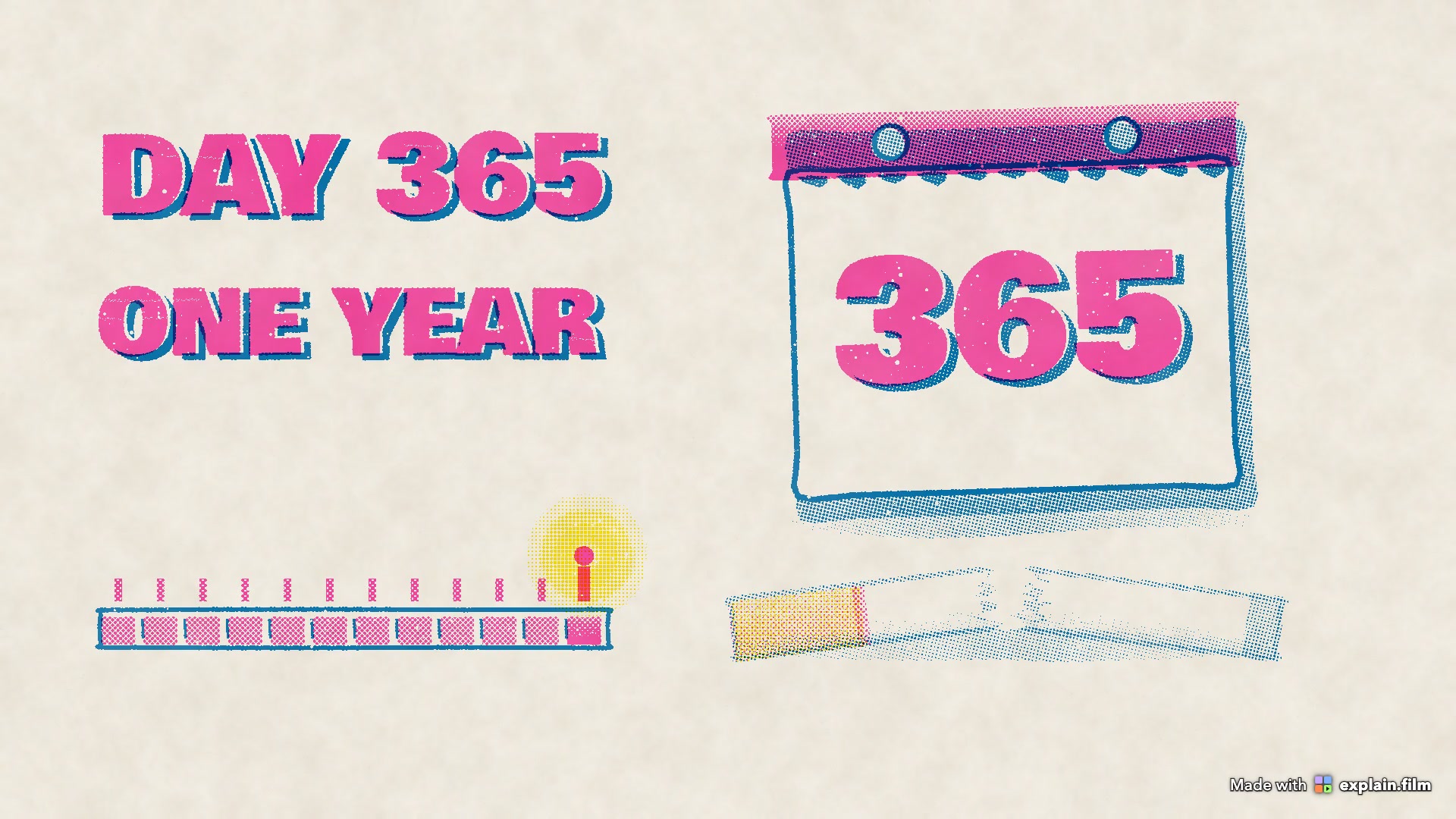
What happens 1 year after you quit smoking?
One year without cigarettes: your added heart risk is already about half a smoker's, and still falling.
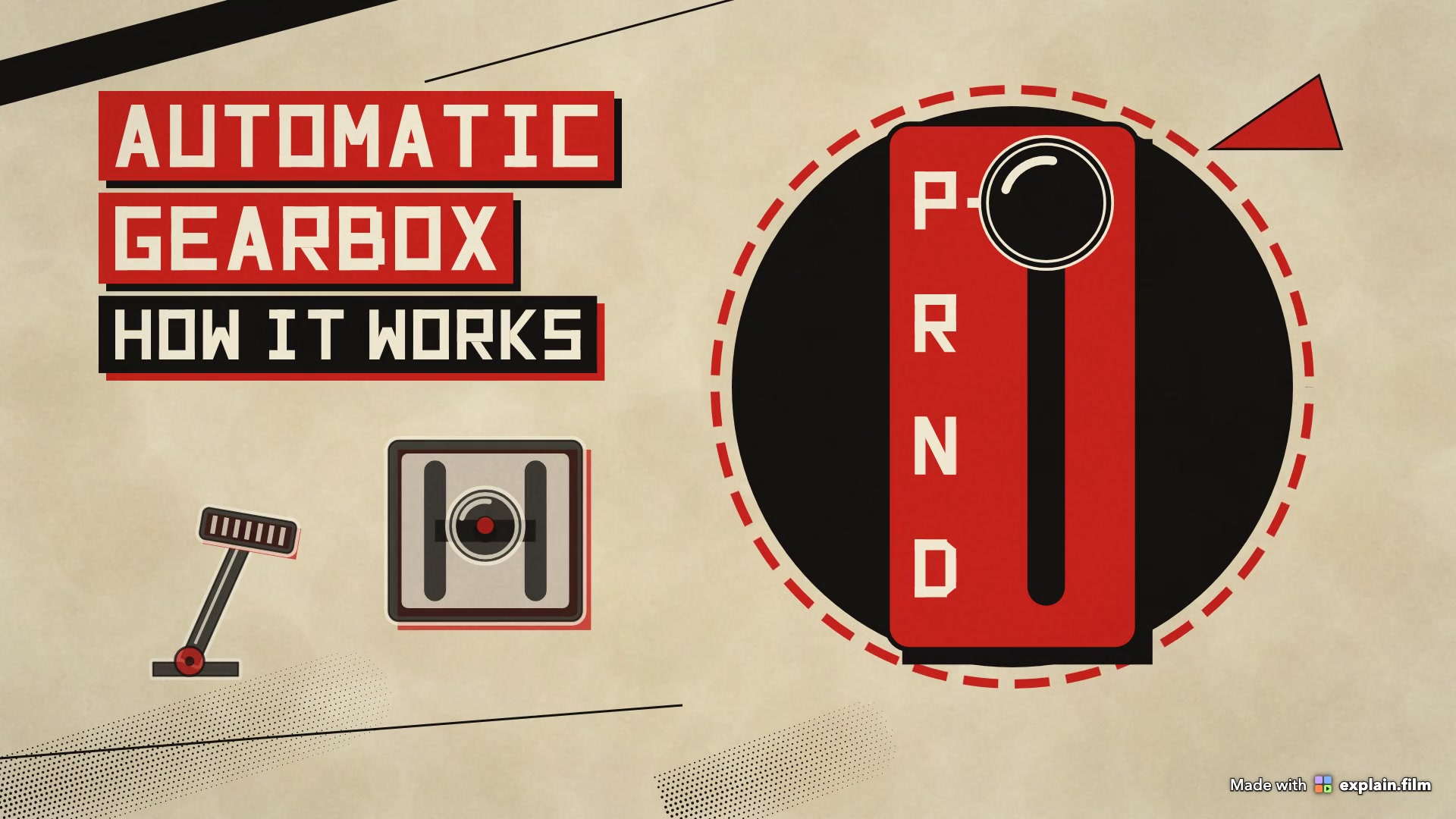
How does an automatic gearbox work?
An automatic does the clutch and the lever for you: oil couples the engine softly, planetary gears change speed by holding or locking parts, and a computer with oil pressure picks the moment.
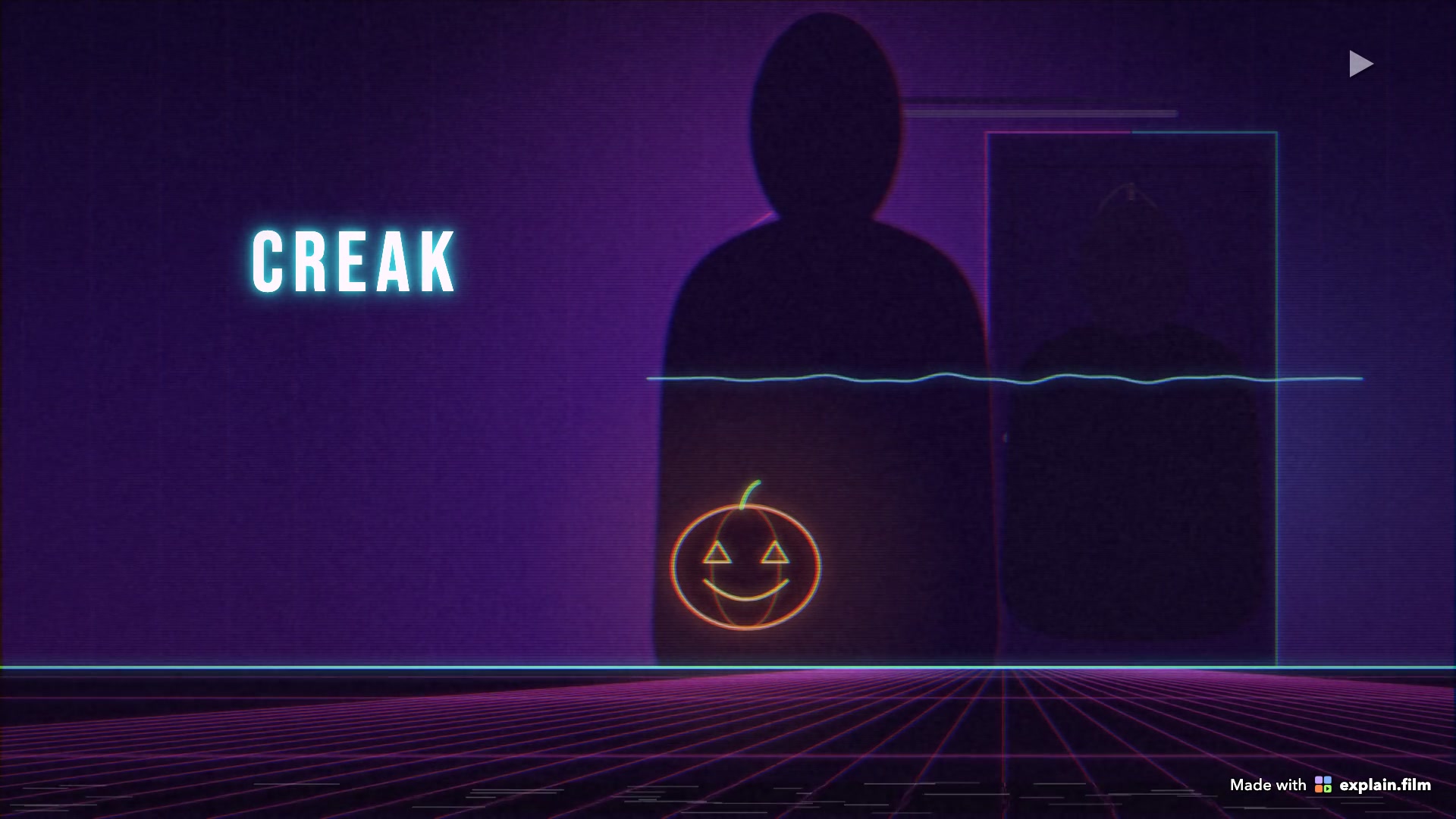
Why does being scared feel good?
A creak and a shadow set off the brain's fast alarm; the slower thinking part finds only a mask — and that swing from alarm to all clear, in the right dose, is the fun.
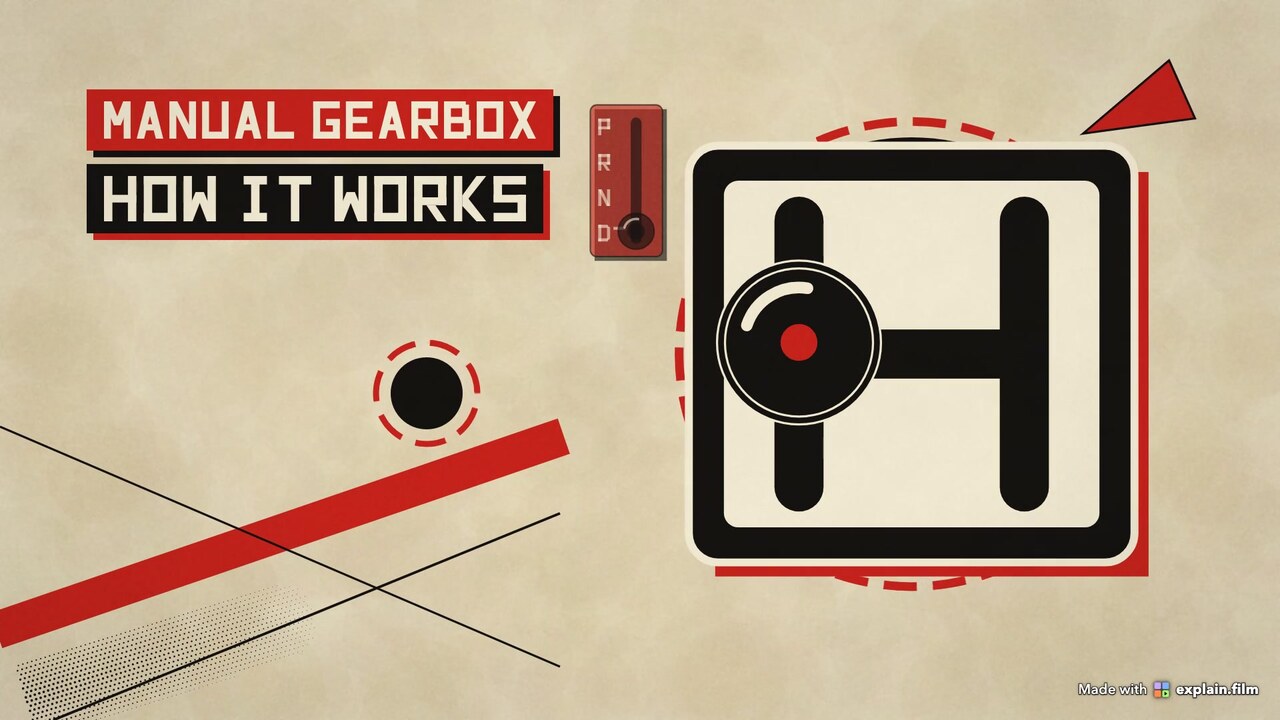
How does a manual transmission work?
A 1920s machine poster follows the power from engine through clutch and gearbox to the wheels: gears trade speed for pull, a sliding collar locks one gear, and the clutch lets go so the collar can move, then grips again.
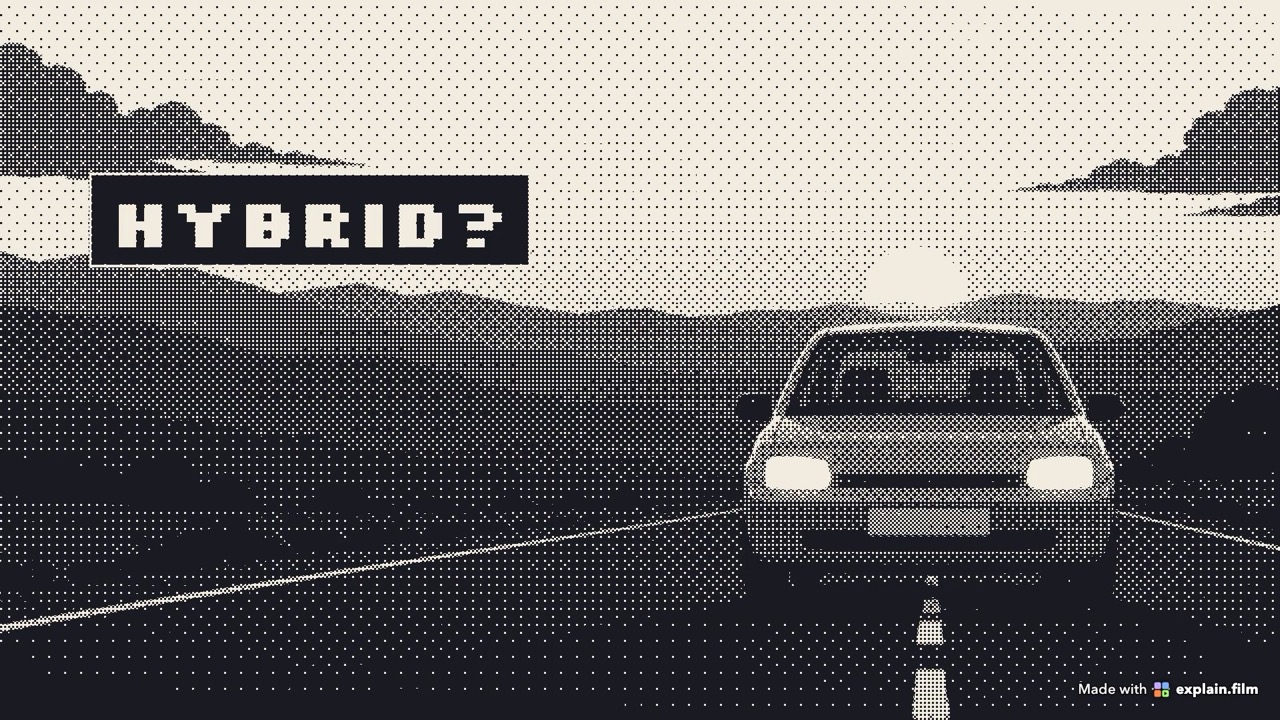
How does a hybrid car work?
A hybrid car adds an electric motor and a battery, and reuses some of the energy other cars waste.
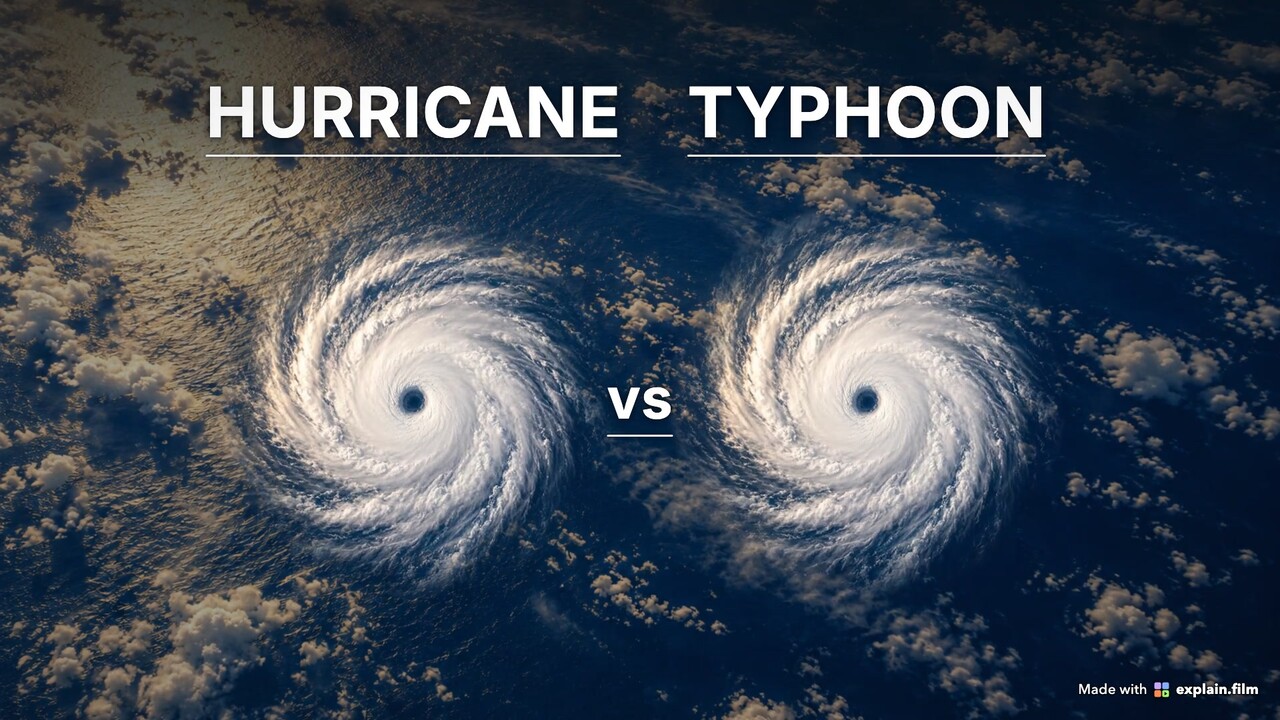
Hurricane vs typhoon: what's the difference?
Hurricanes, typhoons and cyclones are the same kind of storm; only the ocean it forms in changes the name.
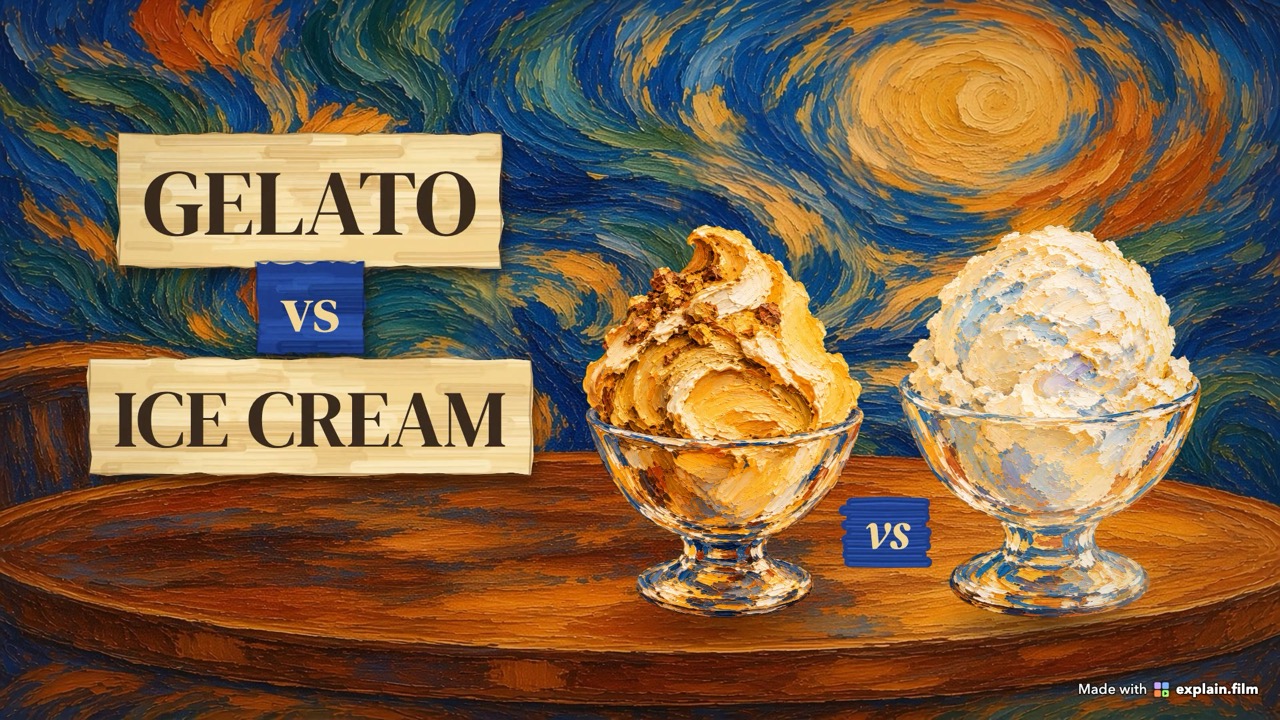
Gelato vs ice cream: what's the difference?
On one sunlit café table, two scoops that look alike turn out to be made, churned and served differently.
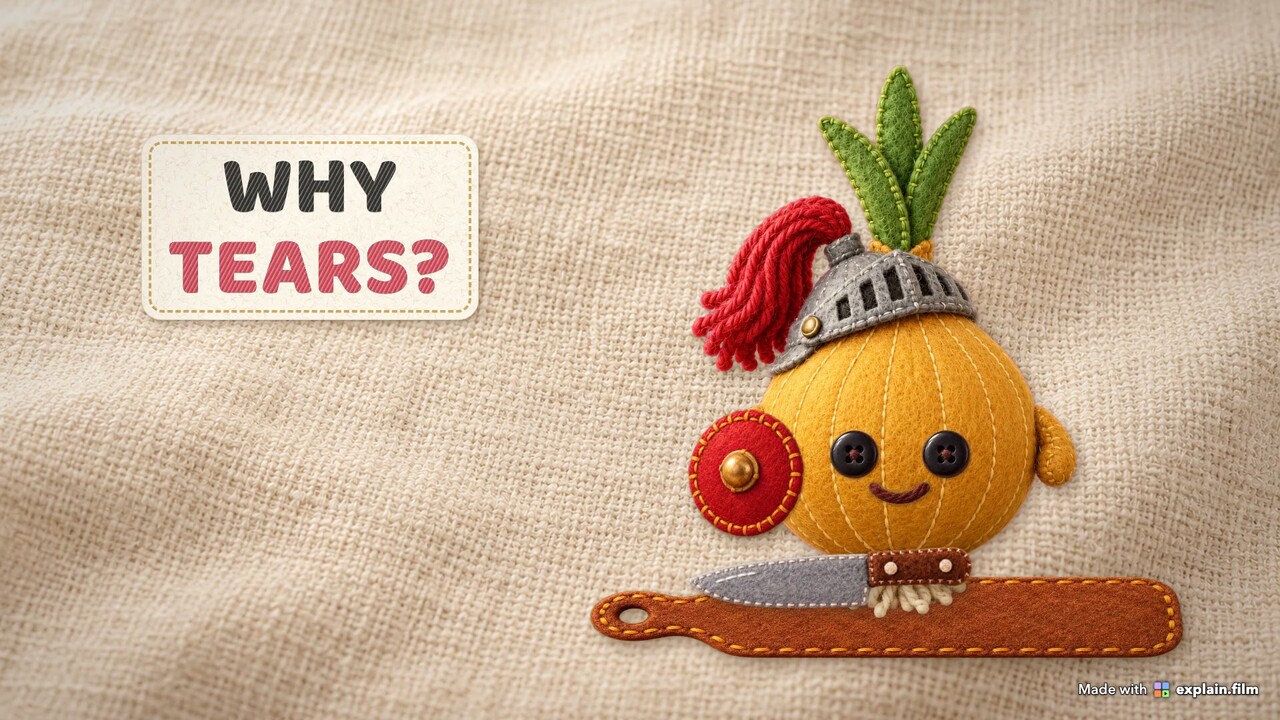
Why do onions make you cry?
A little felt Onion Guard explains that it isn't trying to make you cry — it's defending itself, and your tears are your eyes washing its stinging gas away.
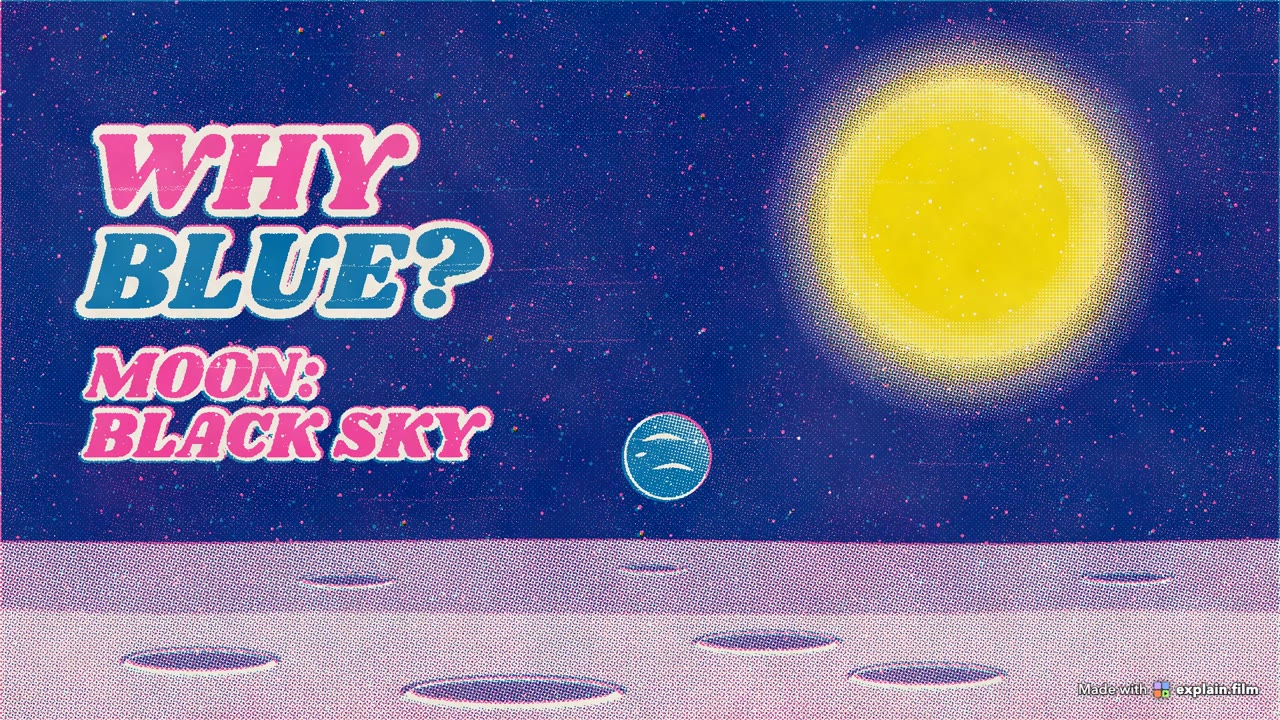
Why is the sky blue?
Under the same Sun, the Moon's noon sky is black and ours is blue: our air flings blue light at us from every direction, and at sunset so much is flung away that only red gets through.
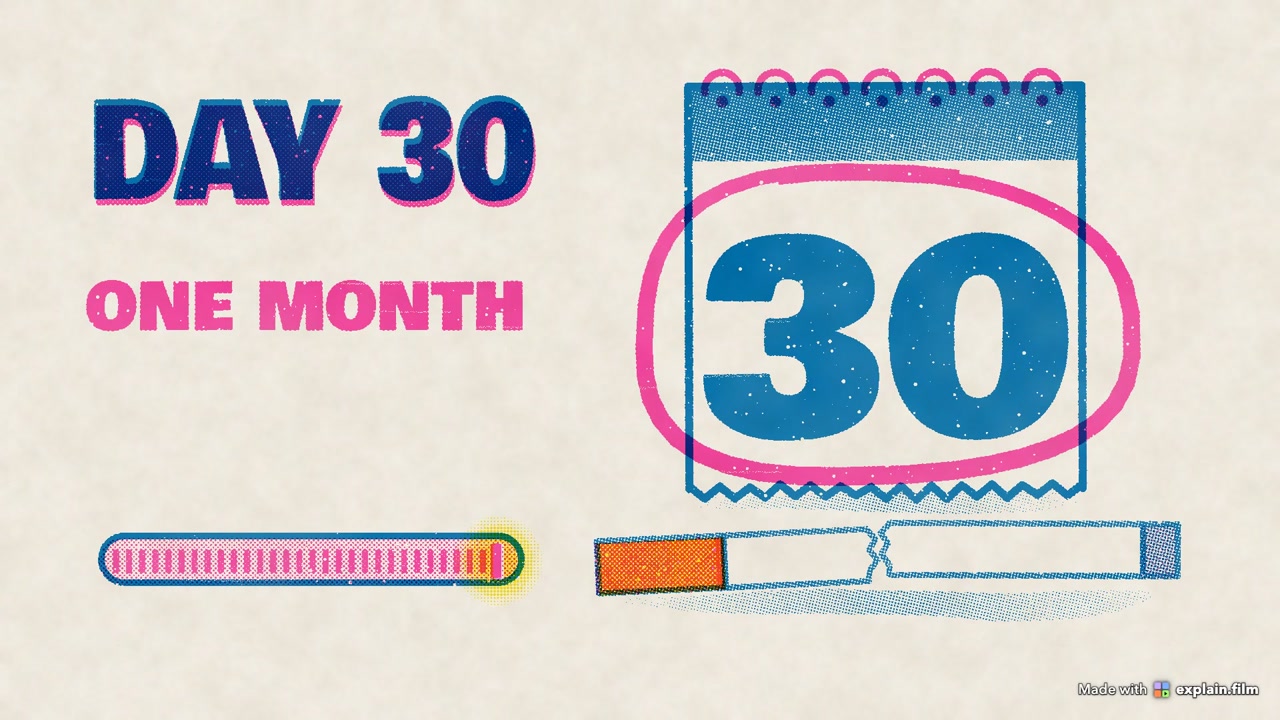
What happens 30 days after you quit smoking?
One month without cigarettes in four quick beats and a verdict: a cough can be your lungs cleaning house.
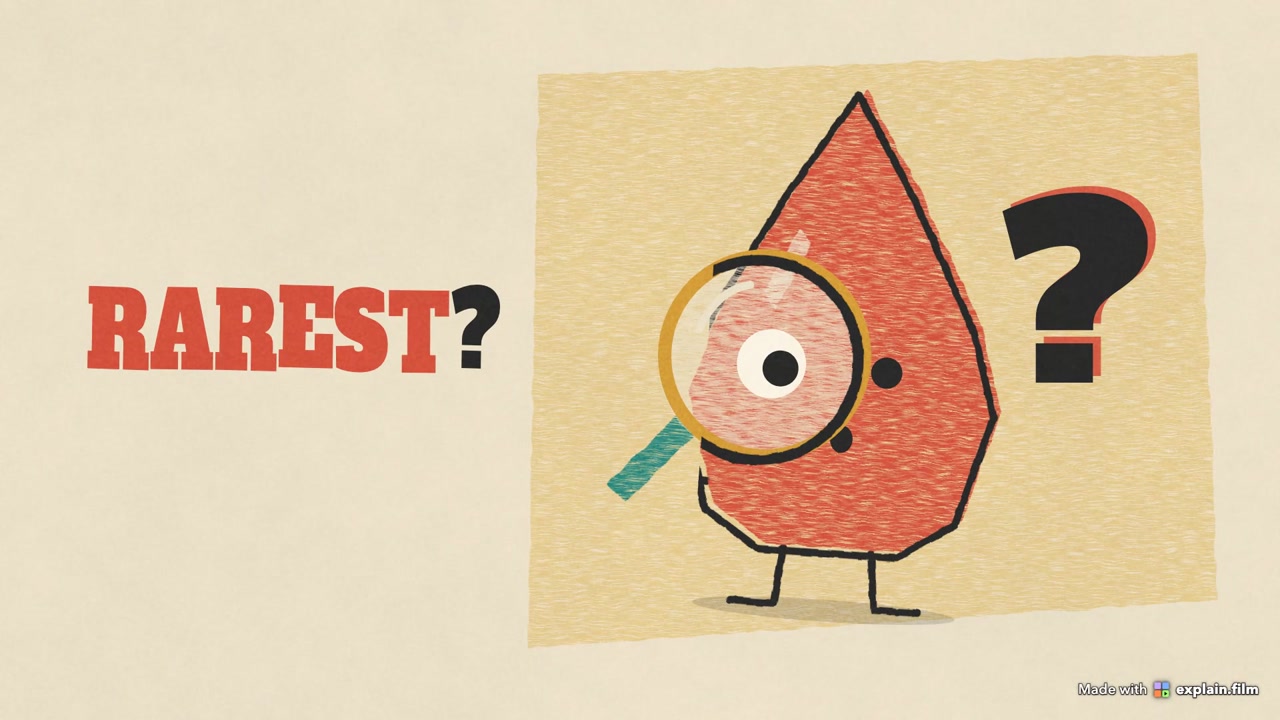
What is the rarest blood type?
AB negative is the rarest of the eight main types in the US, but the world's rarest blood, Rh-null or golden blood, sits beyond the eight; rare blood is hard to match, and rarity depends on ancestry.
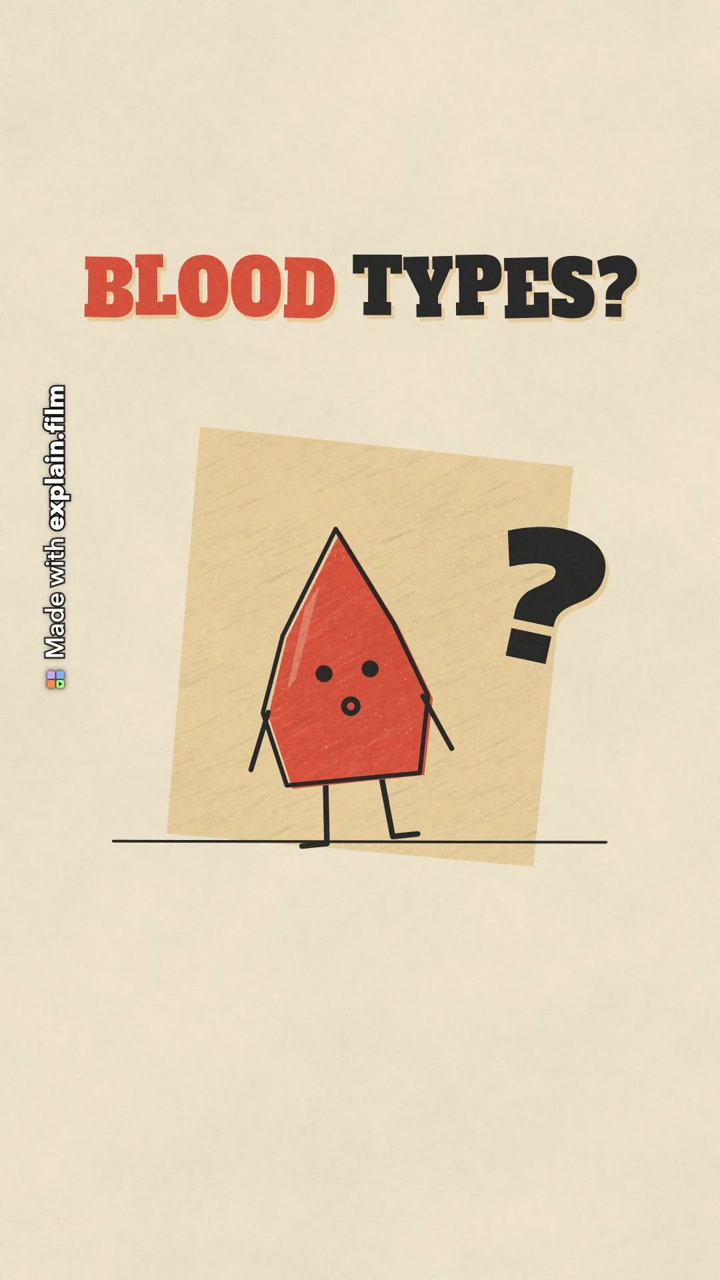
What are the blood types?
A friendly tomato blood drop shows that a blood type is a badge of tiny markers on your red cells: a letter for which markers, a plus or minus for one more — and why donated blood must match.
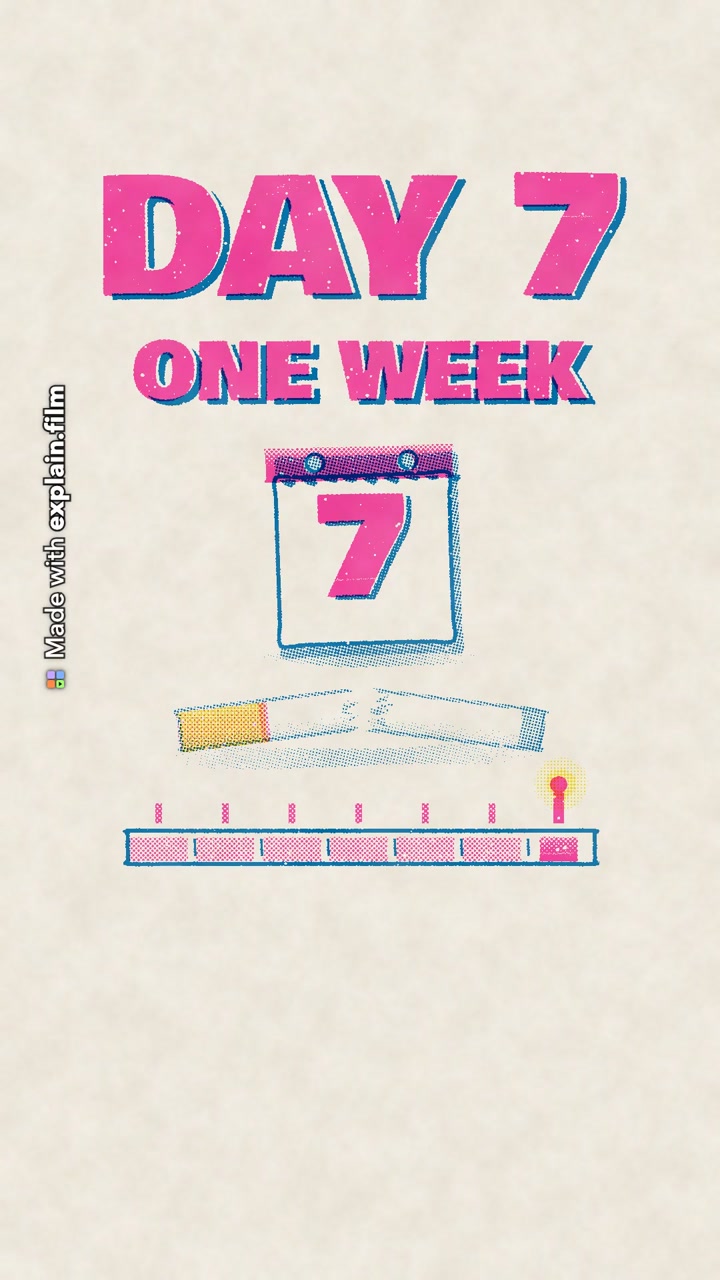
What happens on day seven after your last cigarette?
Part 3 of a 3-part quit series: one week without cigarettes in three quick beats (withdrawal easing, cravings that pass within minutes, the habit as the harder part), then the verdict: less detox, more unlearning.
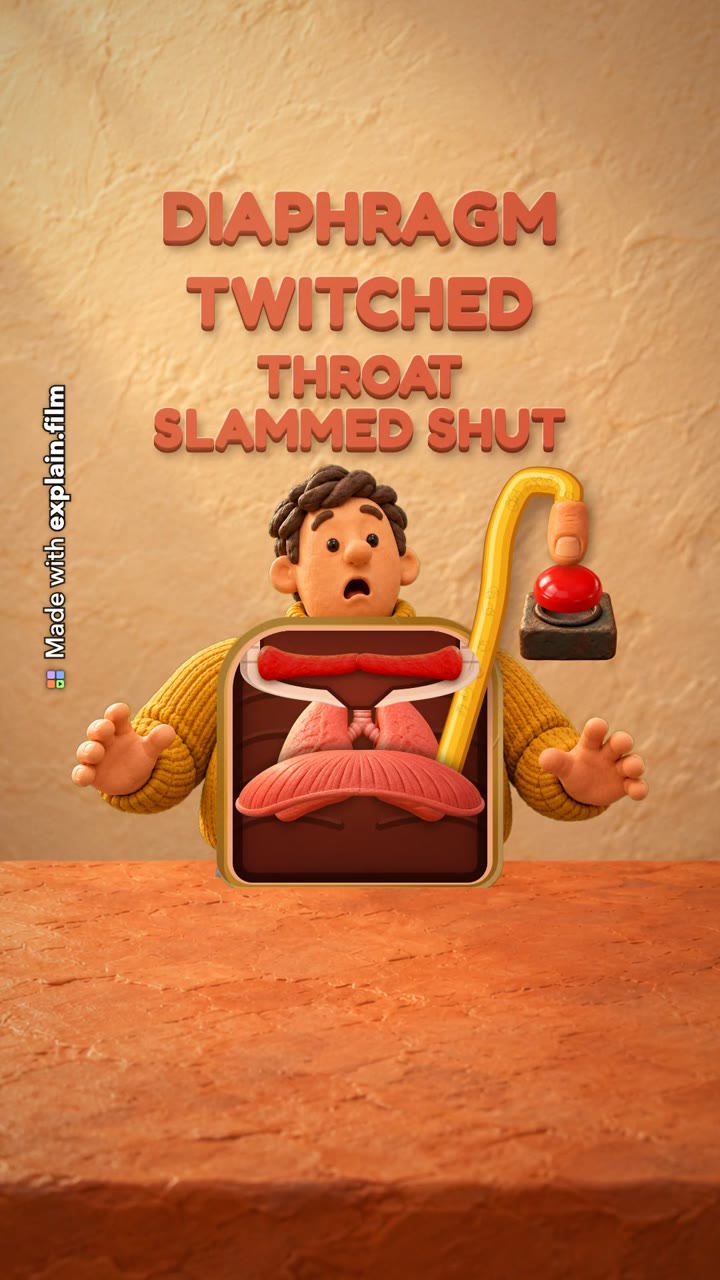
What causes hiccups?
A claymation whodunit: the culprit behind every hiccup is one nerve reflex pressing the same button — the diaphragm jerks, the vocal cords snap shut, hic.
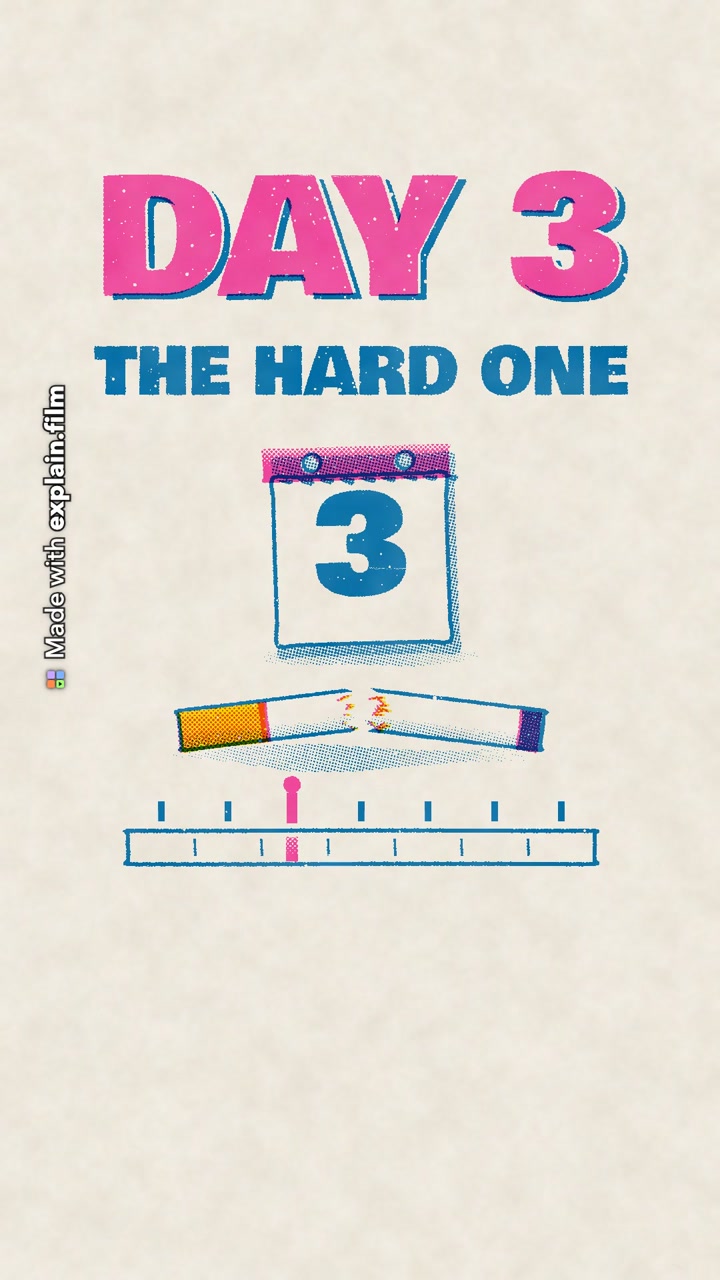
What happens on day three after your last cigarette?
Part 2 of a 3-part quit series: day three without cigarettes in three quick beats (withdrawal peaks, the brain readjusts, taste and smell start coming back), then the verdict: the worst stretch, and it doesn't last.
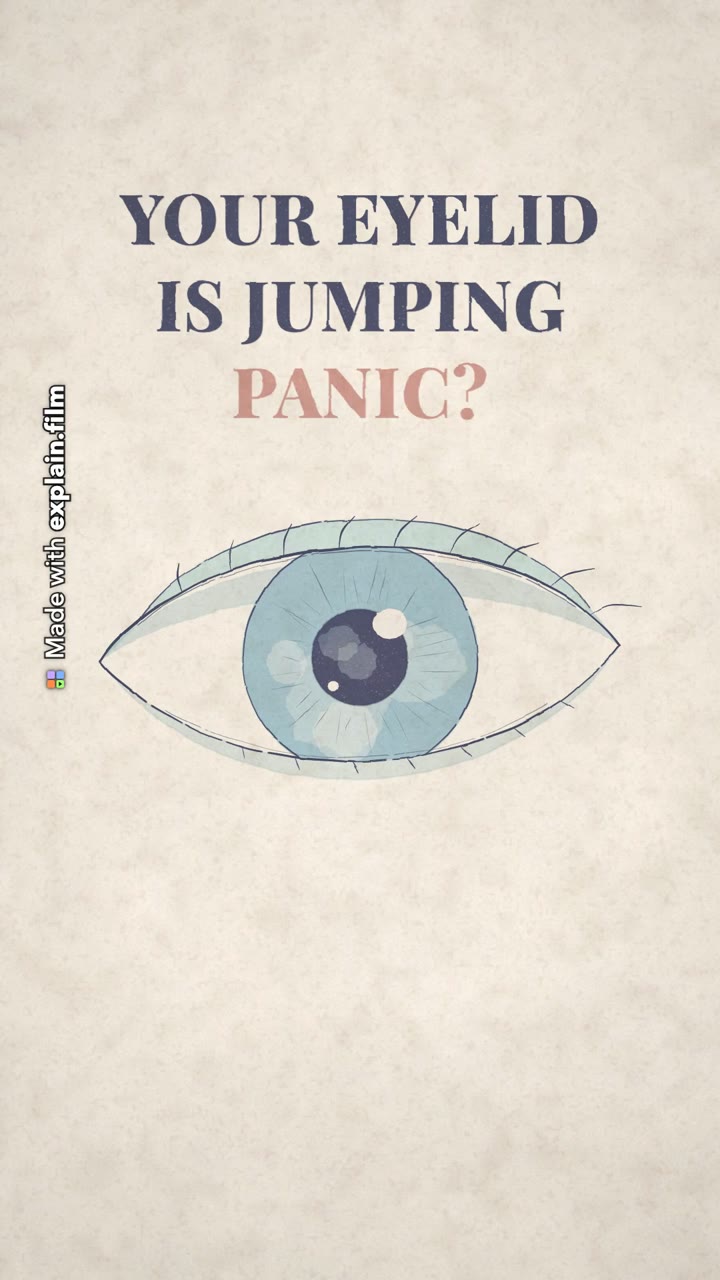
Is an eye twitch dangerous?
A calm 25-second watercolour triage: what an eyelid twitch usually is, what sets it off, when it passes, and the four signs that mean see a doctor.
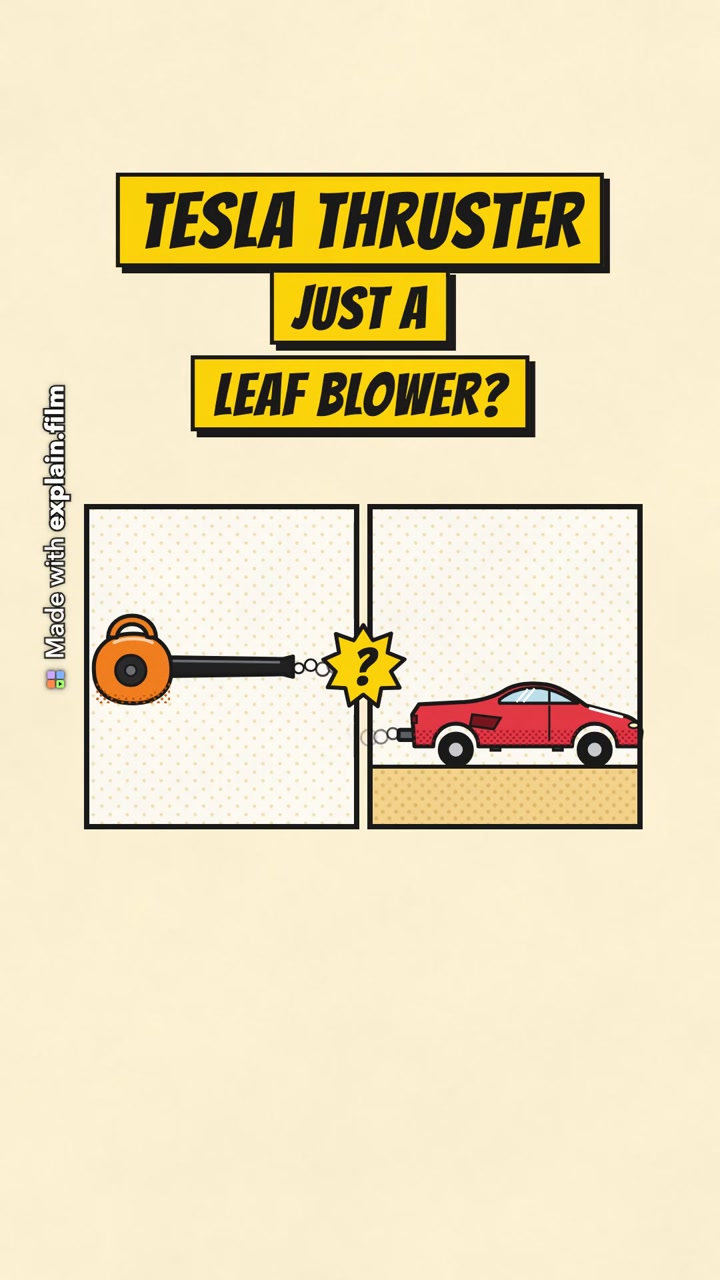
Is a Tesla thruster just a leaf blower?
A leaf blower, a released balloon and Tesla's new Roadster all throw air one way to get pushed the other: same physics, much bigger puff.
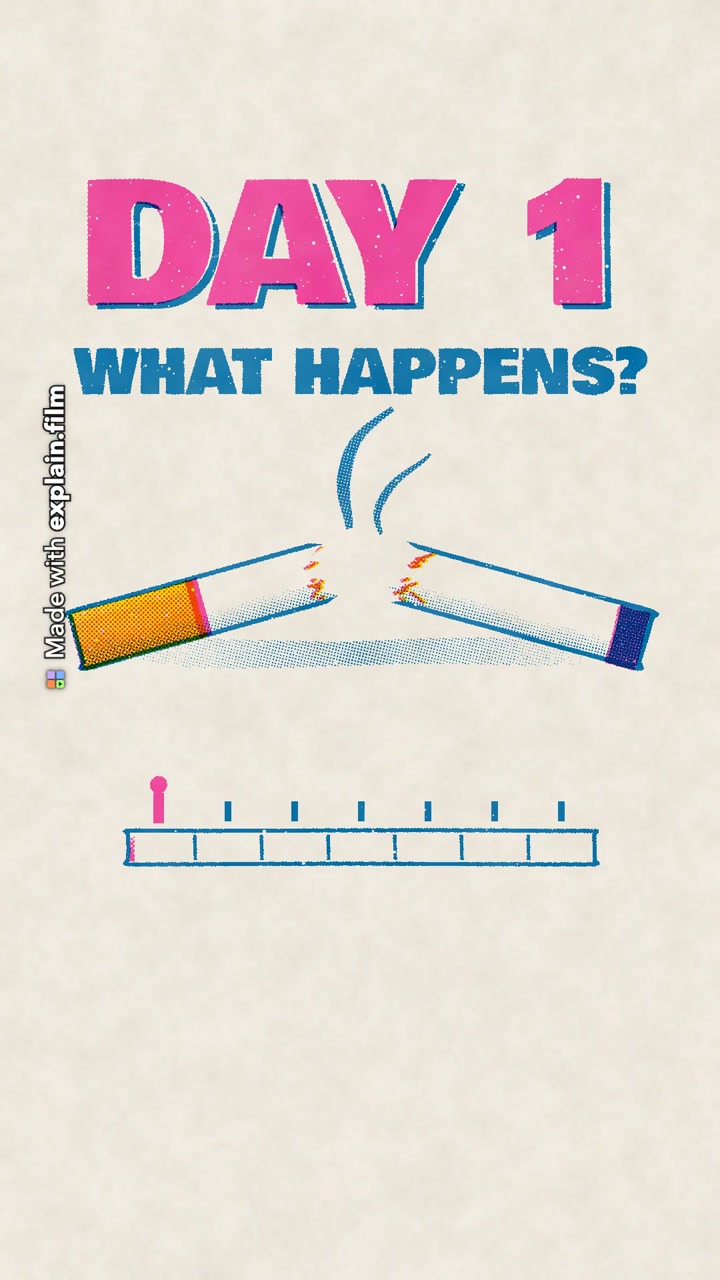
What happens on day one after your last cigarette?
Day one without cigarettes in three quick beats (the heart slows, a craving rolls in, the nicotine drains away), then the verdict: your body is clearing the desk.
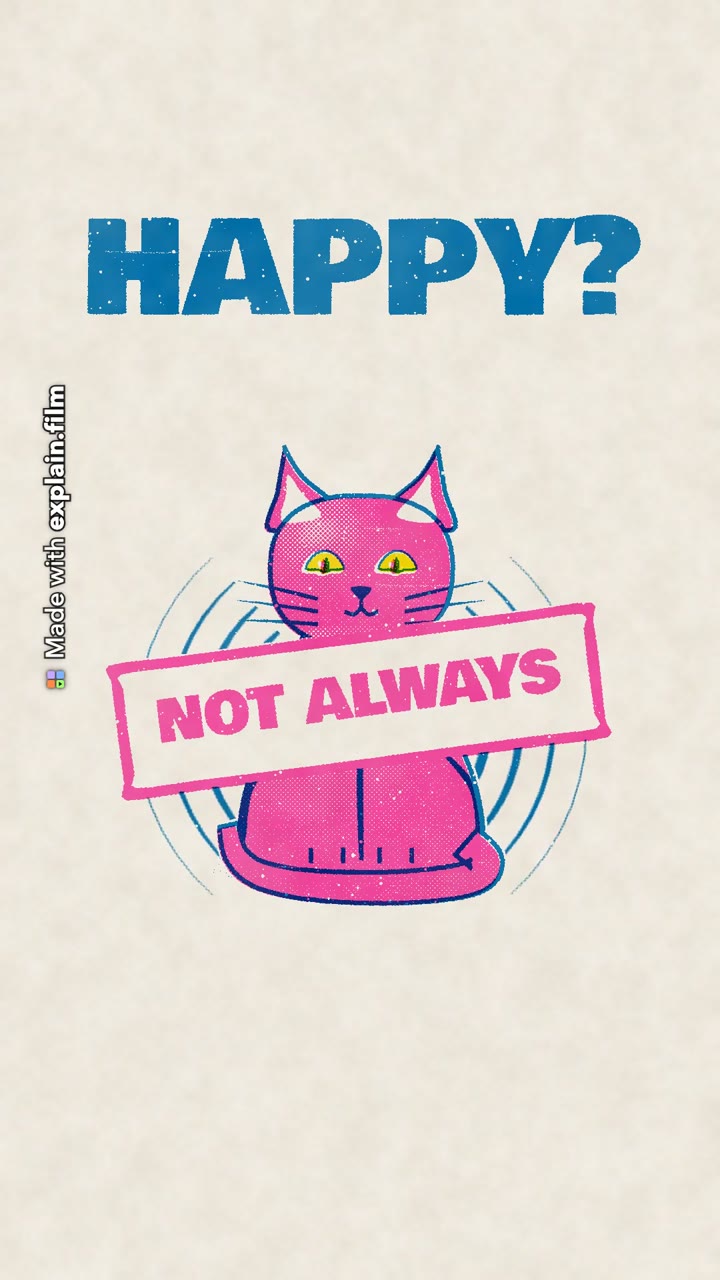
Why do cats purr?
A purr isn't a mood readout: cats purr content, stressed, hurt or giving birth — it's the voice box buzzing about 25 times a second, and a hungry cat can hide a cry in it.
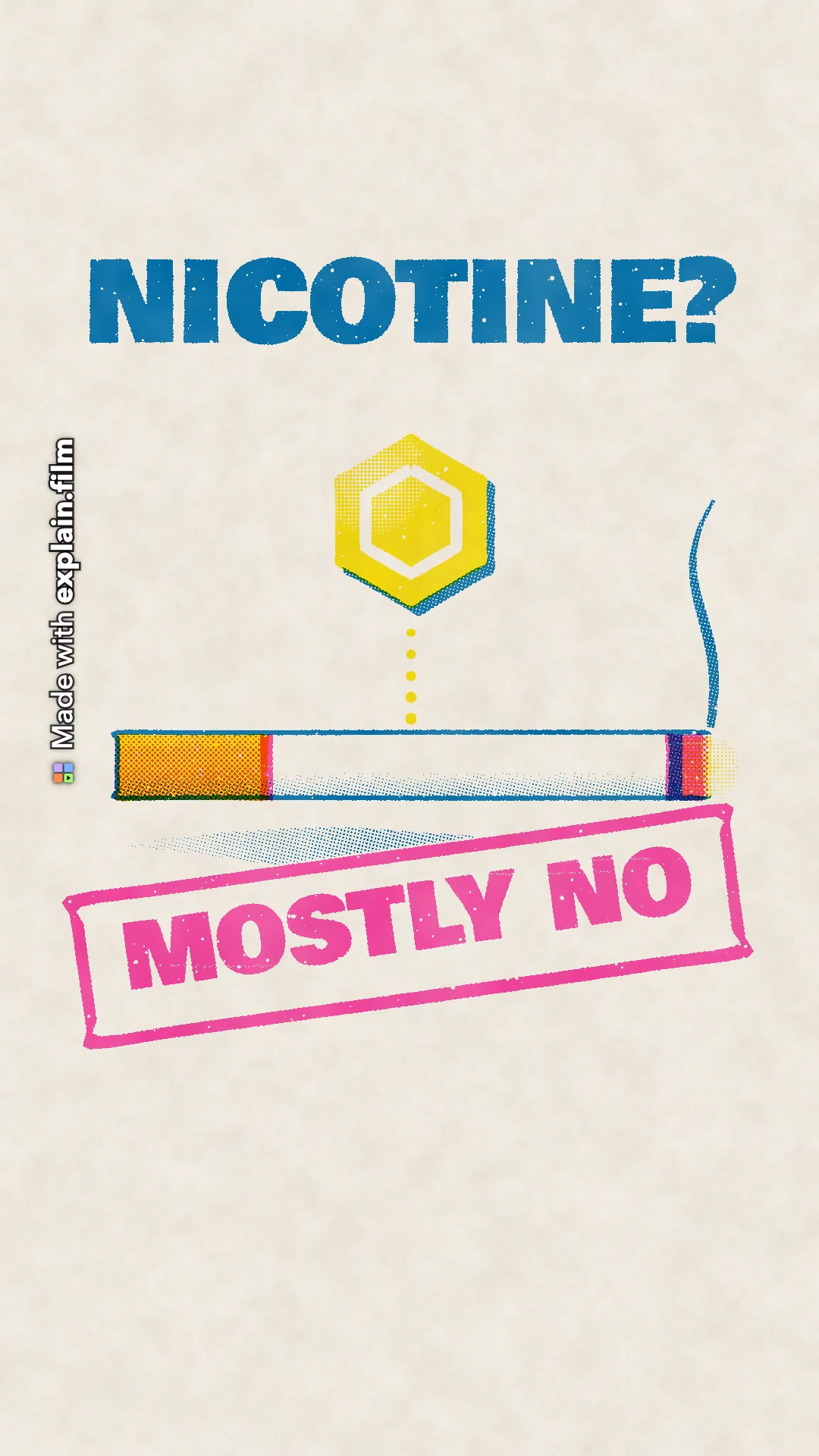
Is nicotine itself the dangerous part?
Is nicotine the dangerous part of smoking? Mostly no: most of the harm comes from the smoke. Nicotine still hooks you and pushes your heart.
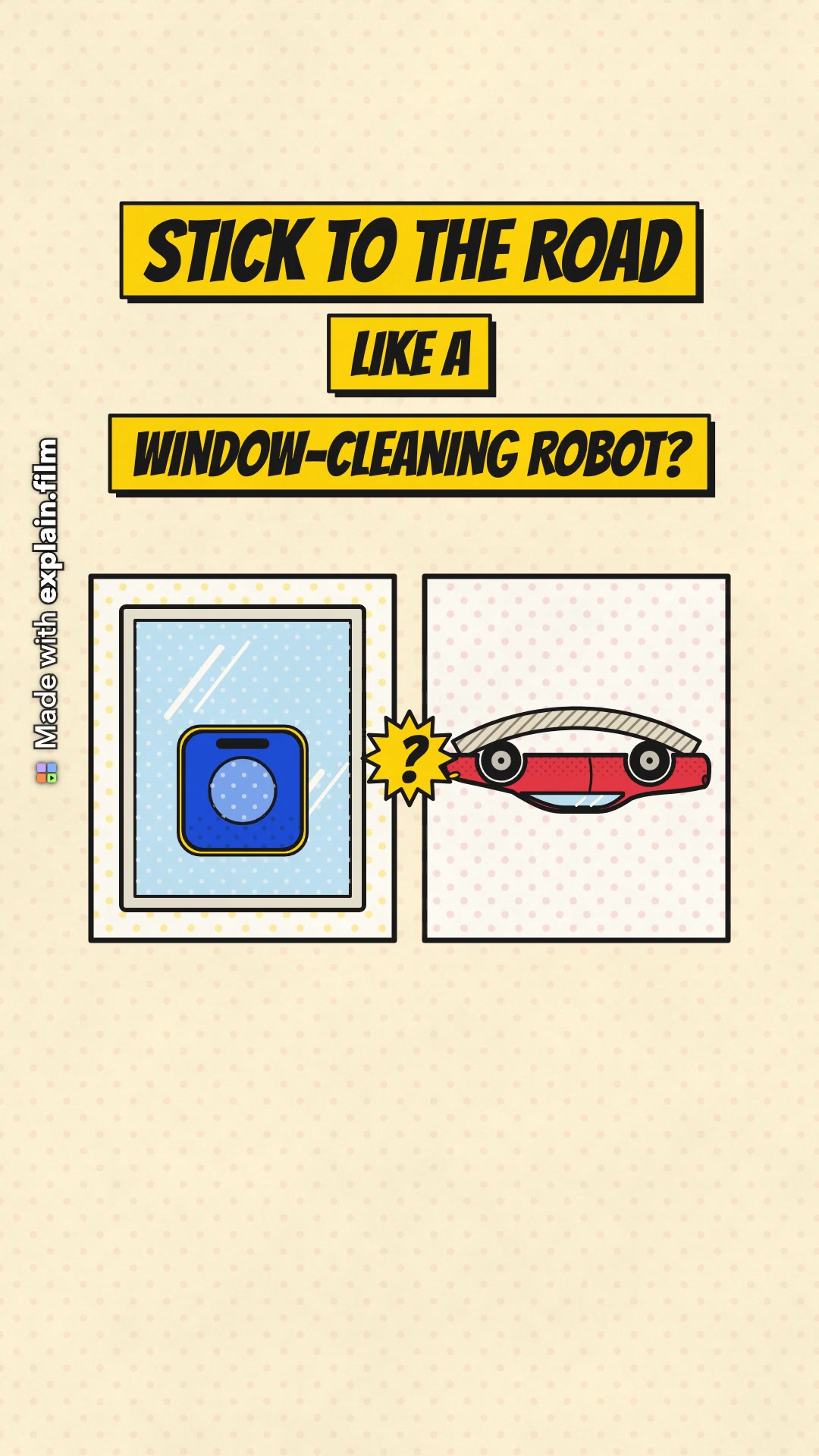
Does a Tesla stick to the road like a window-cleaning robot?
Yes: a fan empties a sealed gap and the outside air presses the robot onto glass and, Tesla says, the Roadster onto the road, even upside down.
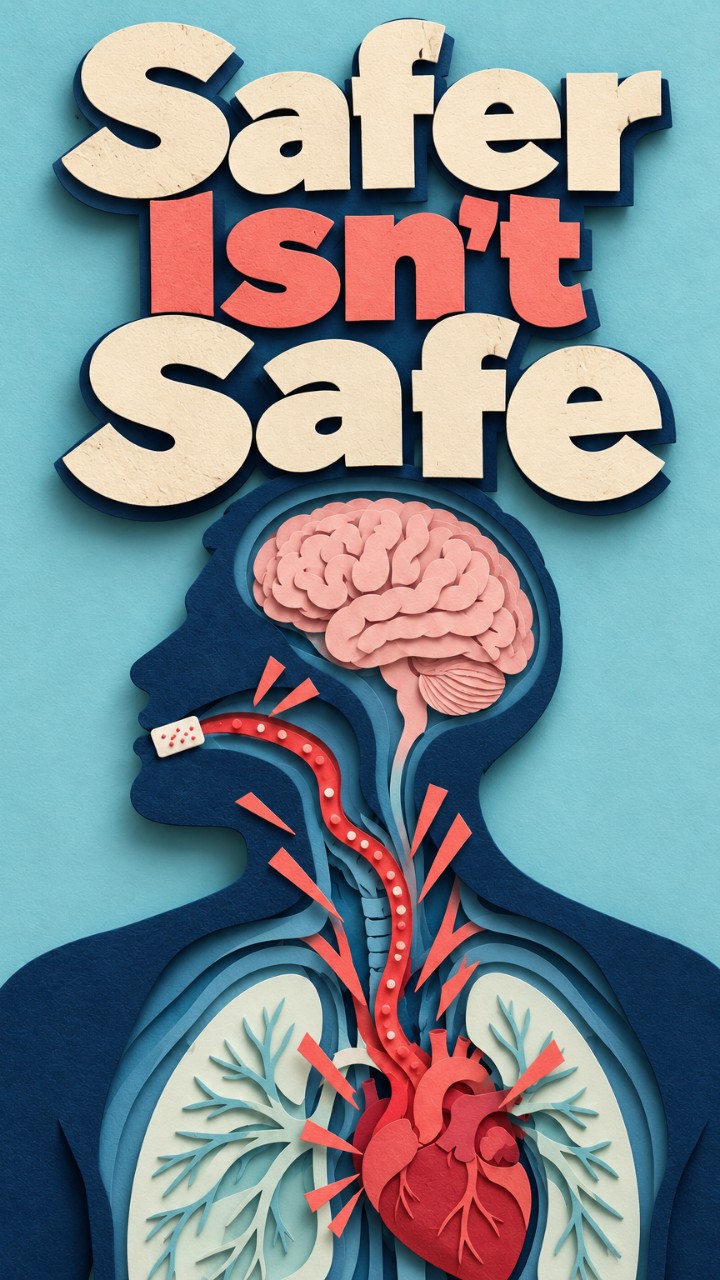
Are nicotine pouches safer than smoking?
One nicotine pouch, followed stop by stop through the body, shows why tobacco-free doesn't mean harmless.
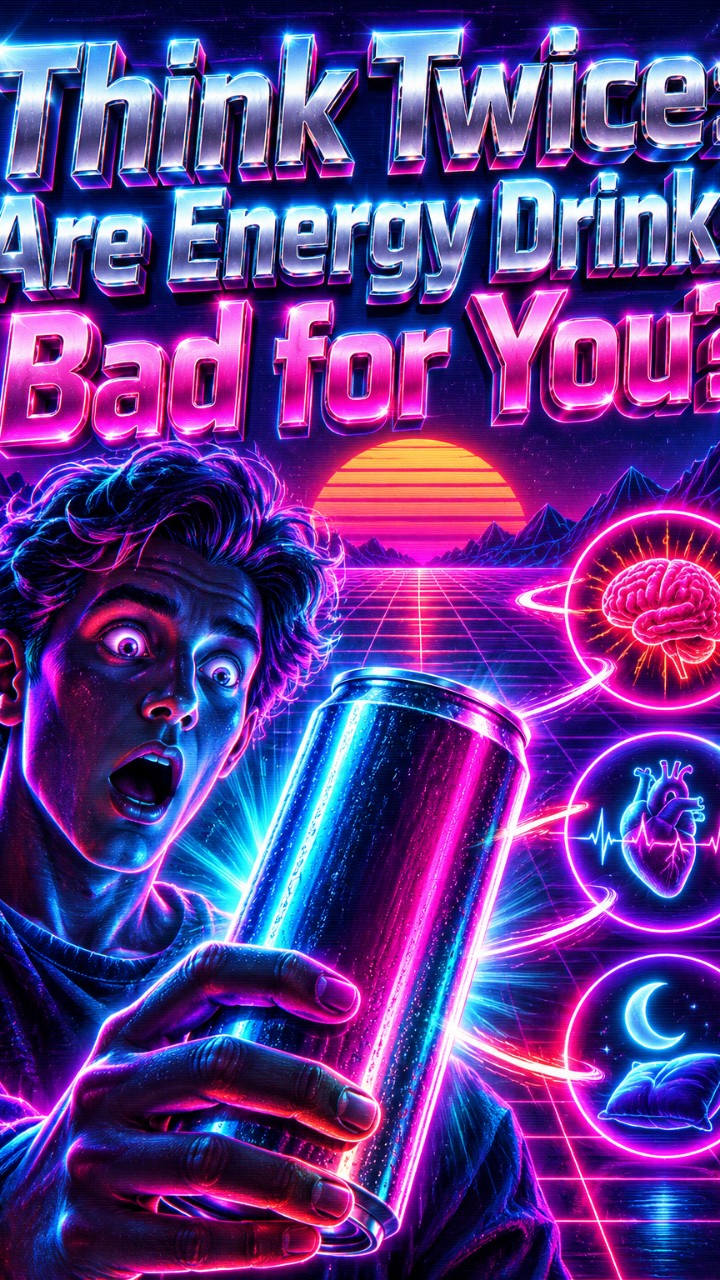
Are energy drinks bad for you?
Energy drinks aren't poison — a neon countdown of the three ways people drink them wrong.
Work and business
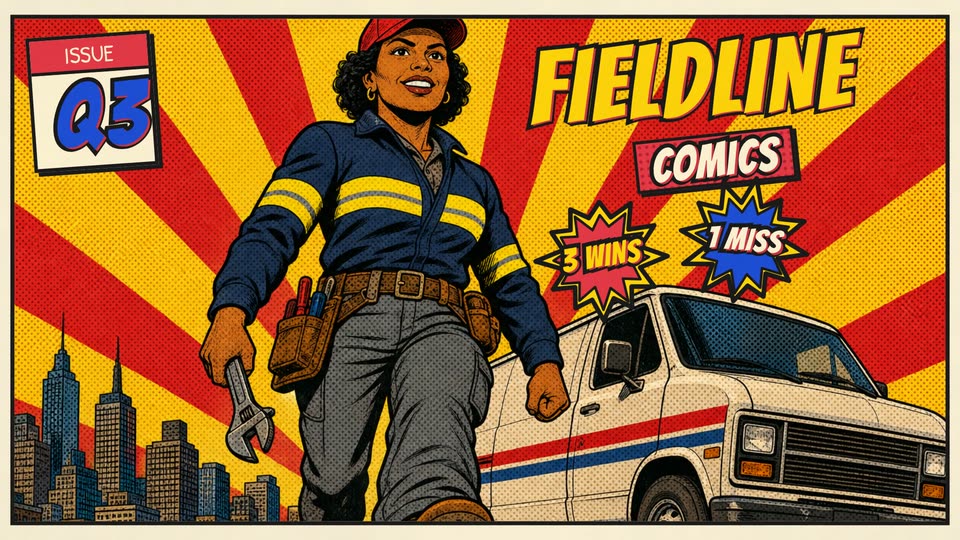
Fieldline Comics #Q3: The Quarter in Panels
A 34-second quarterly recap for a company all-hands, drawn as a pop comic book. Three wins, one miss and one bet for next quarter, each in its own panel, ending on “On to Q4.”
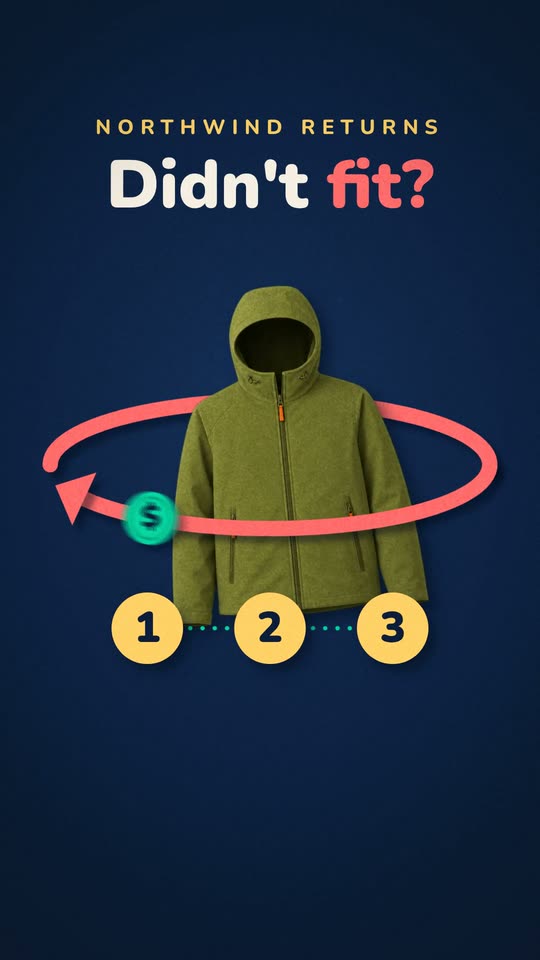
Three Steps Back
A 33-second vertical how-to in bold flat vector: returning an order from Northwind Outfitters in three steps, from Start a return to a QR code to any pickup point, with the refund in three days.
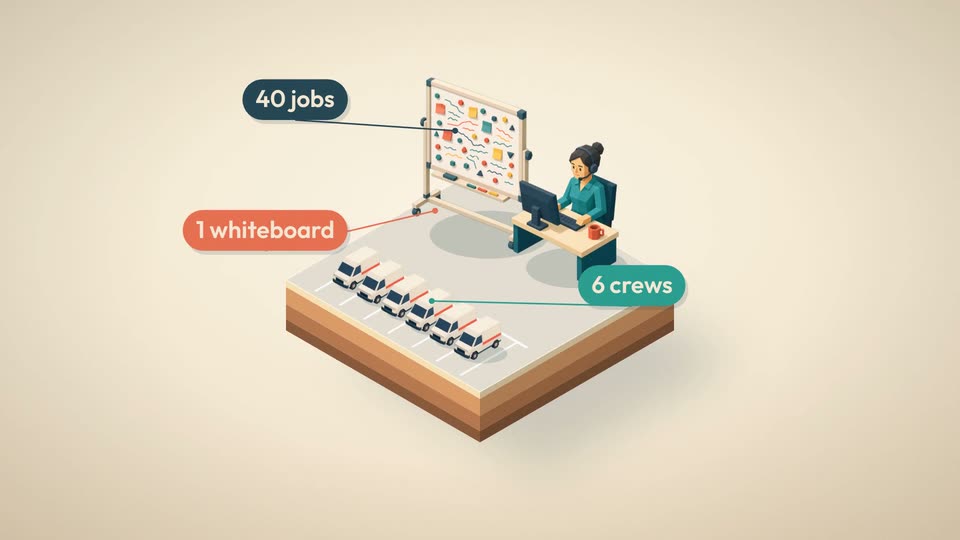
Fieldline — Take the whiteboard off the wall
A 47-second seed-round pitch film in isometric low-poly. One dispatcher, forty jobs and a whiteboard; a burst pipe breaks the plan; Fieldline re-plans every crew in seconds. It ends on the ask: $3M to launch in ten cities.
Say it once
A 55-second product promo in kinetic typography, made by explain.film about itself. Bold type on flat colour carries the pitch: one sentence in, a finished film out.
Tell Me More
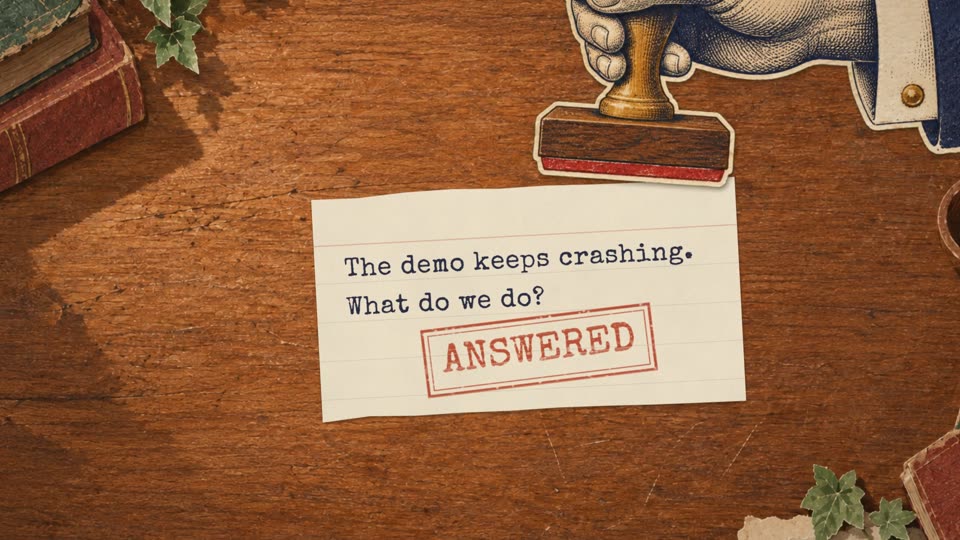
A 49-second leadership training film in an editorial collage style. It shows why answering every question fast ends the conversation, and how asking first brings the bad news early, while it is still small.
Rest Is Part of the Job
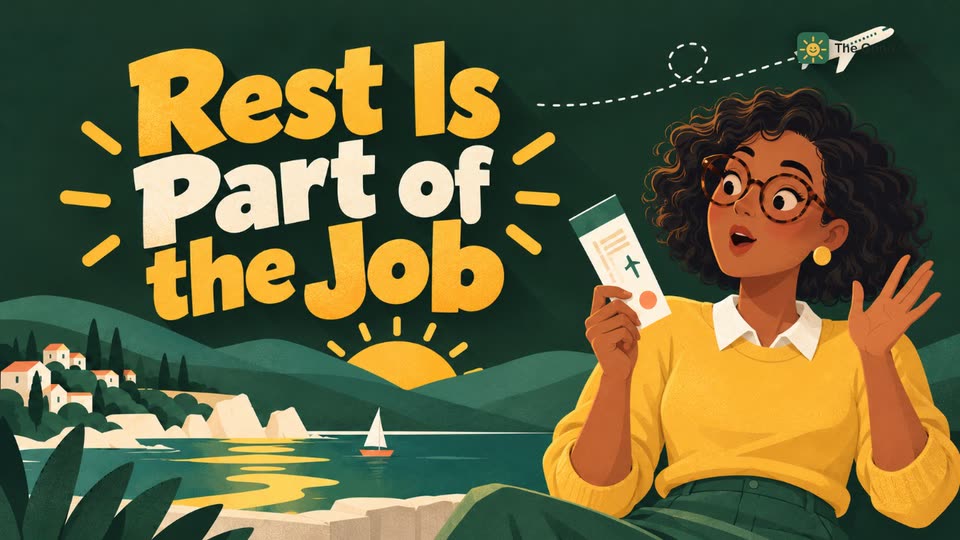
A 54-second internal HR explainer in bold flat vector for The Good Corp, a made-up company: how to book time off in the right order, from a request in GoodTime to approval, and only then the flights.
What Is Total Compensation?
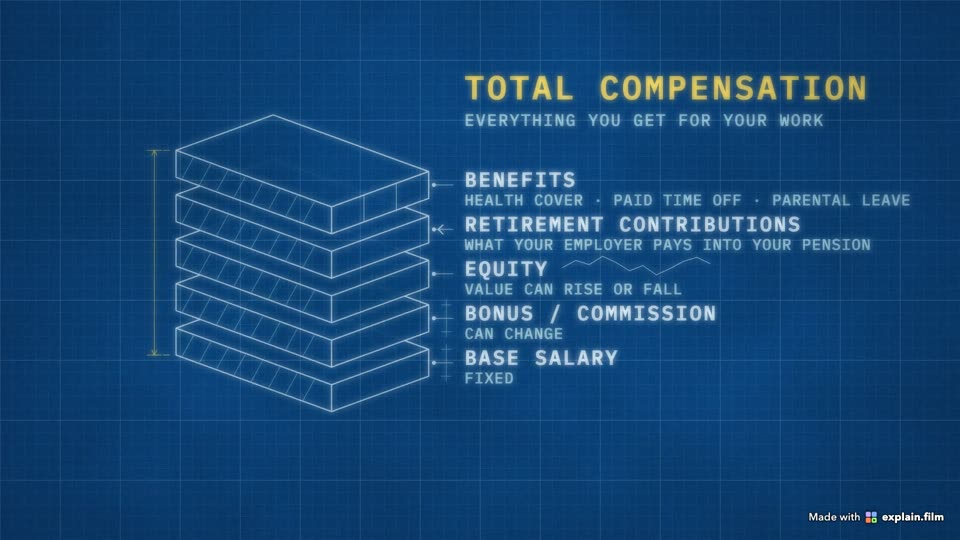
A 56-second blueprint explainer: two job offers, and why the higher salary is not always the better one. It takes an offer apart into five layers, from base salary to benefits, and shows how to compare them.
Animals
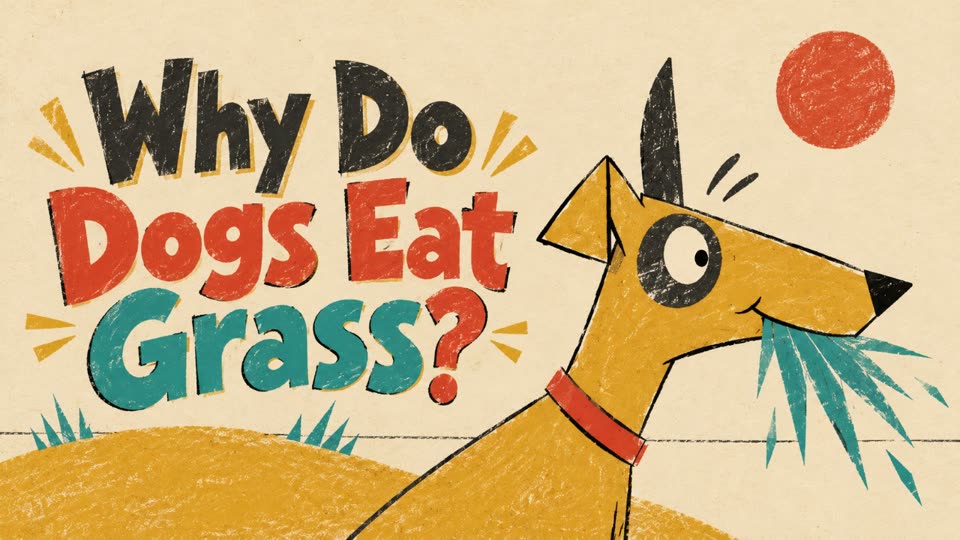
Why Do Dogs Eat Grass?
A 51-second animal explainer in a mid-century cartoon style. A survey of 1,500 dog owners shows most grass-eating dogs are not sick, and the best theory is a worm-sweeping habit handed down from wolves.
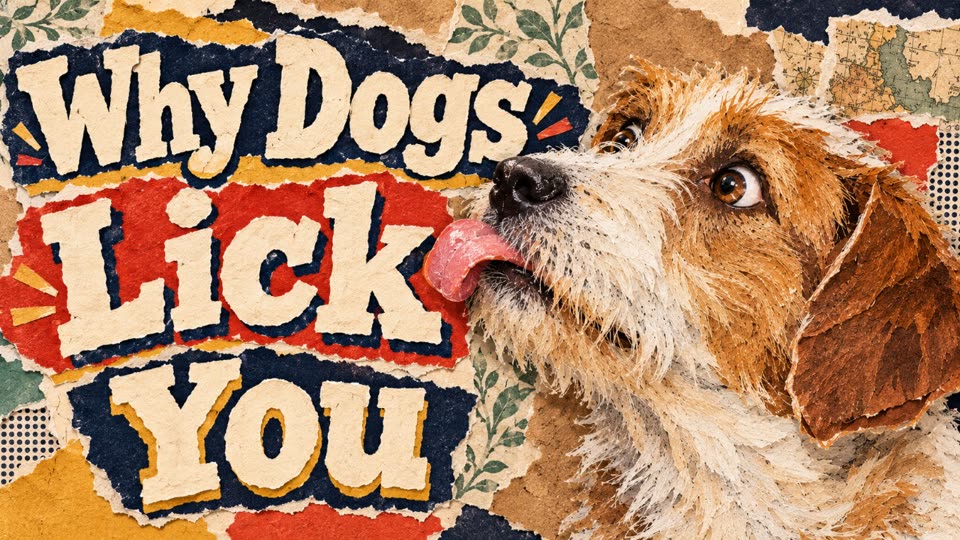
Why Do Dogs Lick You?
A 49-second editorial-collage explainer: a dog’s lick began as a wolf pup asking an adult for dinner, a puppy habit dogs never grew out of and turned on us.
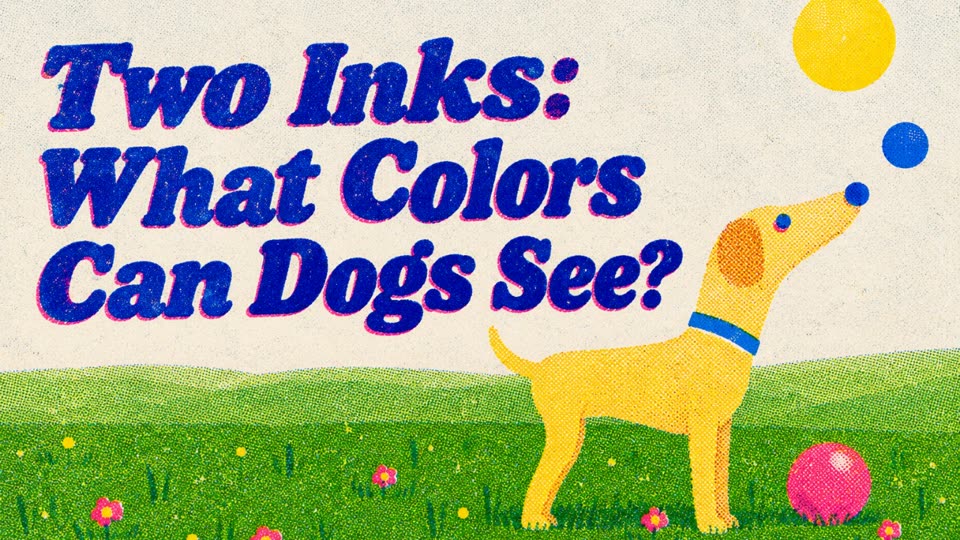
What Colors Can Dogs See?
A 49-second Risograph explainer: our eyes print the world in three inks, a dog’s in two, blue and yellow, which is why a red ball vanishes on green grass.
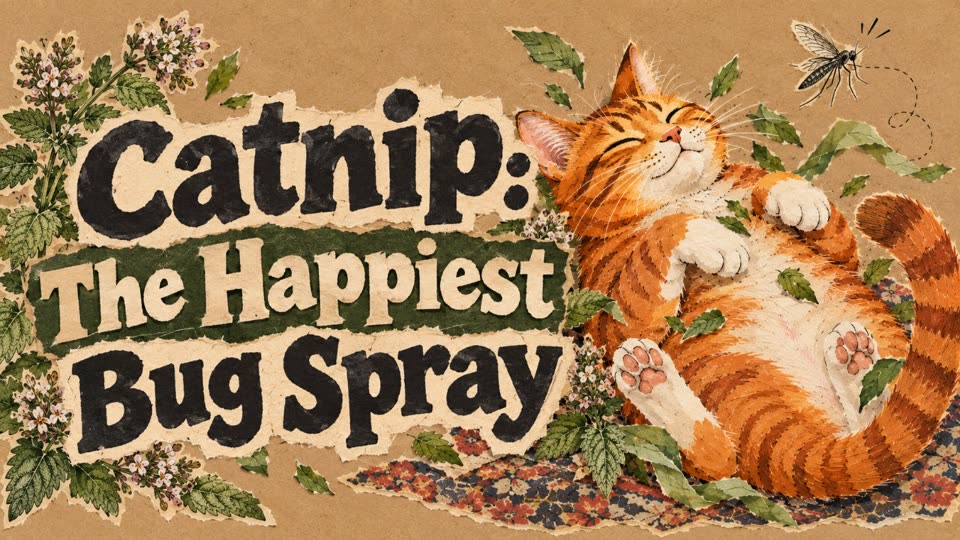
What Is Catnip, and What Does It Do to Cats?
A 49-second collage explainer: catnip is a mint whose scent sets off a cat’s own endorphins, and the blissed-out roll may really be insect repellent the cat paints onto its fur.
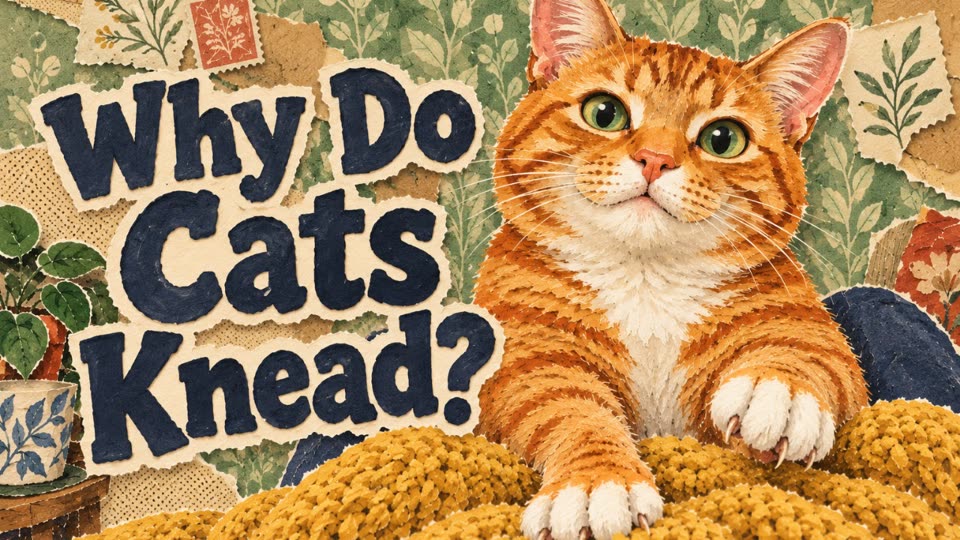
Why Do Cats Knead?
A 49-second collage explainer: kneading is a newborn kitten’s milk reflex that never switched off, so a soft lap brings back the feeling of its mother, and scent glands in the paws mark it as claimed.
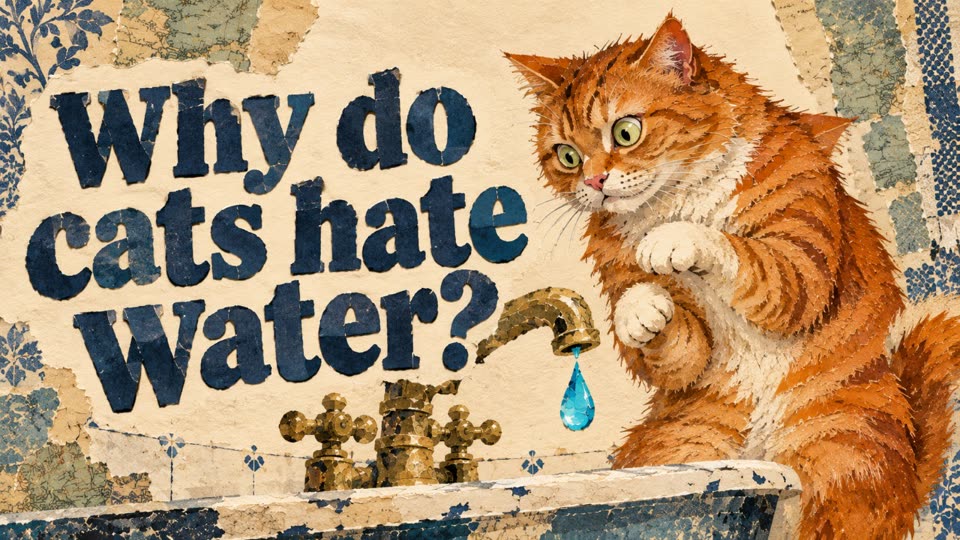
Why Do Cats Hate Water?
A 49-second collage explainer: a tiger swims rivers while a house cat flees a bath, because desert-built fur turns heavy, cold and scentless when it is soaked.
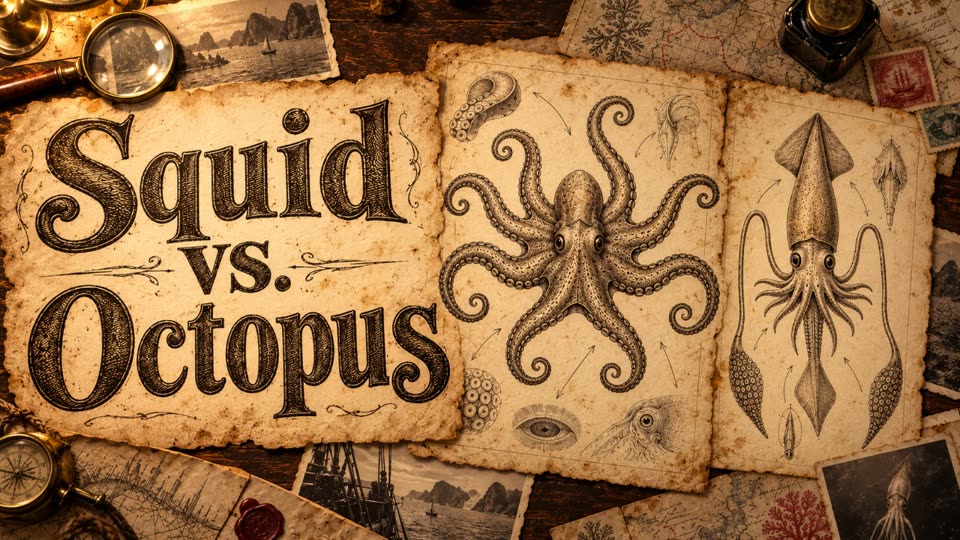
Squid vs. Octopus: What’s the Difference?
A 50-second archival-documentary explainer: an octopus has eight arms, a squid eight arms and two tentacles, and both come from one shelled, ten-armed ancestor that made two opposite bets.
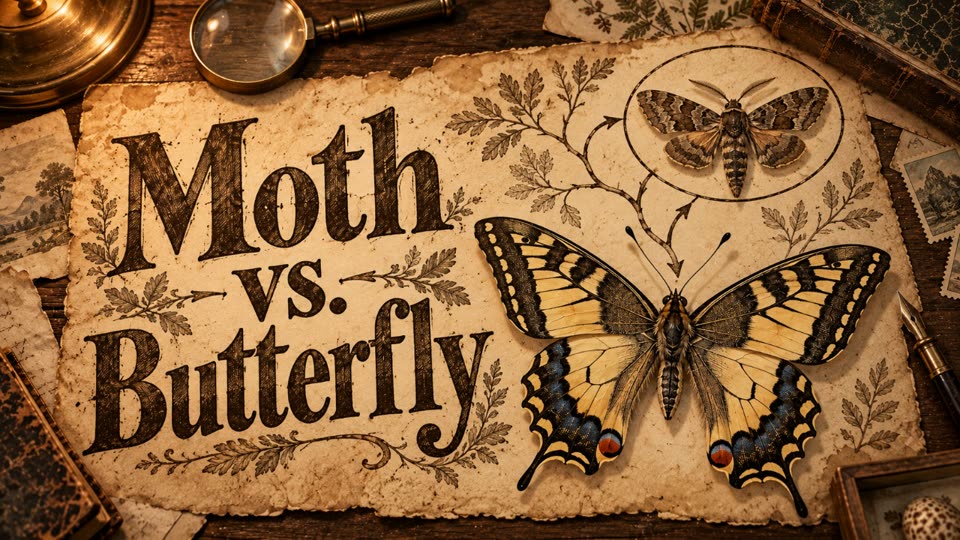
Moth vs. Butterfly: What’s the Difference?
A 50-second archival-documentary explainer: the rules of thumb for telling a moth from a butterfly, antennae, wings at rest, night or day, and the family tree that shows a butterfly is a moth that came out into the sun.
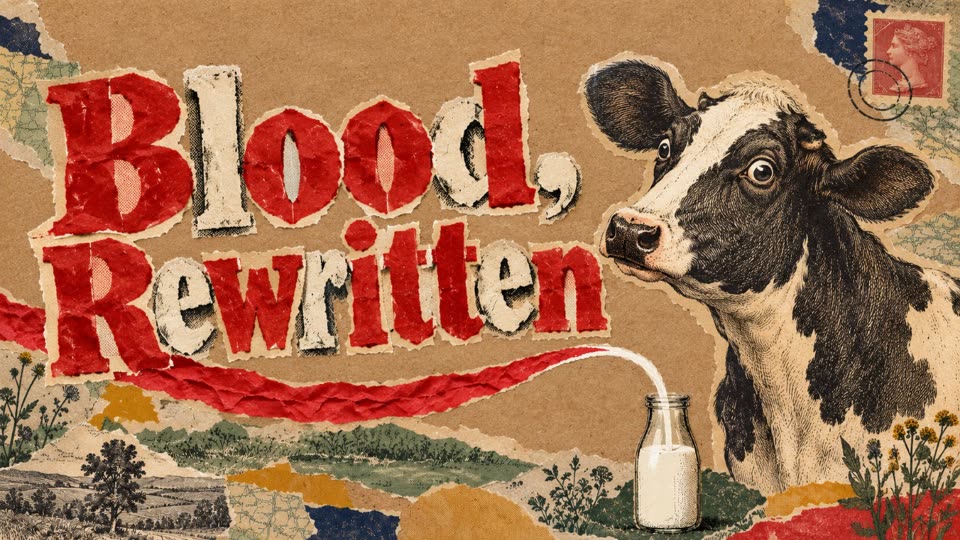
How Does a Cow Turn Blood Into Milk?
A 50-second collage explainer: every litre of milk starts with about 400 litres of blood, and the udder builds milk from scratch rather than straining it, with a sugar, lactose, deciding how much flows.
Body and health
What Is Cortisol? Your Body’s Alarm
A 49-second health explainer drawn as a pop comic book: what cortisol is, why it peaks after you wake, how nonstop stress keeps it on, and why a real “moon face” comes from Cushing syndrome, not a stressful week.
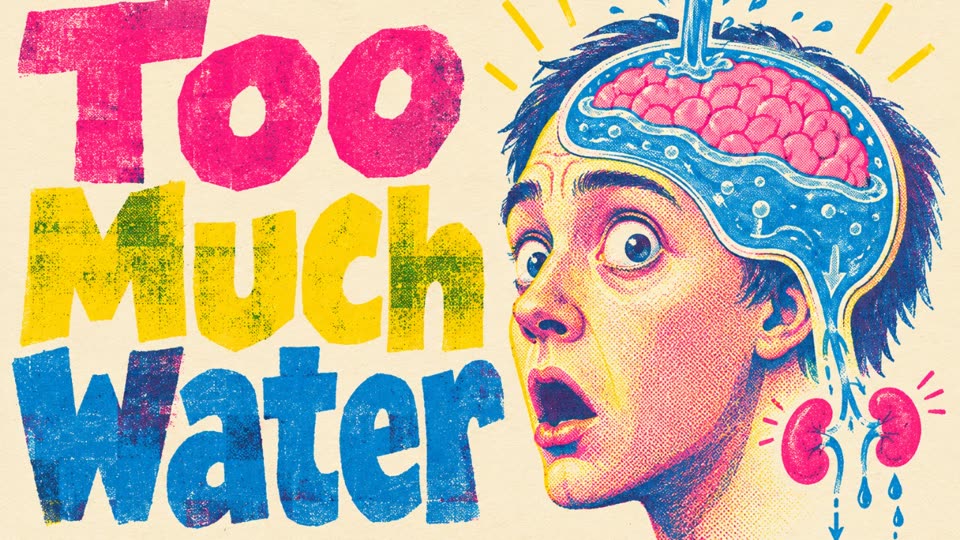
What Happens When You Drink Too Much Water?
A 54-second Risograph explainer: water turns dangerous only when you drink it faster than your kidneys can drain it, about a litre an hour, and the brain, boxed in by the skull, is where it hurts.
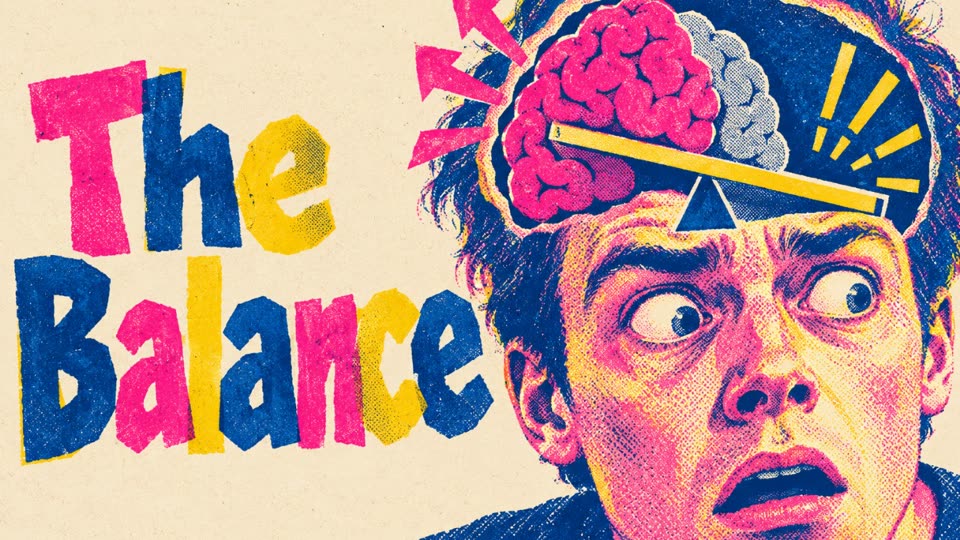
What Happens When You Stop Drinking Alcohol?
A 55-second Risograph explainer: the brain balances a brake and an accelerator, so when a regular drinker stops, the first days feel worse before the balance, the liver and blood pressure recover.
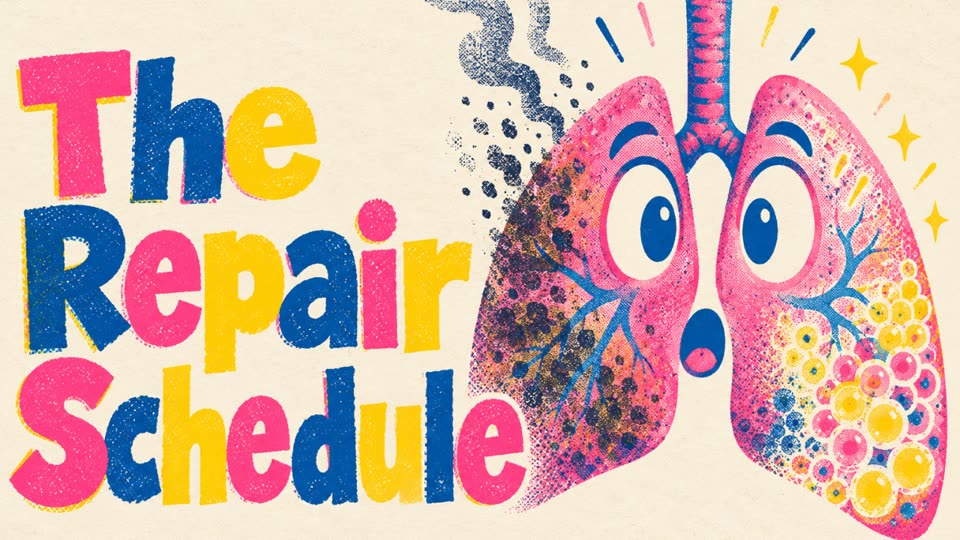
What Happens When You Quit Smoking?
A 55-second Risograph explainer: quitting starts a repair schedule, blood in hours, airways in weeks, and lungs that rebuild from a reserve of cells smoke never touched.
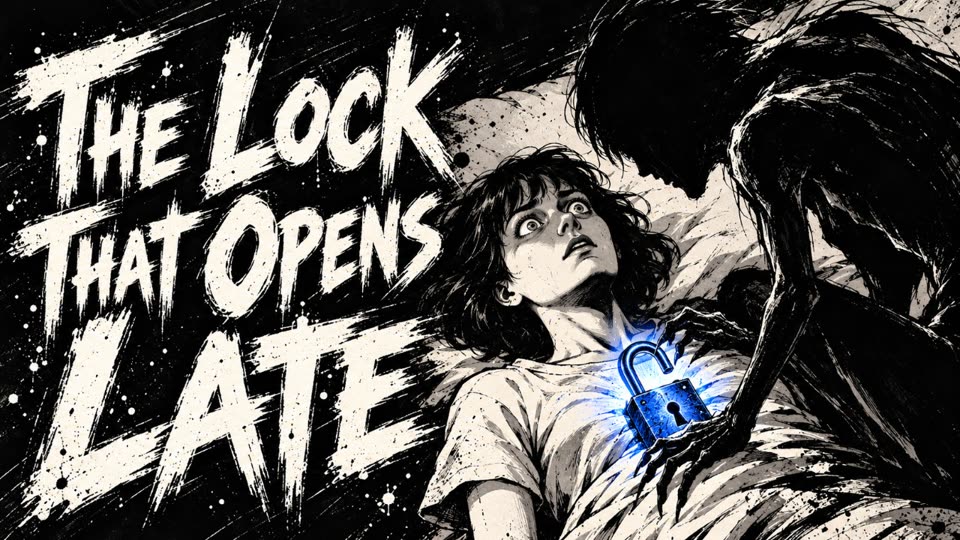
What Is Sleep Paralysis?
A 52-second ink-noir explainer: sleep paralysis is waking up before the lock your brain puts on your muscles during dreams has opened. About one person in thirteen has had it, and it is harmless.
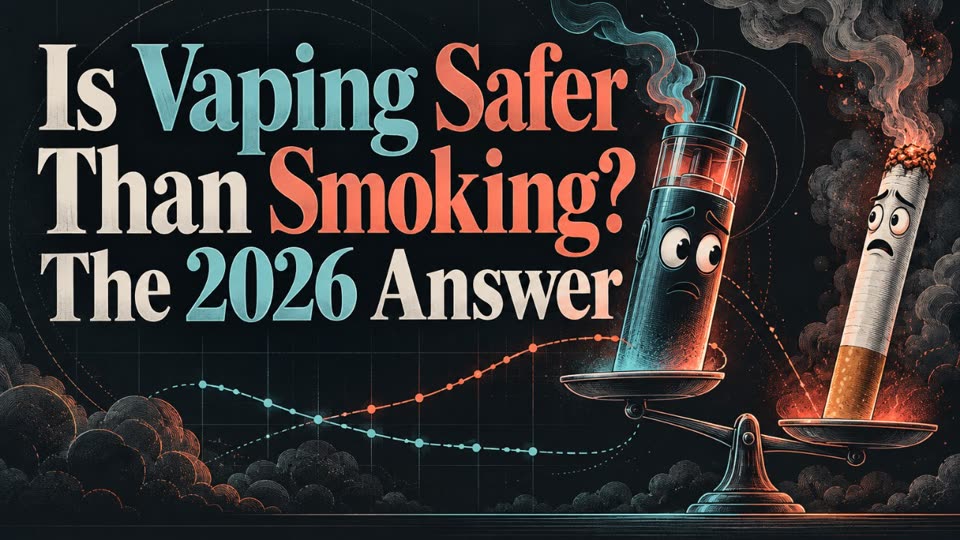
Is Vaping Safer Than Smoking?
A 55-second data-journalism explainer: vaping is safer than smoking but not safe. It sets a 2026 Australian review on cancer risk beside the Cochrane review of 80 quitting trials.
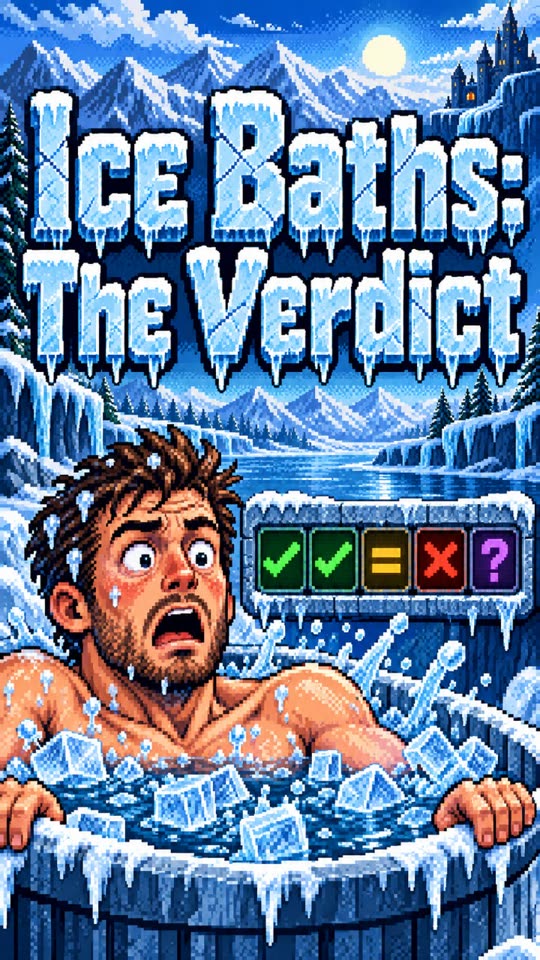
Do Ice Baths Actually Work?
A 41-second vertical explainer in 16-bit pixel art: five ice-bath claims scored one by one. Two wins, one draw, one loss and one unknown, and a rule: cold for sore legs, not for bigger muscles.
Weather, climate and space
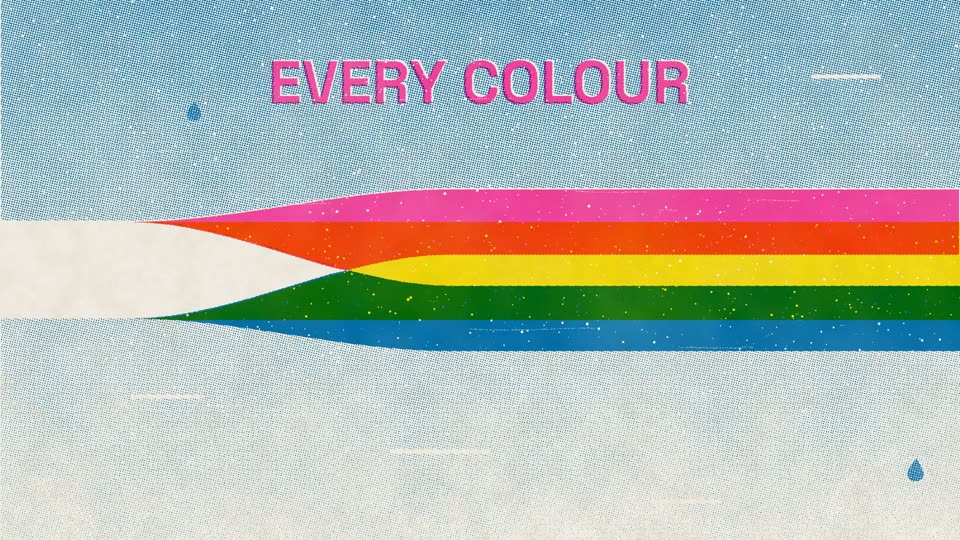
How does a rainbow form?
A 33-second science explainer in a Risograph print style. Dot the raindrop shows how white sunlight splits into colours inside a raindrop, and why you only see a rainbow with the sun behind you.
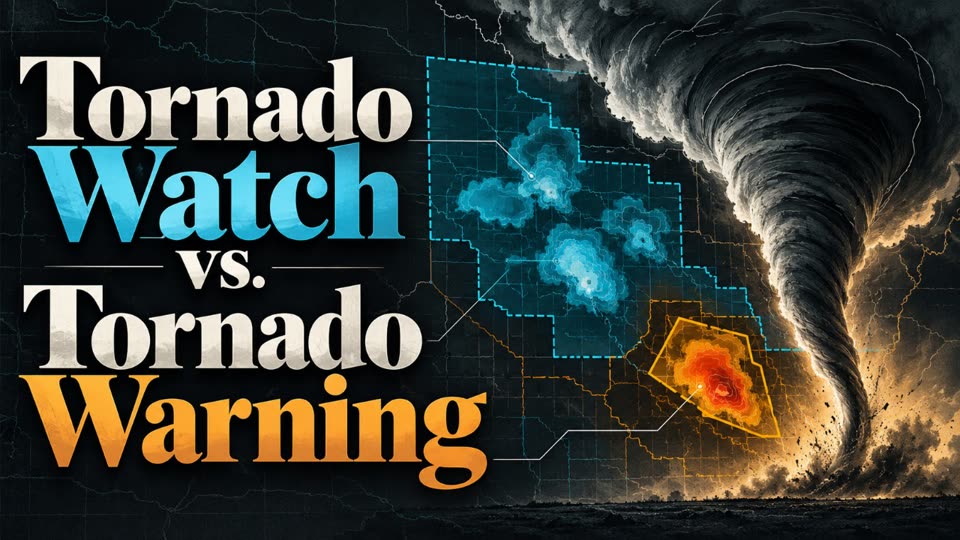
Tornado Watch vs. Tornado Warning: What’s the Difference?
A 51-second data-journalism explainer: a tornado watch is a huge box around the weather, hours ahead; a warning is a small shape around one storm, with about ten minutes to act.
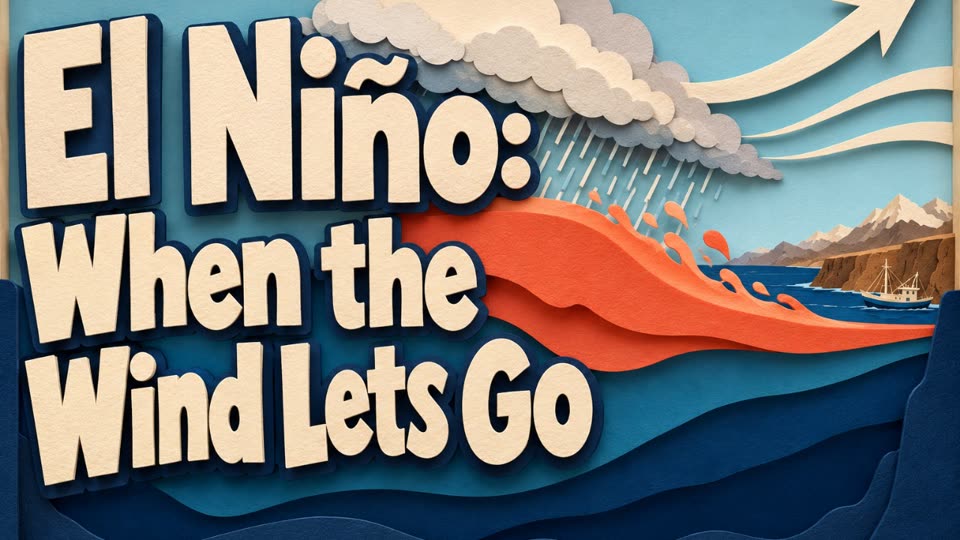
What Is El Niño?
A 52-second layered-papercut explainer: the trade winds hold the Pacific tilted, and El Niño is the moment they let go, so the warm water and the rain roll back east.
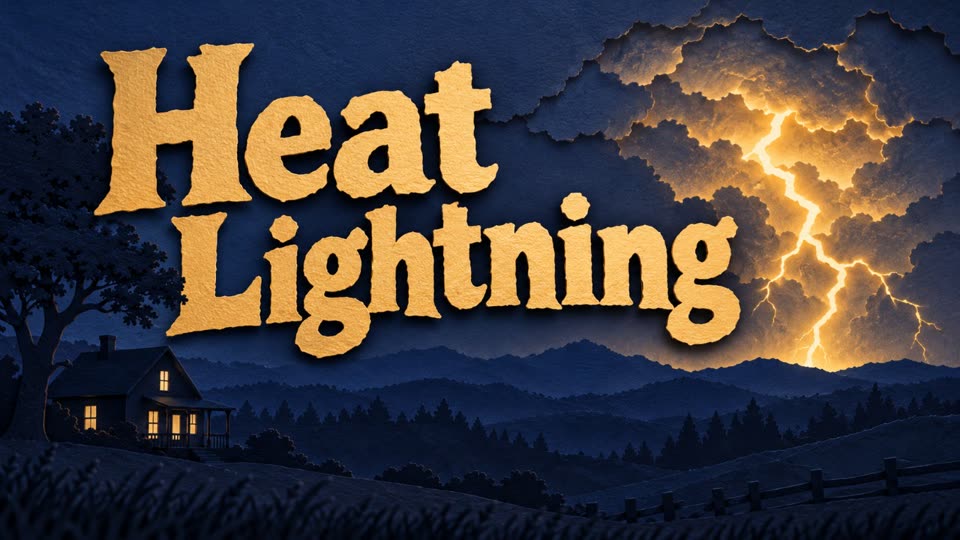
What Is Heat Lightning?
A 53-second layered-papercut explainer: heat lightning is an ordinary thunderstorm too far away to hear, its light carrying a hundred miles while its thunder fades after ten.
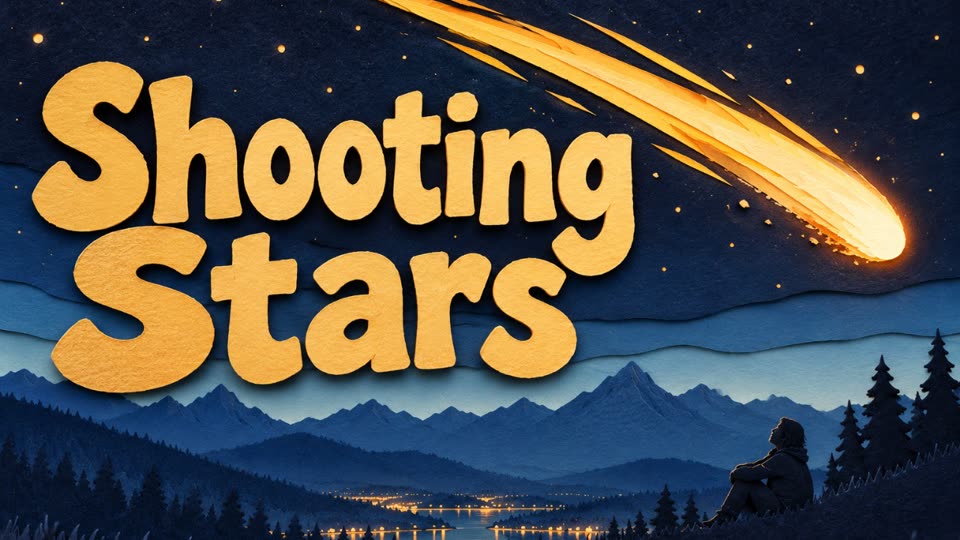
What Are Shooting Stars?
A 52-second layered-papercut explainer: a shooting star is a crumb of comet dust the size of a grain of sand, hitting the air 100 km up so fast that the air itself glows.
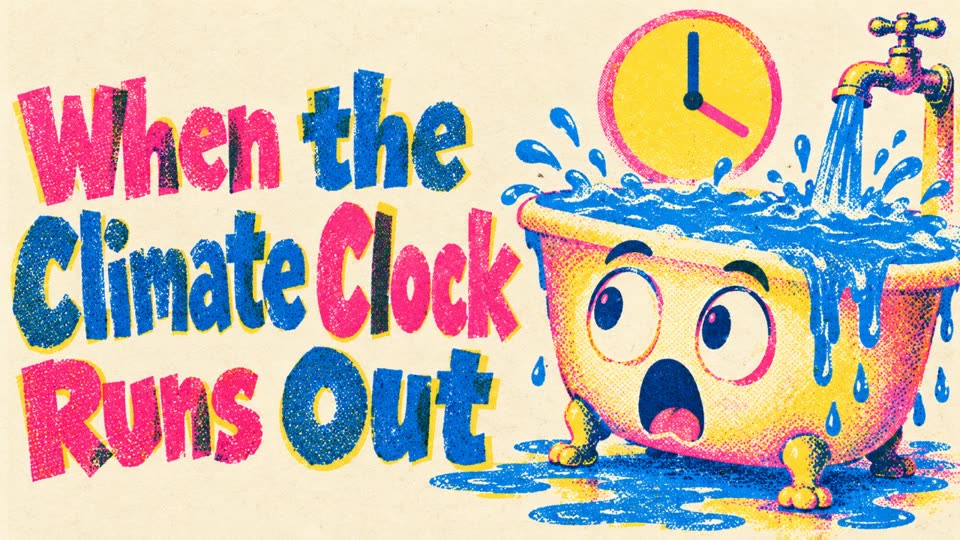
What Happens When the Climate Clock Runs Out?
A 55-second Risograph explainer: the climate clock counts carbon, not time. On the day it hits zero nothing happens, but the bath keeps filling, and every tonne still counts.
Science and tech
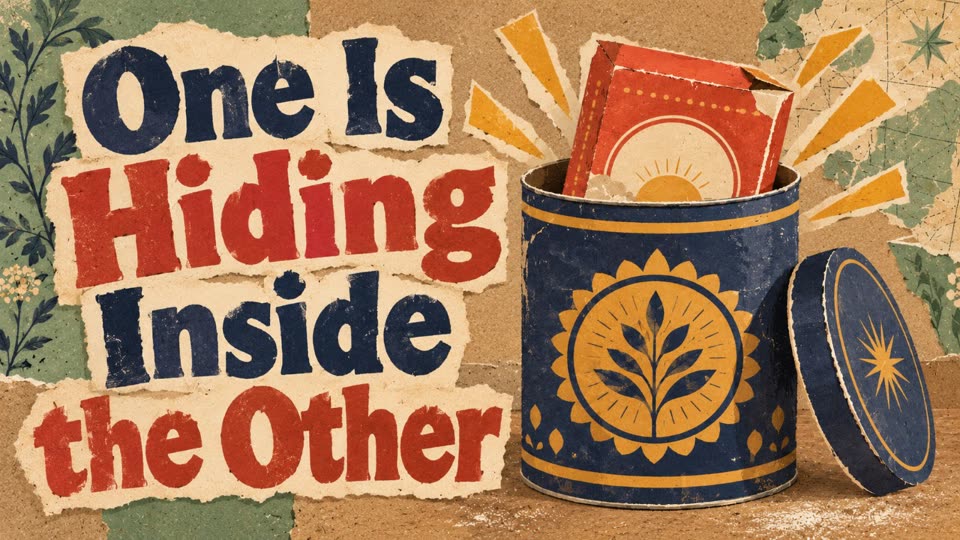
Baking Soda vs. Baking Powder: What’s the Difference?
A 51-second collage explainer: baking soda is a base that needs an acid from the recipe, and baking powder is the same soda packed with its own acid, often two.
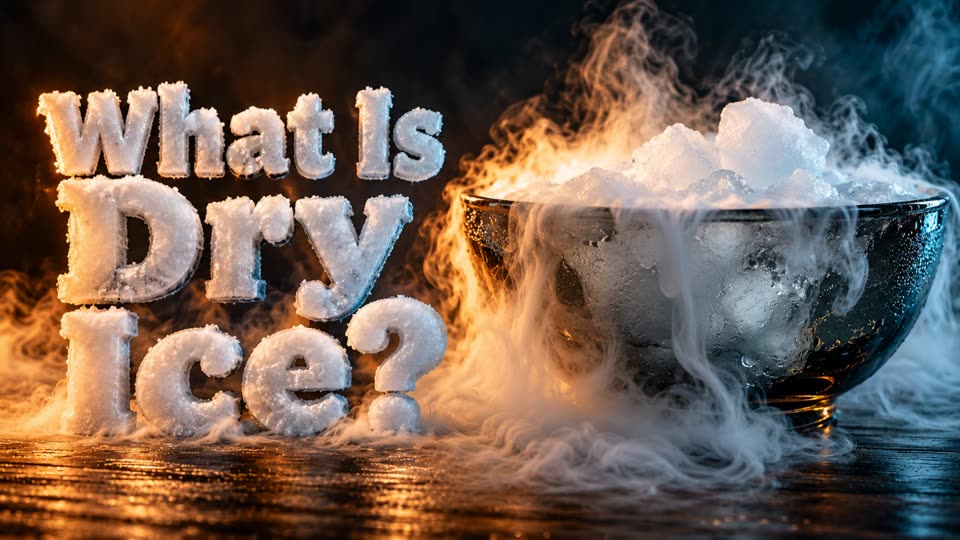
What Is Dry Ice?
A 49-second nature-documentary explainer: dry ice is frozen carbon dioxide that turns straight into gas, and the white fog is not dry ice at all but the room’s own water, made visible.
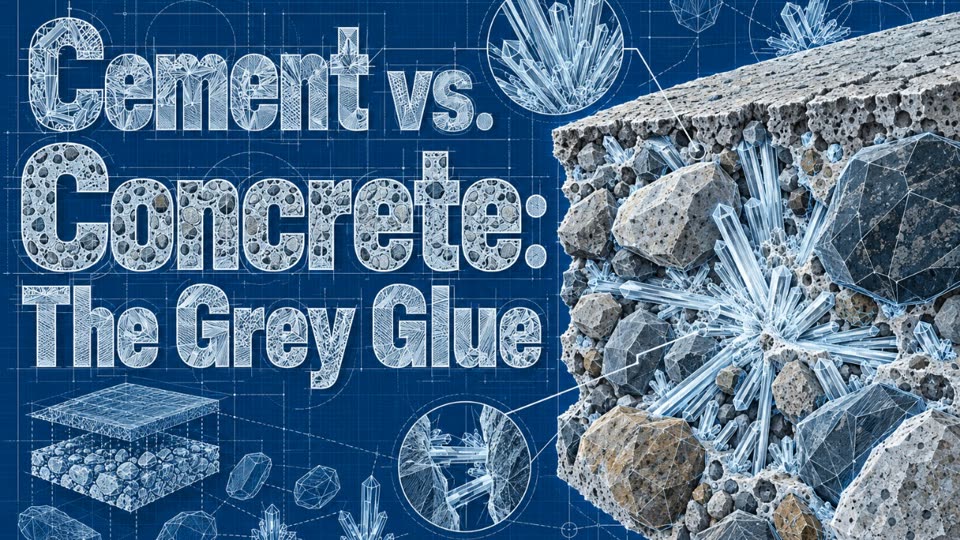
Cement vs. Concrete: What’s the Difference?
A 50-second blueprint explainer: concrete is mostly stone, and cement is the eighth of grey glue that holds it, a baked powder that does not dry but grows crystals.
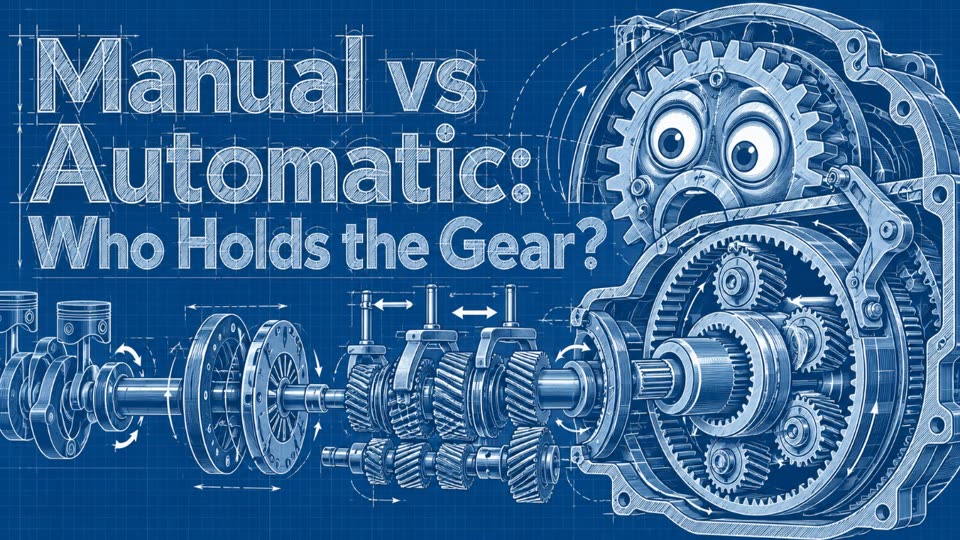
Automatic vs. Manual Transmission: What’s the Difference?
A 53-second blueprint explainer: a manual and an automatic gearbox solve the same two jobs, letting go of the engine and picking a gear, by locking one part. The difference is who does the locking.
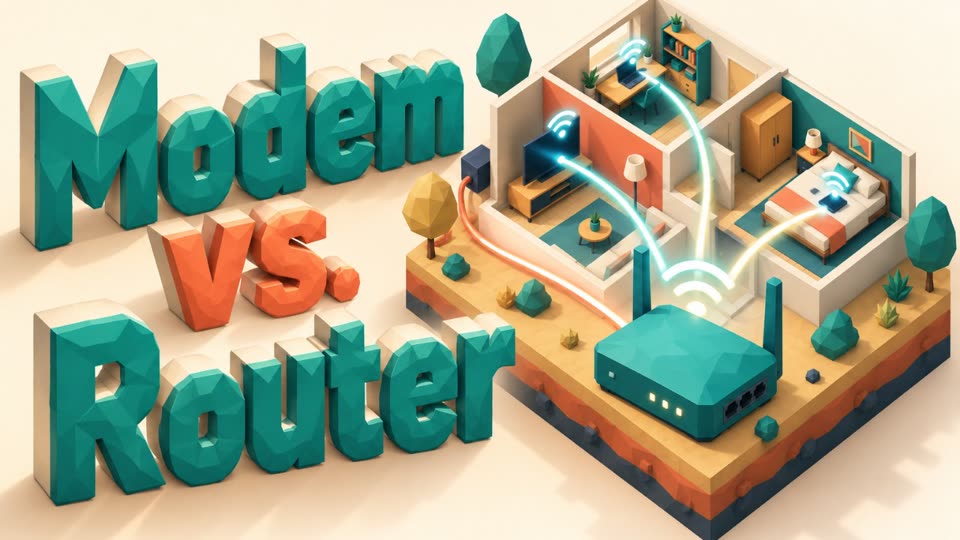
Modem vs. Router: What’s the Difference?
A 51-second isometric explainer: in one tiny home, the modem brings the internet to the door and the router shares it with every room, with Wi-Fi as the router’s radio.
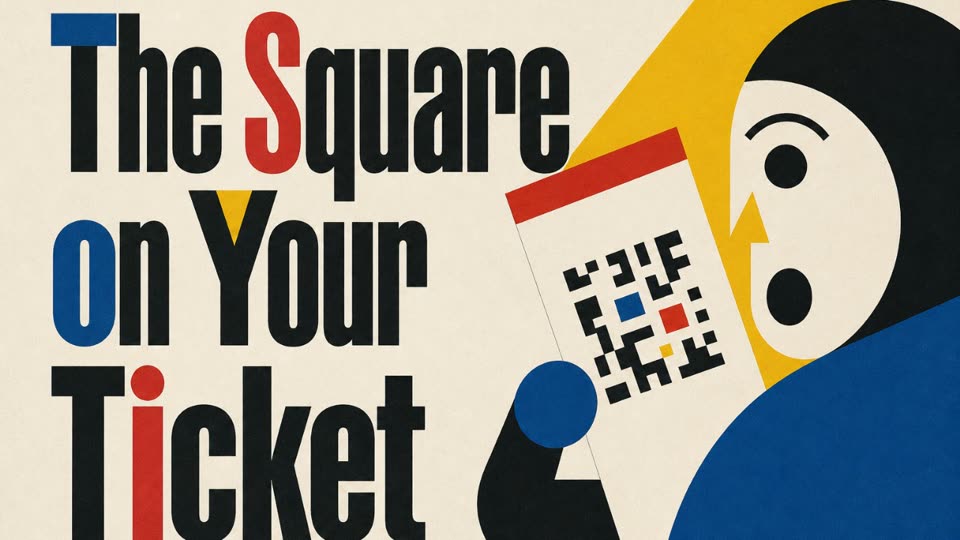
What Is a QR Code?
A 29-second Swiss-modernist explainer made for the curious people who scan their own ticket: a QR code is writing, not a picture, and at the door it is the way in.
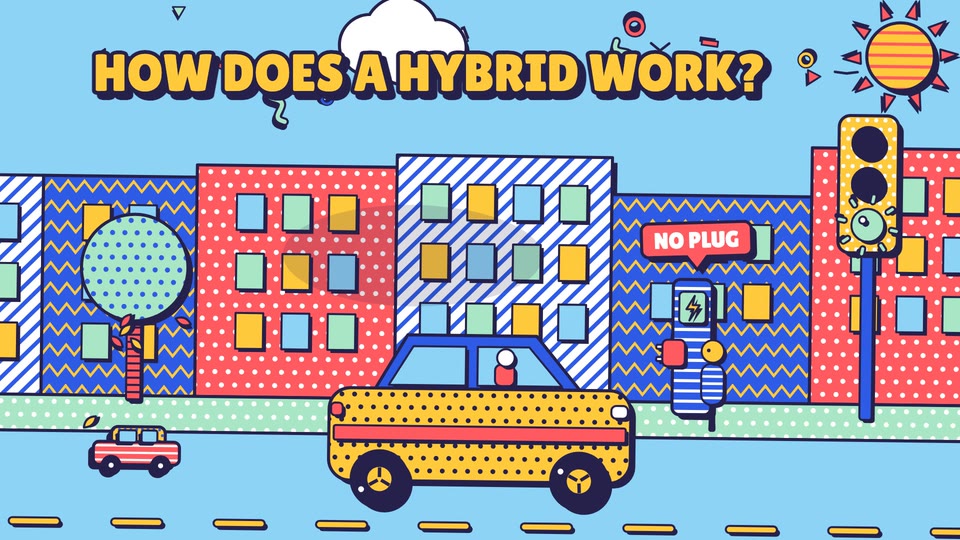
How Does a Hybrid Car Work?
A 31-second Memphis pop explainer: a hybrid that never plugs in keeps its battery charged two ways. The petrol engine tops it up with spare power, and braking turns the electric motor into a generator.
History and society
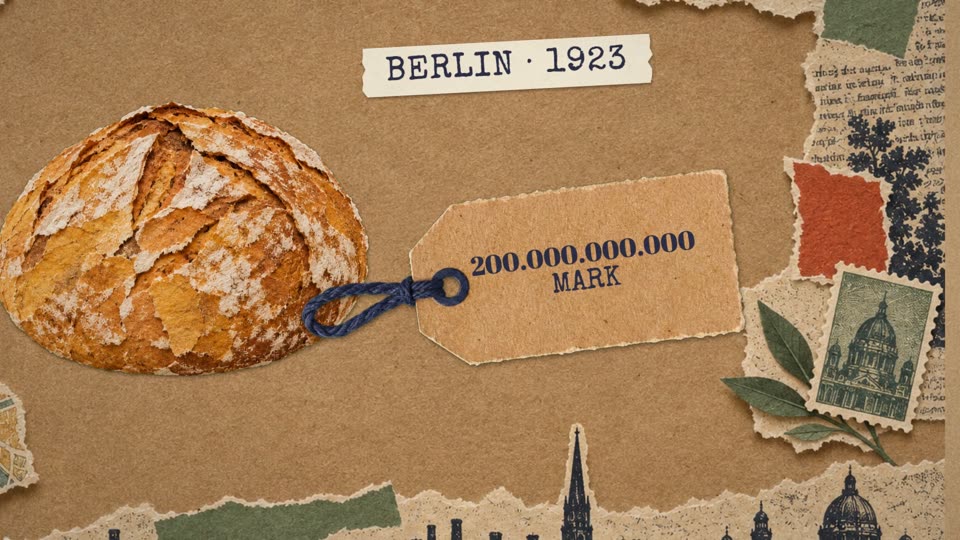
Why can’t we just print more money?
A 56-second economics explainer in an editorial collage style. From a 200-billion-mark loaf of bread in 1923 Berlin to a town with a hundred loaves, it shows why printing money does not make anyone richer.
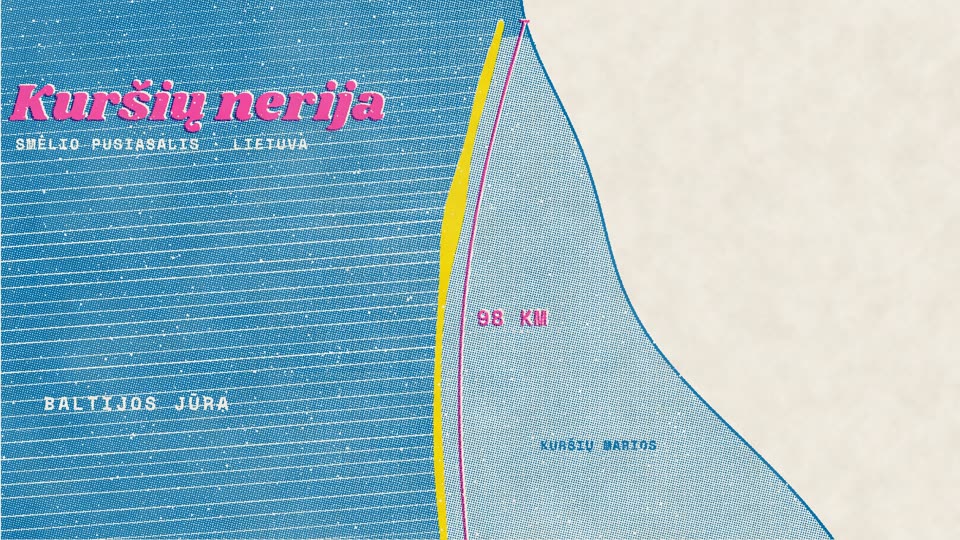
Kuršių nerija
A 69-second explainer in Lithuanian about the Curonian Spit, the 98-kilometre strip of sand between the Baltic Sea and the Curonian Lagoon: the legend of the giantess Neringa, the dunes that buried whole villages, and the forest people planted to hold them.
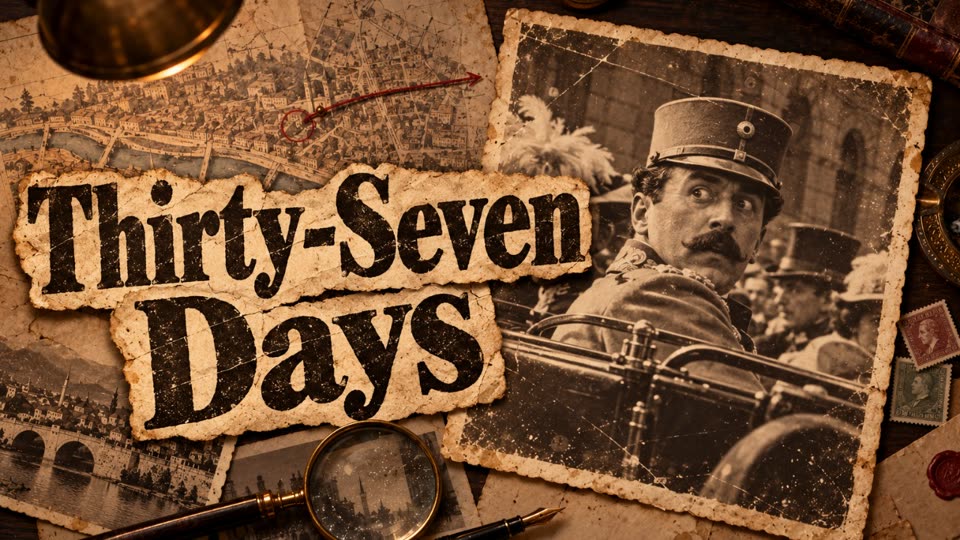
What Caused World War 1?
A 53-second archival-documentary explainer: a driver’s wrong turn in Sarajevo fired the shot, but promises between countries and war plans built for speed turned one murder into a world war in 37 days.
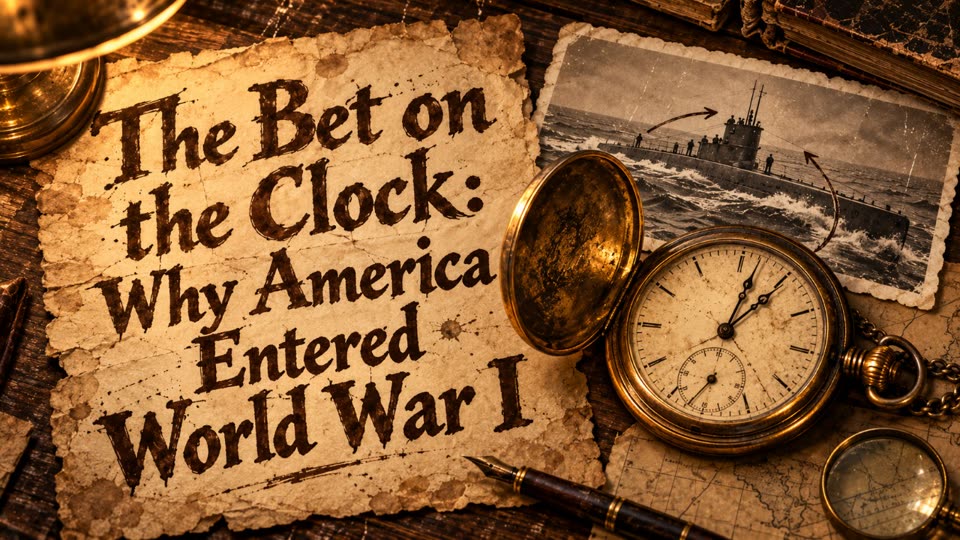
Why Did the US Enter World War 1?
A 53-second archival-documentary explainer: in 1917 Germany chose unrestricted U-boat war knowing it would bring America in, betting it could starve Britain out first, and lost.
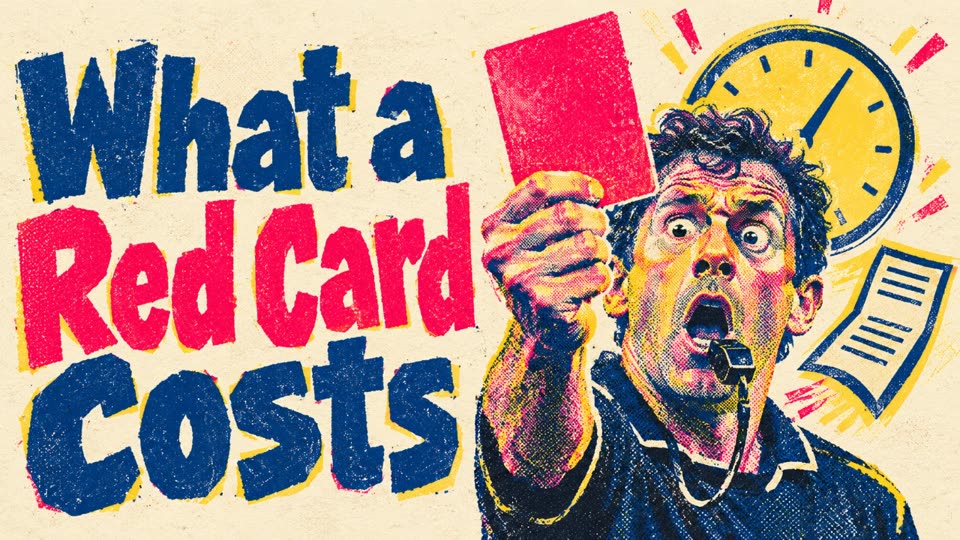
What Happens When a Player Gets a Red Card?
A 55-second Risograph explainer: a red card is less a punishment than a price set by the match clock. A team down to ten concedes more, and a ban sends a second bill.
One sentence is enough.
Describe your topic, approve the storyboard, and get a narrated, animated film in about 15 minutes.
Make my first film