- explain.film
- Sample films
- Why can’t we just print more money?
Why can’t we just print more money?
Make your own explainer
Free to start, no card required.
Editorial collage explainer · 56 seconds · English
A 56-second economics explainer in an editorial collage style. From a 200-billion-mark loaf of bread in 1923 Berlin to a town with a hundred loaves, it shows why printing money does not make anyone richer.
- The brief
- “Why can’t we just print more money?”
- Style
- Editorial collage
- Length and frame
- 56 seconds · 16:9
- Made for
- Talks and presentations
How it was made.
The director picked a concrete story to carry an abstract idea: one loaf of bread, priced in two eras, then a simple model of a town that bakes a hundred loaves.
Torn paper, kraft card and vintage ephemera give it the feel of a magazine feature. Words arrive as cut-out labels, not floating UI text.
Every film on explain.film is made the same way: one sentence in, a storyboard you approve, then the director paints, voices, scores and animates it, and a critic model grades the cut before you see it.
Transcript
- In late 1923, a loaf of bread in Berlin cost 200 billion marks.
- A year earlier, 160.
- Germany printed money to pay its debts while its factories stood idle.
- Money isn't wealth, it's a ticket, a claim on what people make.
- Say a town bakes a hundred loaves and has a hundred dollars.
- Print a hundred more, the ovens don't bake one extra loaf.
- Two dollars now chase every loaf.
- Price is double, nobody's richer.
- Keep printing and people dump cash before it shrinks.
- In Zimbabwe, a hundred-trillion-dollar note couldn't buy a bus fare.
- Central banks do create money.
- With ovens and workers idle, it can restart them.
- So the limit was never the printer, it's the bread.
More films made with explain.film.
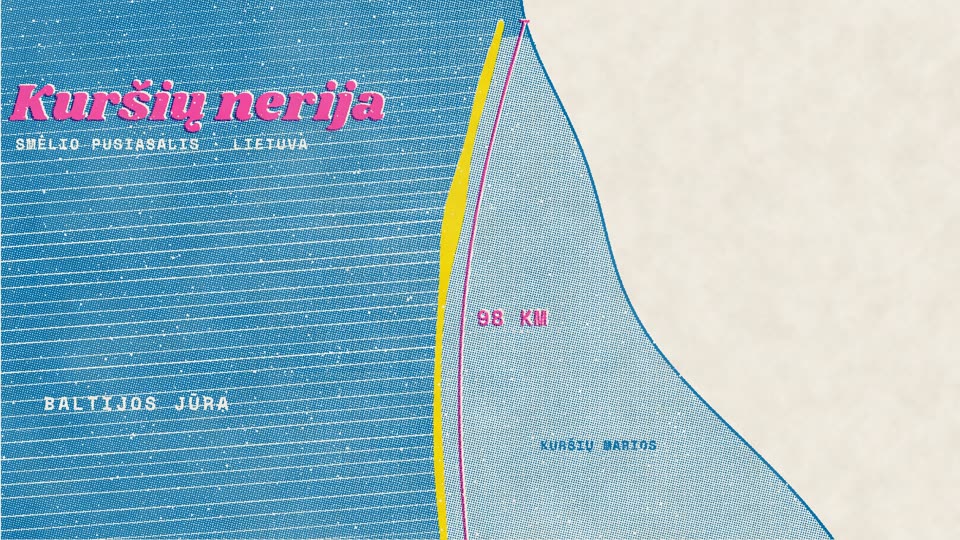
Kuršių nerija
A 69-second explainer in Lithuanian about the Curonian Spit, the 98-kilometre strip of sand between the Baltic Sea and the Curonian Lagoon: the legend of the giantess Neringa, the dunes that buried whole villages, and the forest people planted to hold them.
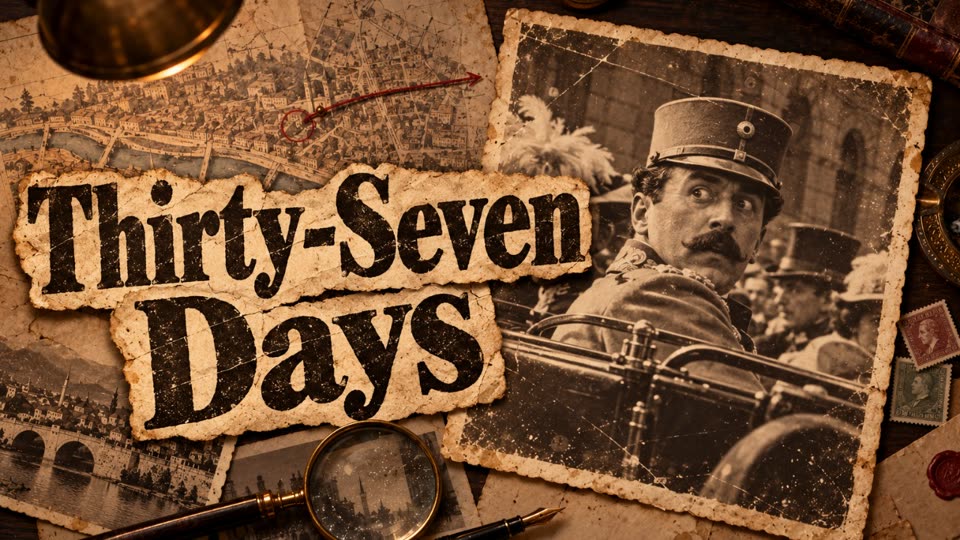
What Caused World War 1?
A 53-second archival-documentary explainer: a driver’s wrong turn in Sarajevo fired the shot, but promises between countries and war plans built for speed turned one murder into a world war in 37 days.
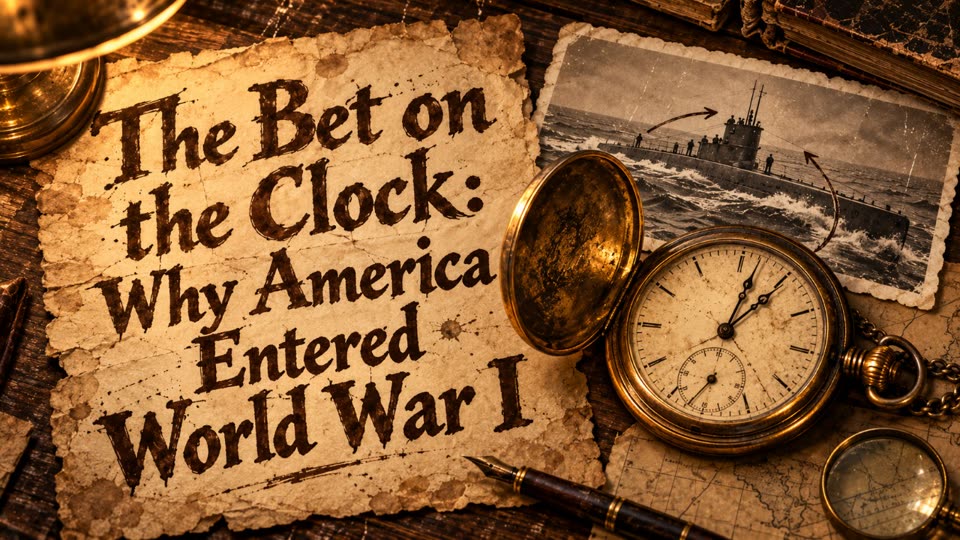
Why Did the US Enter World War 1?
A 53-second archival-documentary explainer: in 1917 Germany chose unrestricted U-boat war knowing it would bring America in, betting it could starve Britain out first, and lost.
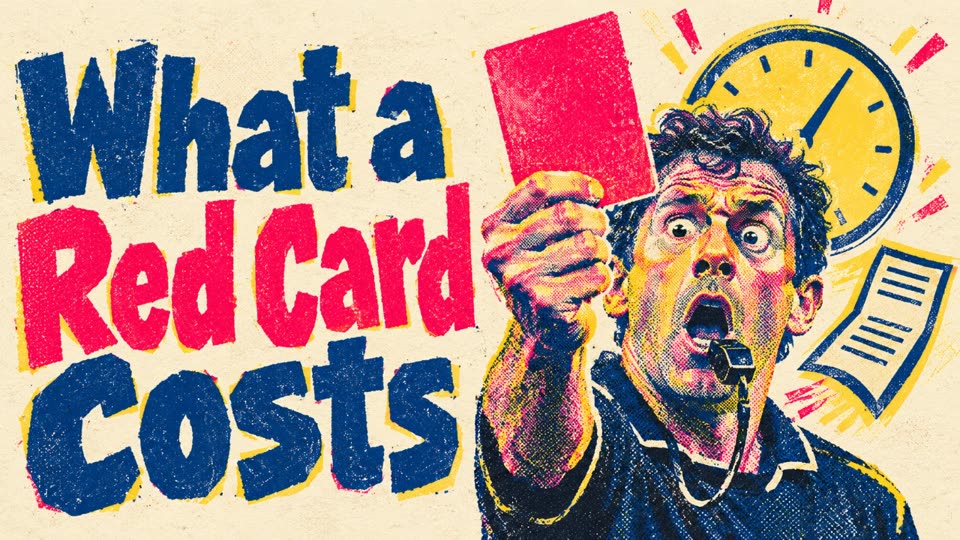
What Happens When a Player Gets a Red Card?
A 55-second Risograph explainer: a red card is less a punishment than a price set by the match clock. A team down to ten concedes more, and a ban sends a second bill.
What is the rarest blood type?
What are the blood types?
Got a topic of your own?
One sentence is enough. Approve the storyboard and get a narrated, animated film like this one in about 15 minutes.
Make a film like this