- explain.film
- Explainer video styles
- Archival documentary
Archival documentary style explainer videos
Vintage photos, sepia scrapbook, handwritten notes. Brief it in one sentence and get a narrated, animated explainer film in the Archival documentary style, scored and voiced, in about 15 minutes.
Or let the director choose a style for your topic.
Sample film: Squid vs. Octopus: What’s the Difference?
What it looks like, and when to use it.
Sepia photographs with deckled edges, letters, maps and fountain-pen notes on an archive table, with slow camera moves across them. Archival documentary gives a topic weight and history. It is the style for stories that start with “It began in…”.
Best for
- History and biography
- Company and founding stories
- Museum and heritage content
Try a brief like
- “How the Hanseatic League traded”
- “The story of our first factory”
- “Who invented the bicycle?”
The art direction the director follows.
Every style is a full art direction, not a filter: its own palette, type, motion and music. This is the brief the director works from for Archival documentary.
- Look
- Ken Burns style archival documentary: aged sepia and faded colour photographs with deckled borders, scratches and dust, laid on a dark archive table with old letters, maps, stamps and a magnifier; handwritten fountain-pen annotations and arrows in the margins; 19th-century scientific engraving plates with copperplate labels for explanations. Slight vignette.
- Motion
- Ken Burns: slow pans and zooms across photographs, the camera travelling from one document to the next across the table, annotations writing on in ink, photos sliding in and settling with a tiny shadow, occasional film-flicker.
- Music
- Reflective documentary score: solo cello, fiddle or acoustic guitar, soft piano, room ambience — nostalgic and earnest.
- Type
- Handwritten fountain-pen notes plus typewriter or old-style serif labels; titles as typed index cards.
The Ken Burns effect, and how this style uses it.
The Ken Burns effect is a slow pan and zoom across a still photograph, so a picture that cannot move still gives the film motion. It is named after the American documentary maker Ken Burns, who built films such as The Civil War (1990) almost entirely from archive photographs filmed this way. He did not invent it: the National Film Board of Canada’s City of Gold (1957) told a gold-rush story the same way, and Burns has named it as an influence. Video editors such as iMovie and Final Cut Pro now offer the move under his name.
In archival documentary, the Ken Burns effect is the main camera move. The director lays photographs, letters and maps out on an archive table, then glides slowly from one document to the next, pushing in on a face or a date just as the narrator names it. Moves ease in and out and never rush, so each still has time to read like footage.
Films made in Archival documentary.
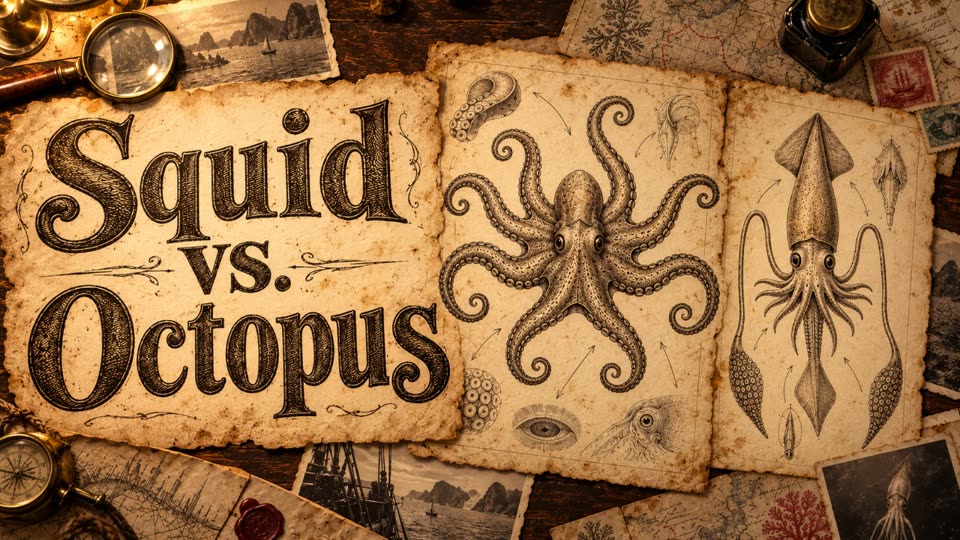
Squid vs. Octopus: What’s the Difference?
A 50-second archival-documentary explainer: an octopus has eight arms, a squid eight arms and two tentacles, and both come from one shelled, ten-armed ancestor that made two opposite bets.
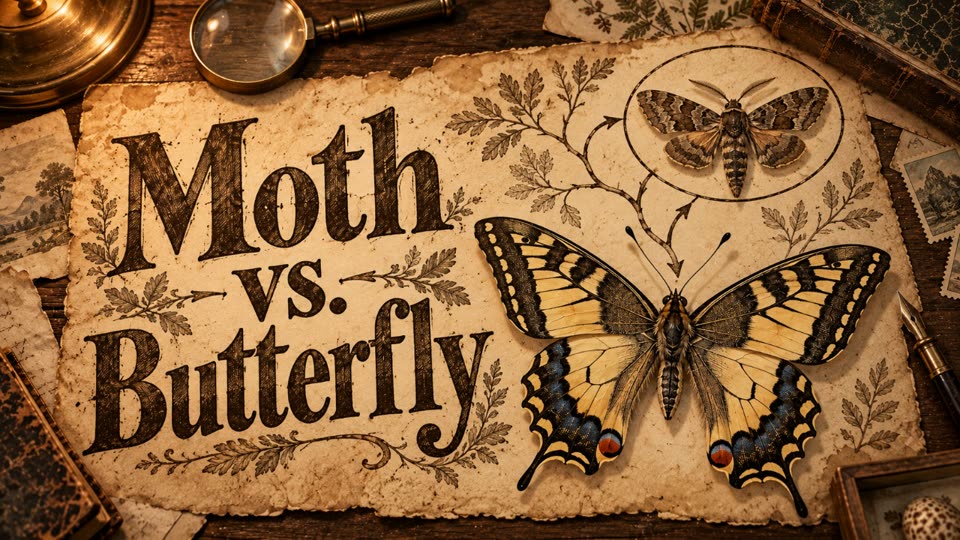
Moth vs. Butterfly: What’s the Difference?
A 50-second archival-documentary explainer: the rules of thumb for telling a moth from a butterfly, antennae, wings at rest, night or day, and the family tree that shows a butterfly is a moth that came out into the sun.
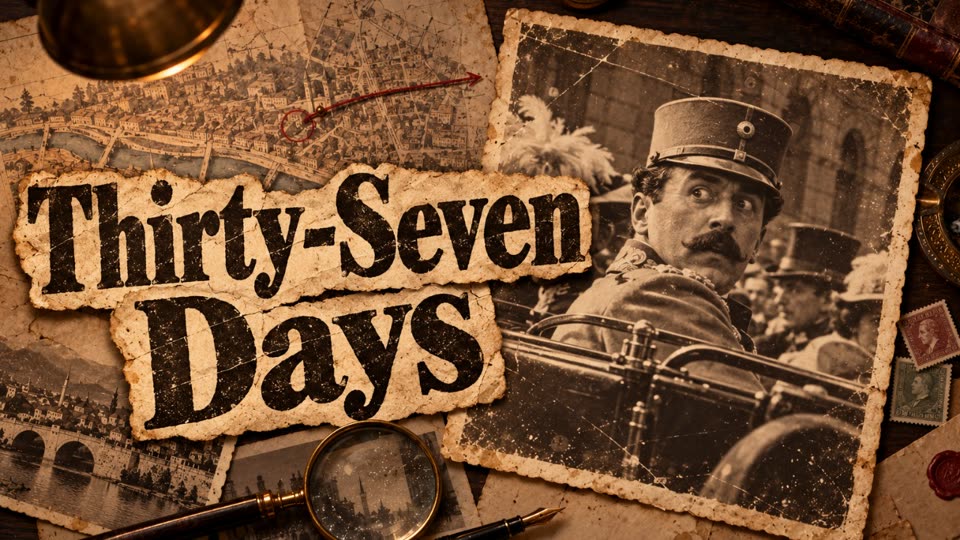
What Caused World War 1?
A 53-second archival-documentary explainer: a driver’s wrong turn in Sarajevo fired the shot, but promises between countries and war plans built for speed turned one murder into a world war in 37 days.
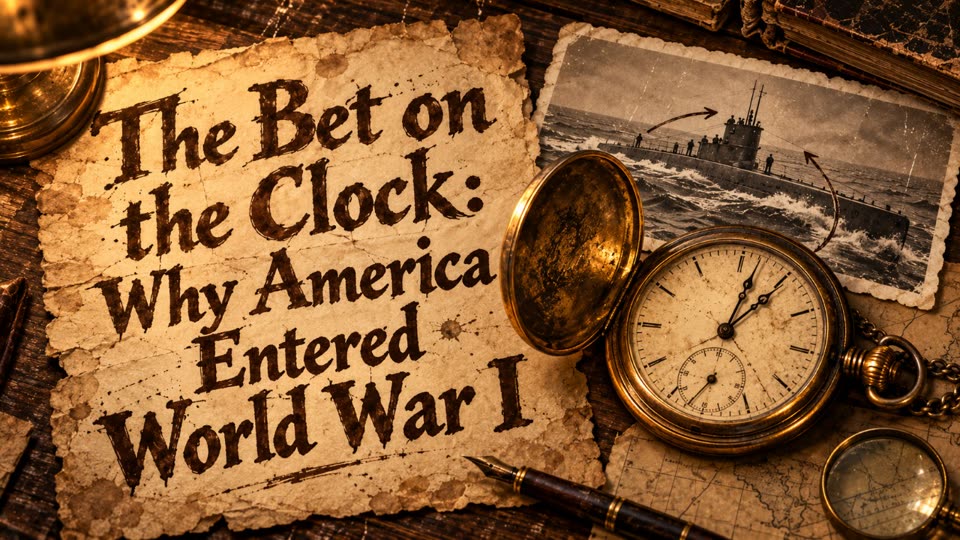
Why Did the US Enter World War 1?
A 53-second archival-documentary explainer: in 1917 Germany chose unrestricted U-boat war knowing it would bring America in, betting it could starve Britain out first, and lost.
62 more styles. Or let the director choose.
Editorial collage
Risograph print

16-bit pixel art
Watercolor editorial
Swiss modernist
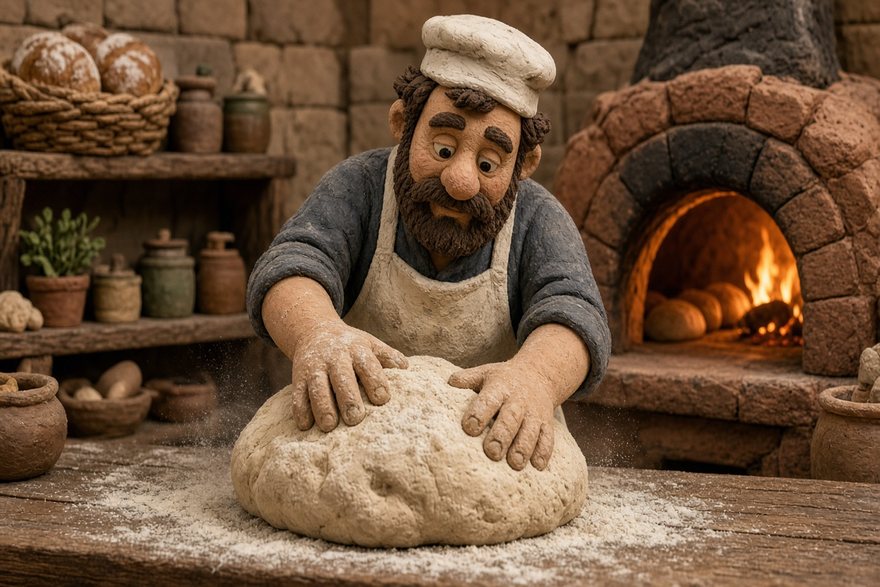
Claymation look
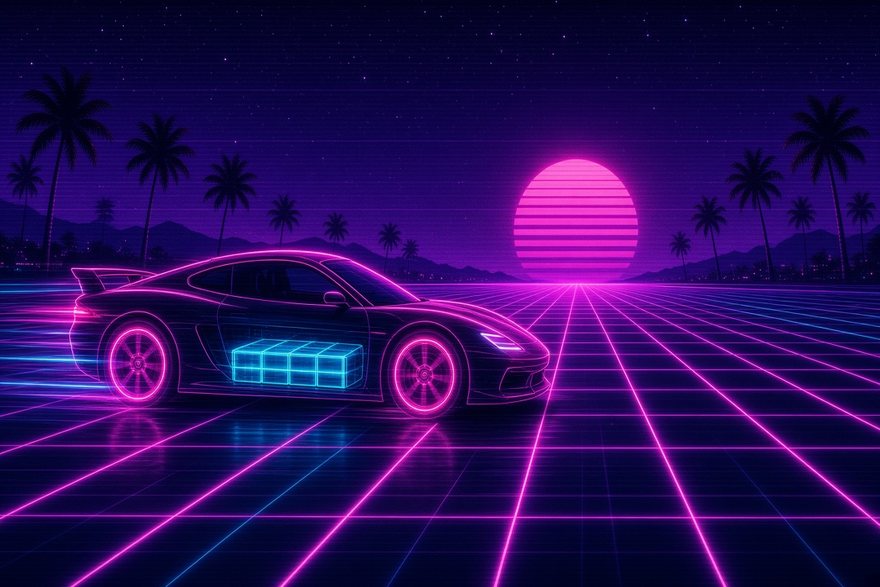
Neon synthwave

Liquid glass
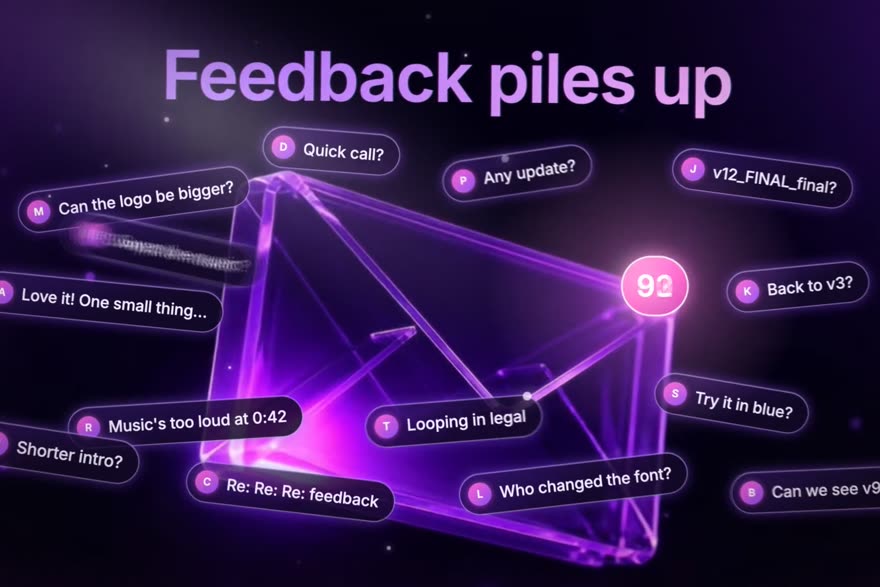
Neon launch promo
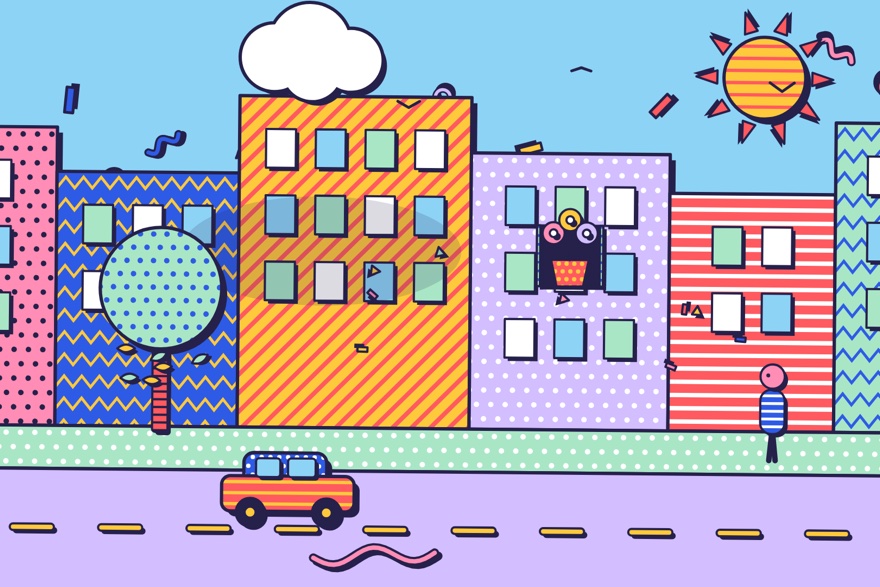
Memphis pop
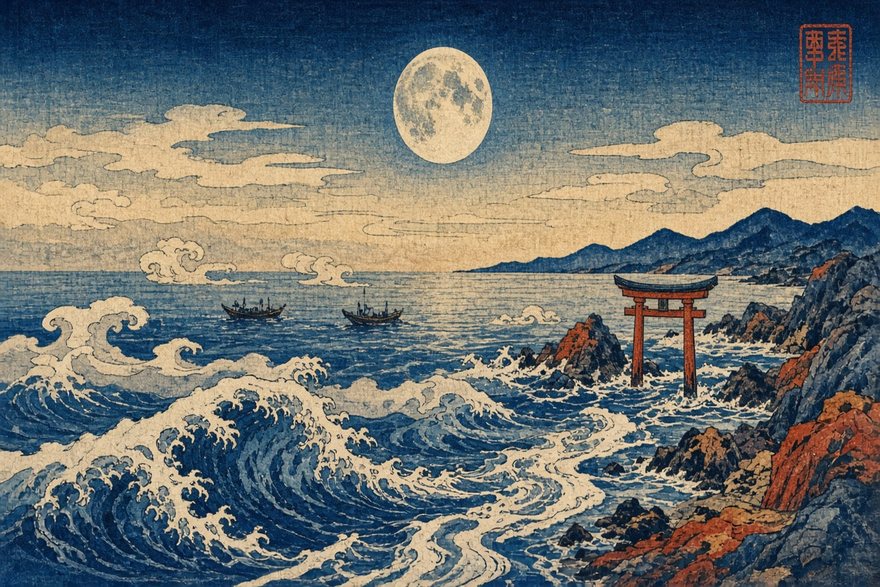
Ukiyo-e woodblock
Kinetic typography

Abstract product UI

Felt & yarn craft
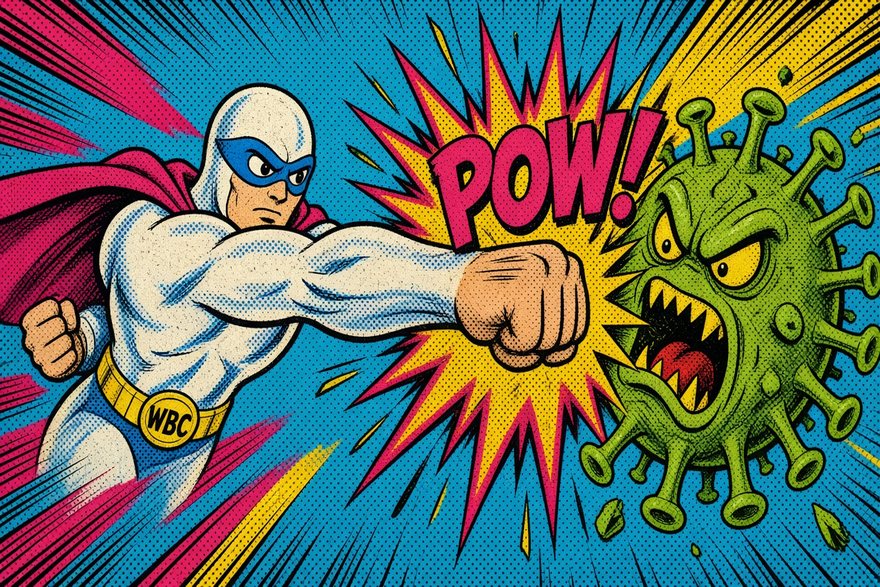
Pop comic book
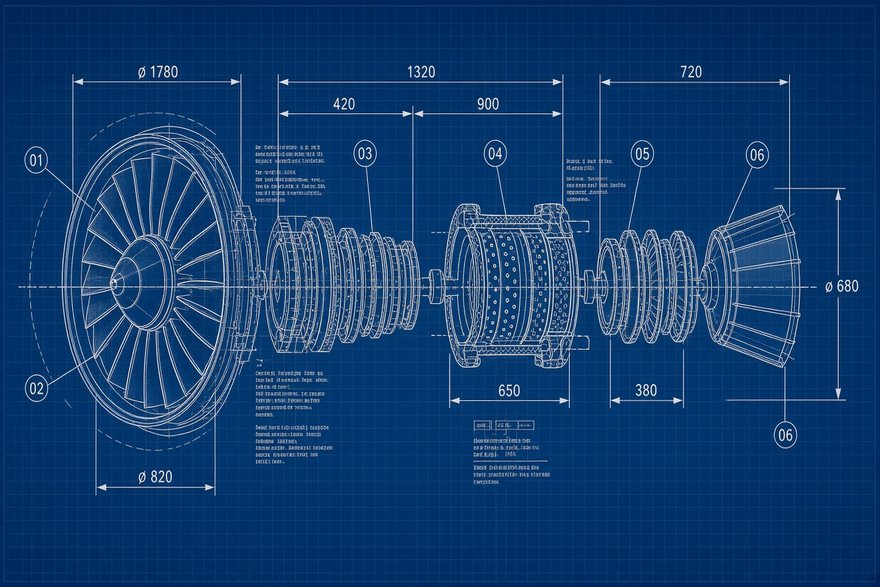
Blueprint / technical

3D Pixel
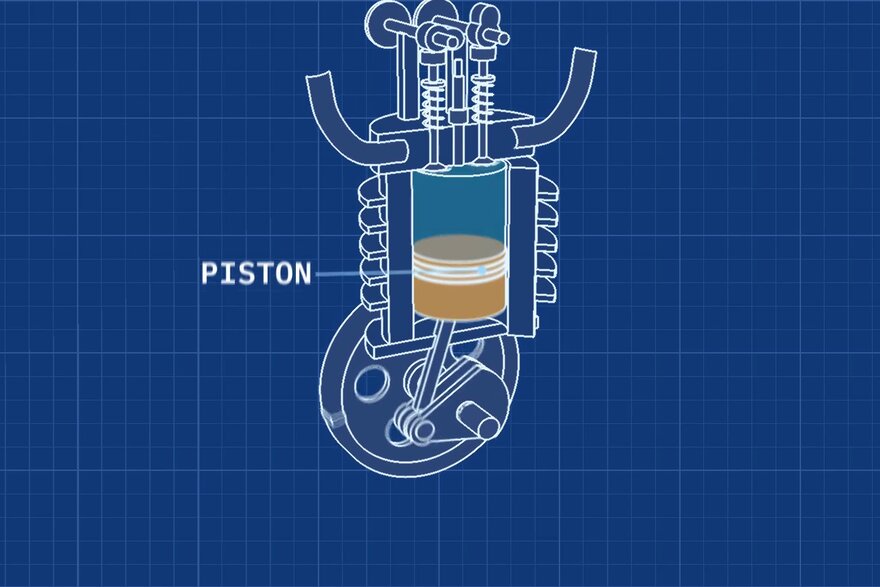
3D Blueprint
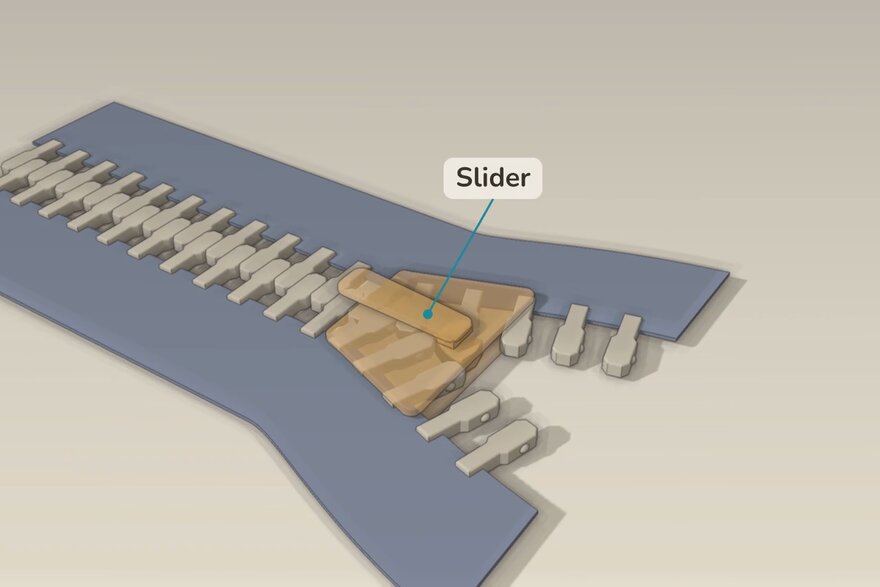
3D Clay
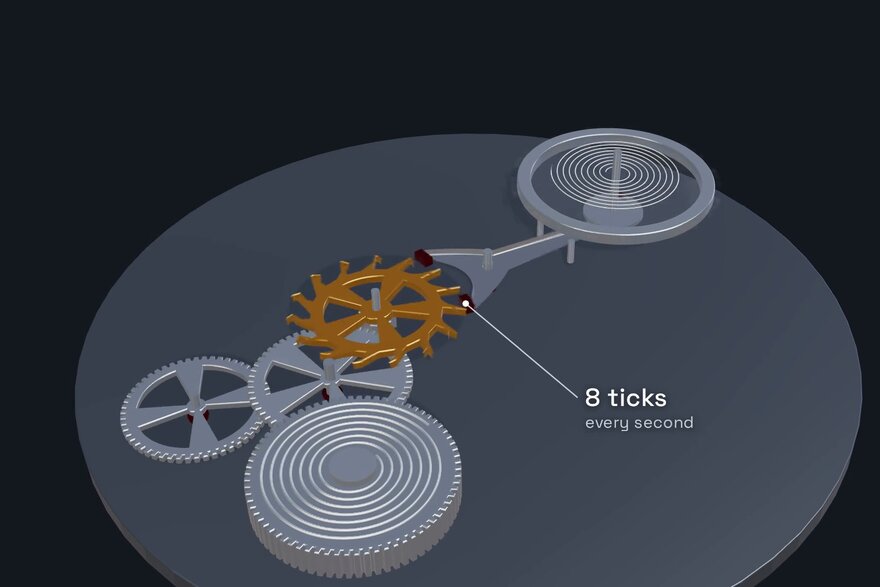
3D Realistic
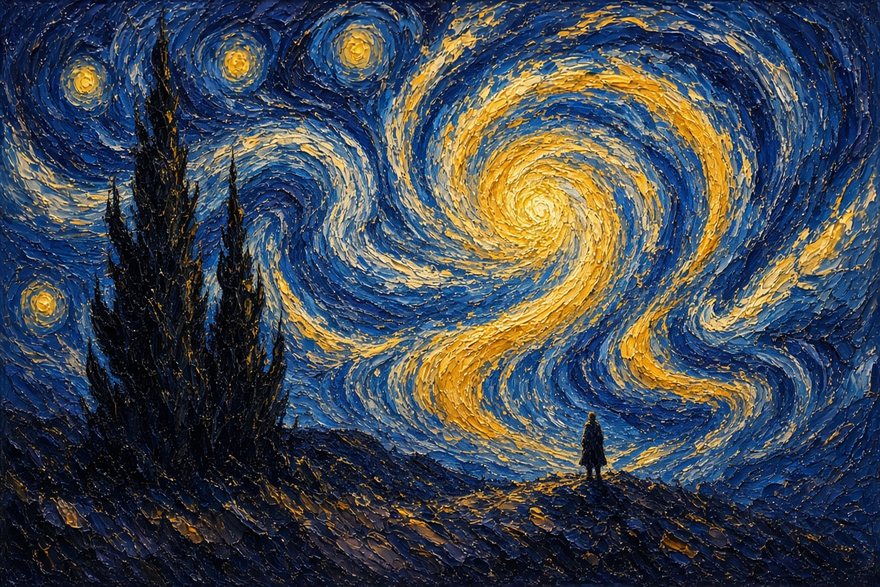
Oil impasto
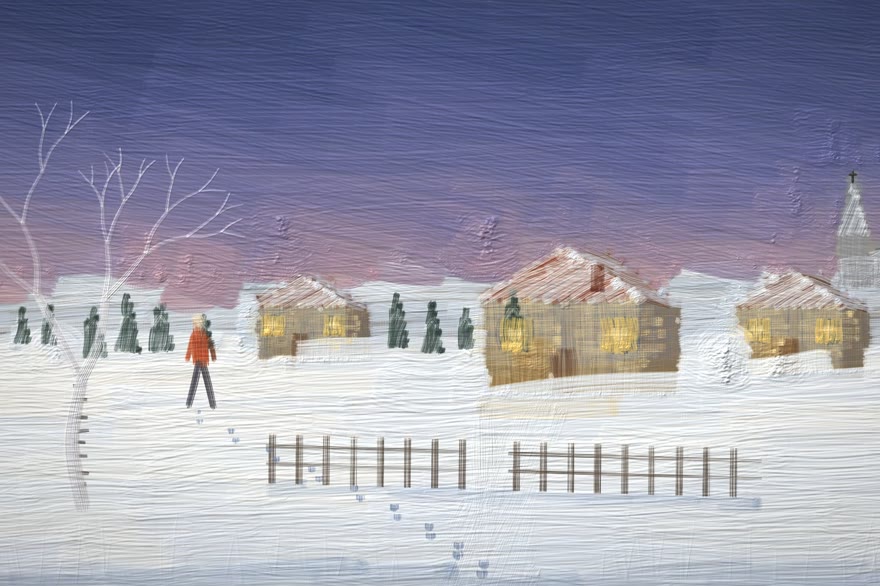
Oil sketch
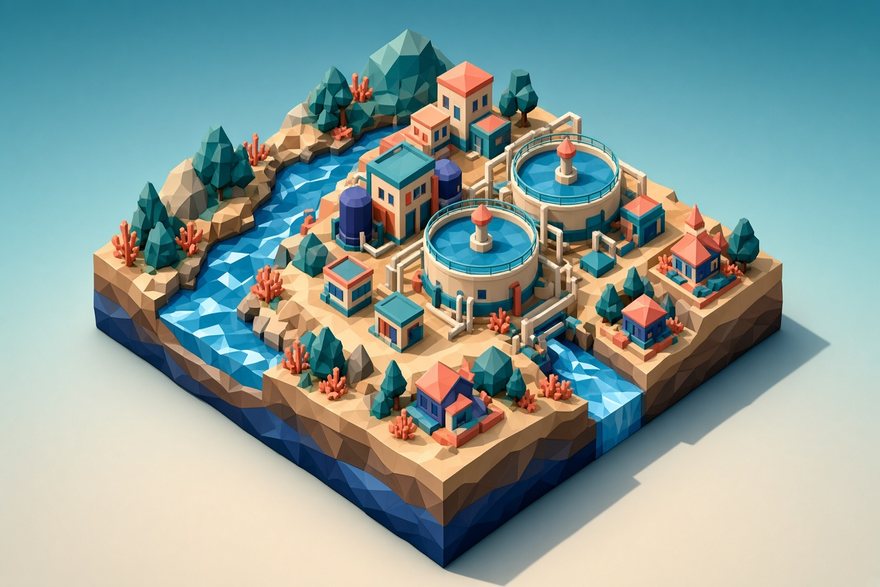
Isometric low-poly
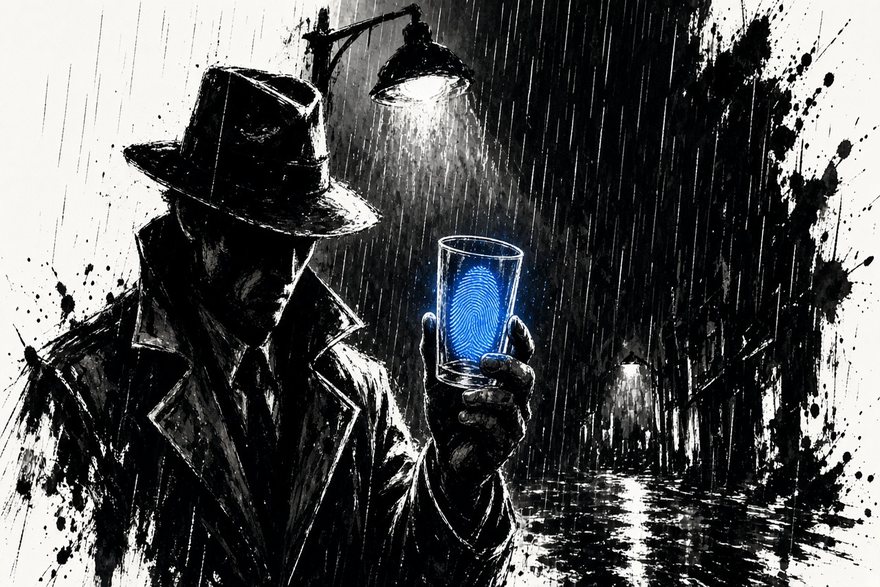
Ink noir + one colour
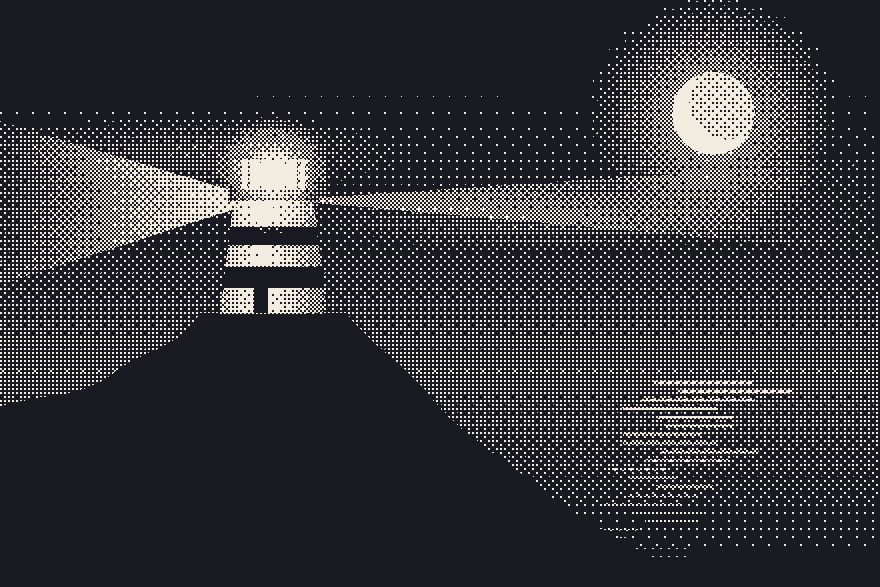
Dithered 1-bit
Layered papercut
Mid-century cartoon
Data-journalism dark
Whiteboard doodle
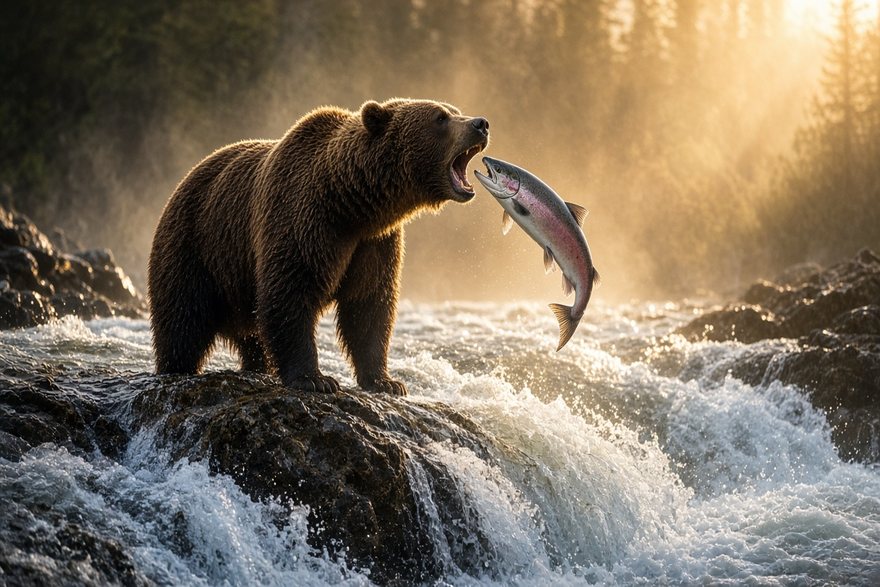
Nature documentary
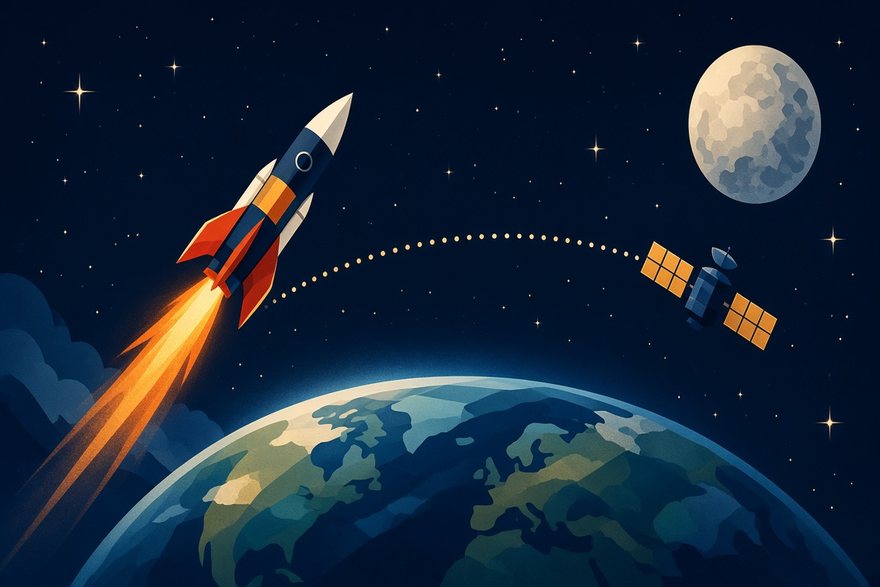
Bold flat vector
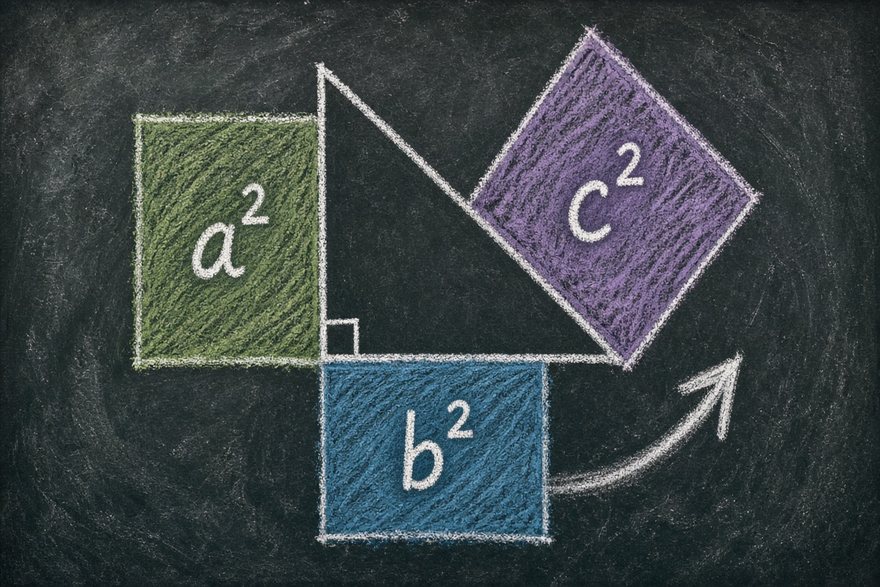
Chalkboard lesson
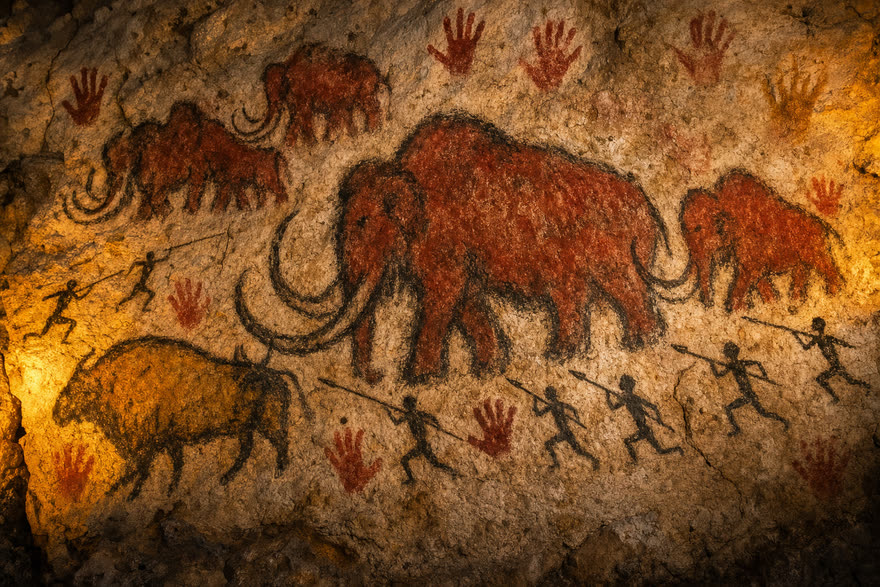
Cave painting
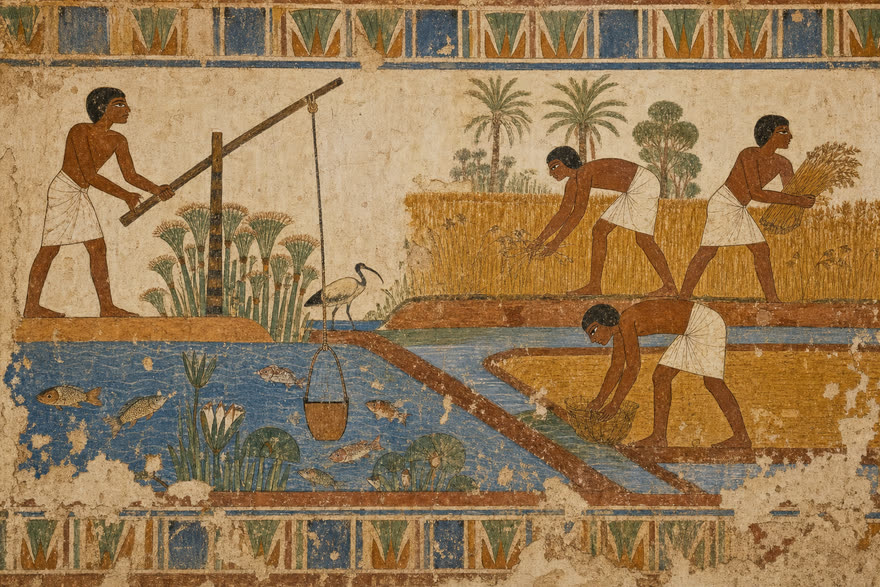
Egyptian wall painting
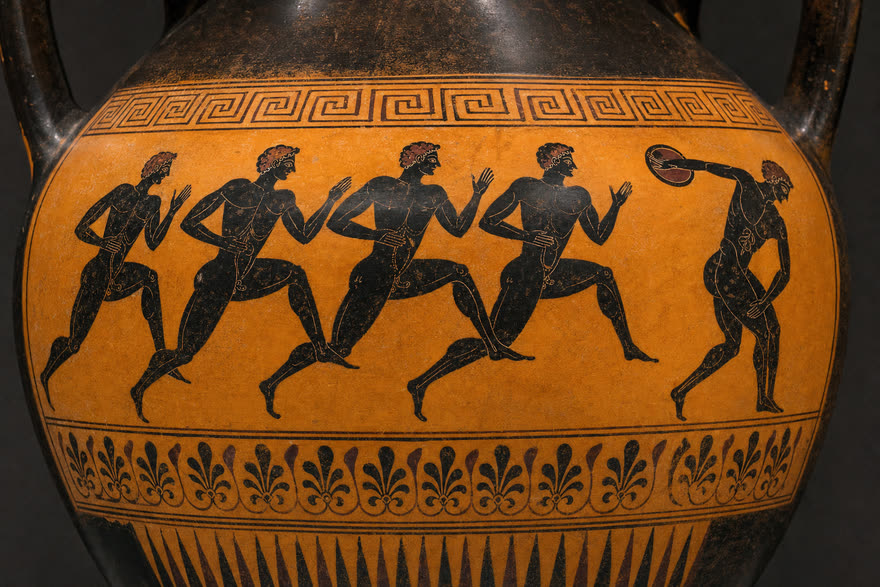
Greek black-figure vase
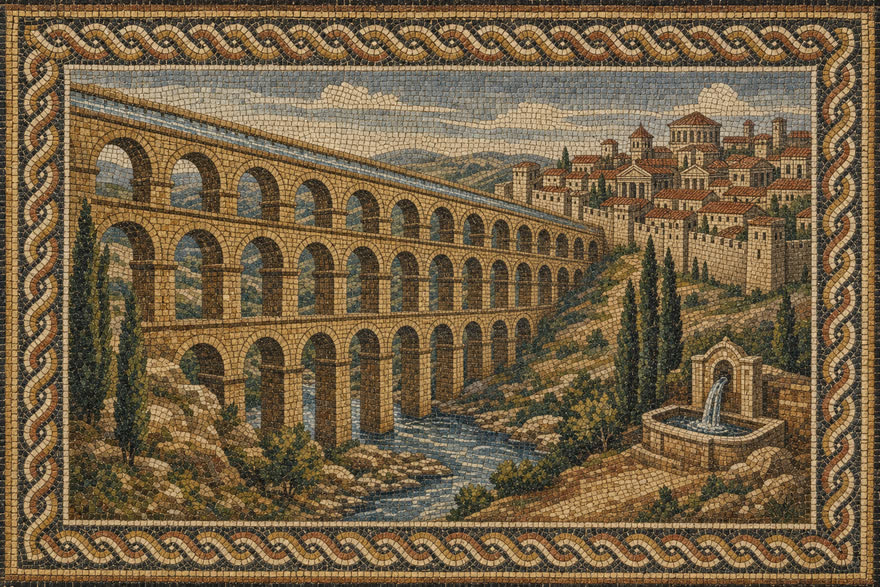
Roman mosaic
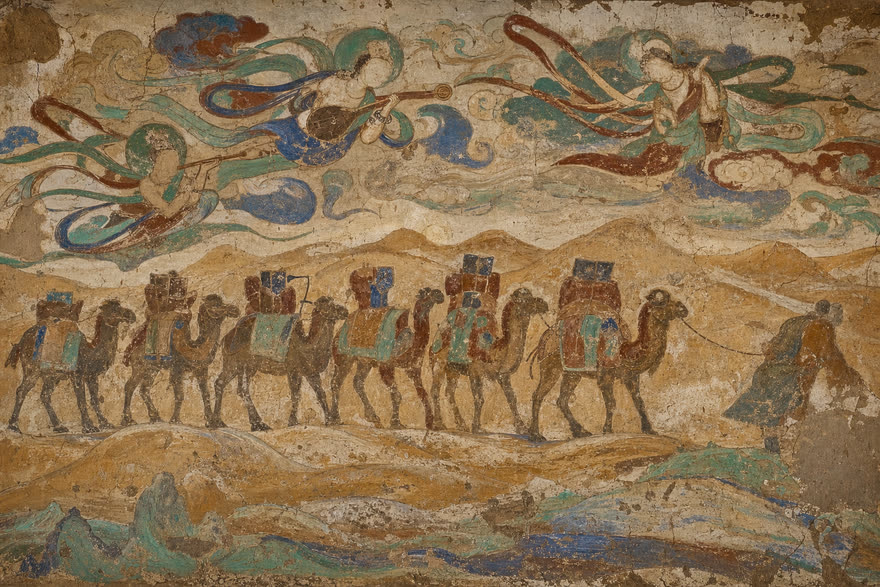
Silk Road cave mural
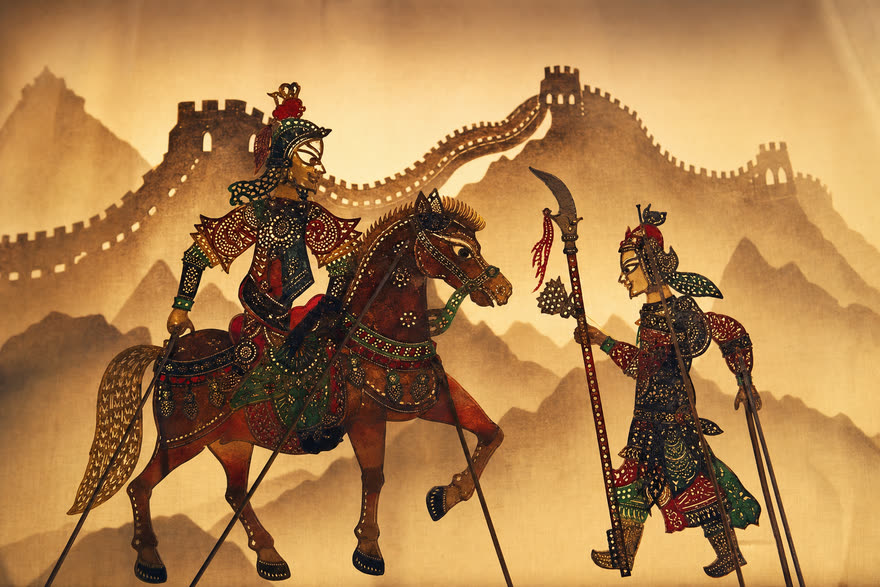
Shadow puppet theatre
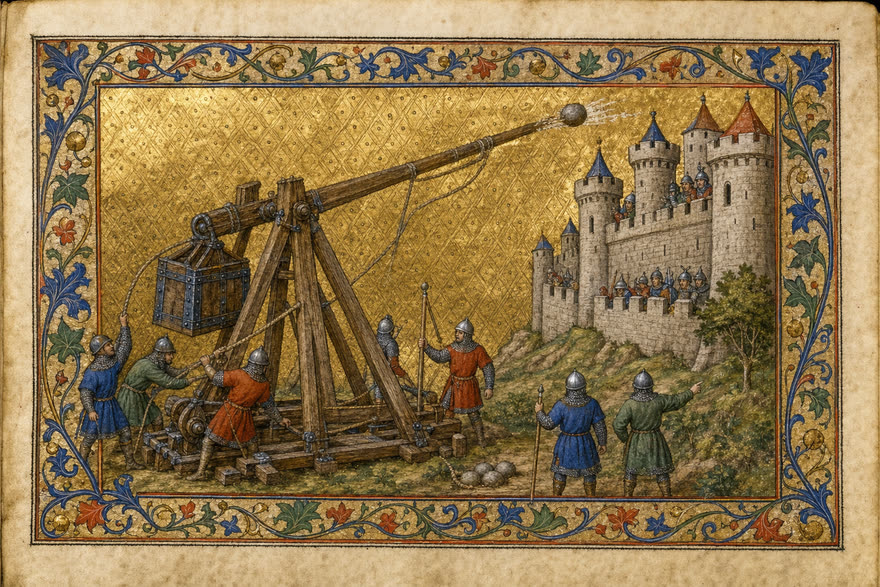
Illuminated manuscript
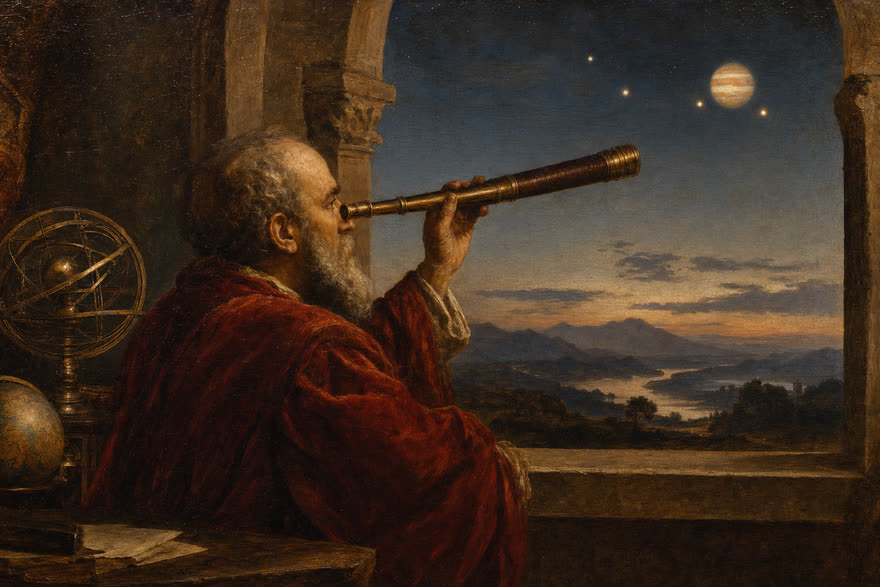
Renaissance oil
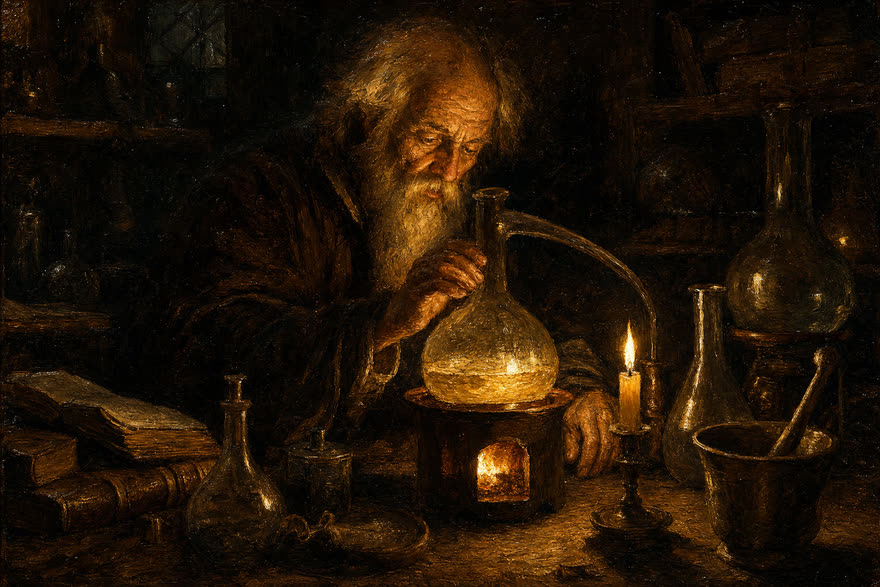
Rembrandt chiaroscuro
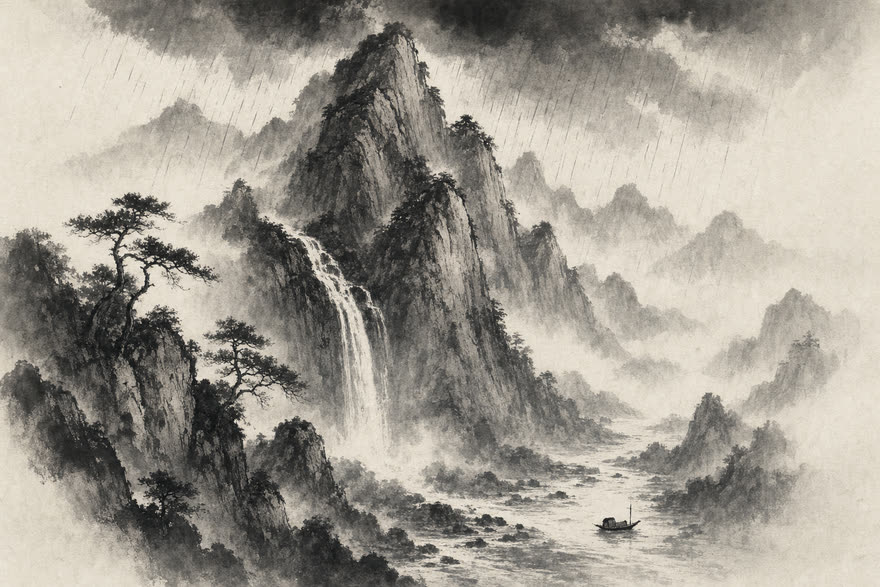
Chinese ink wash
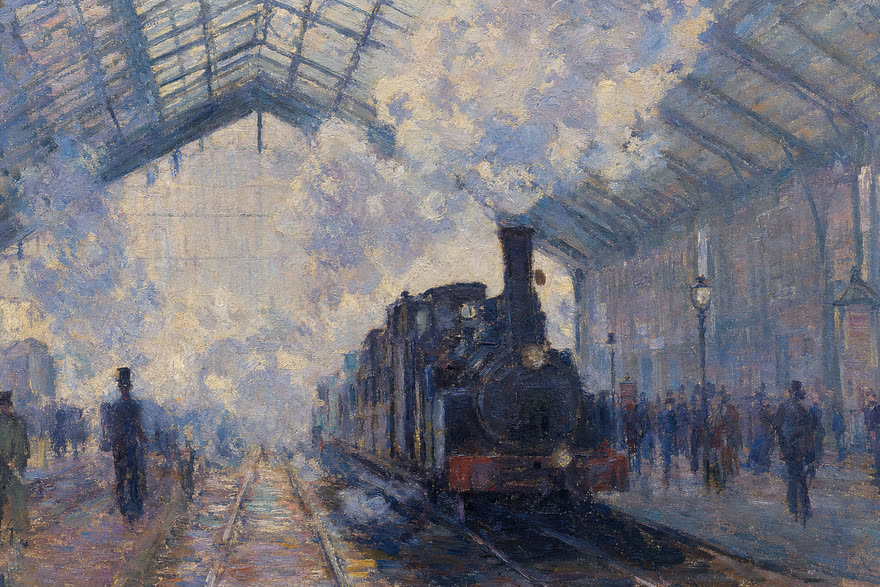
Impressionism
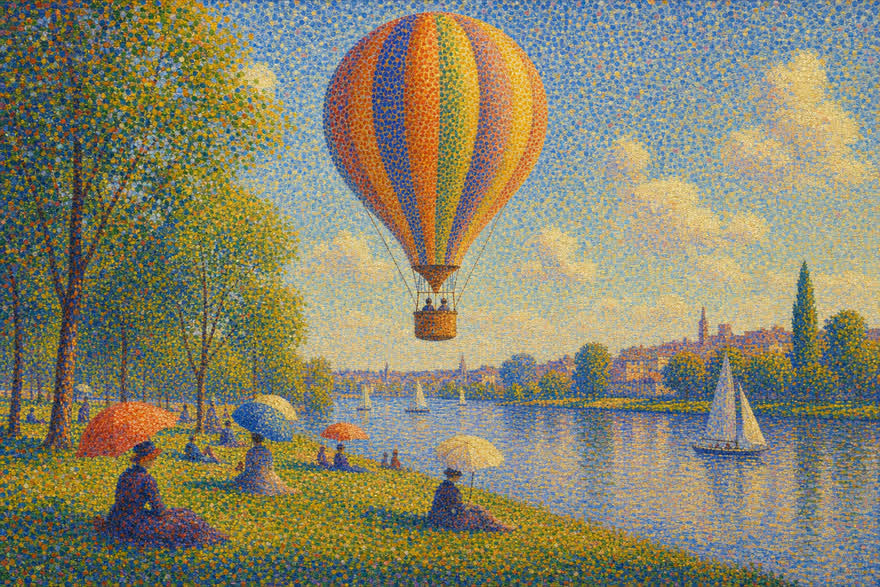
Seurat pointillism
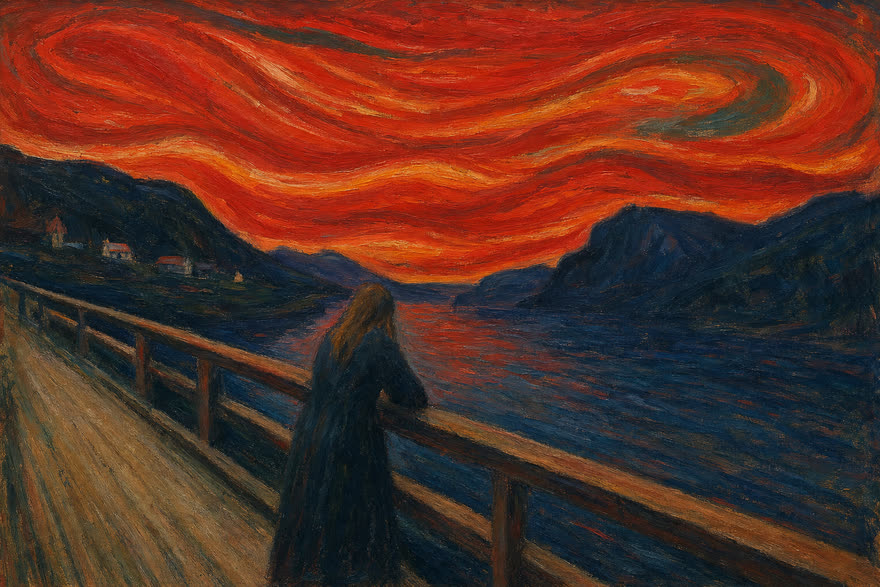
Munch expressionism
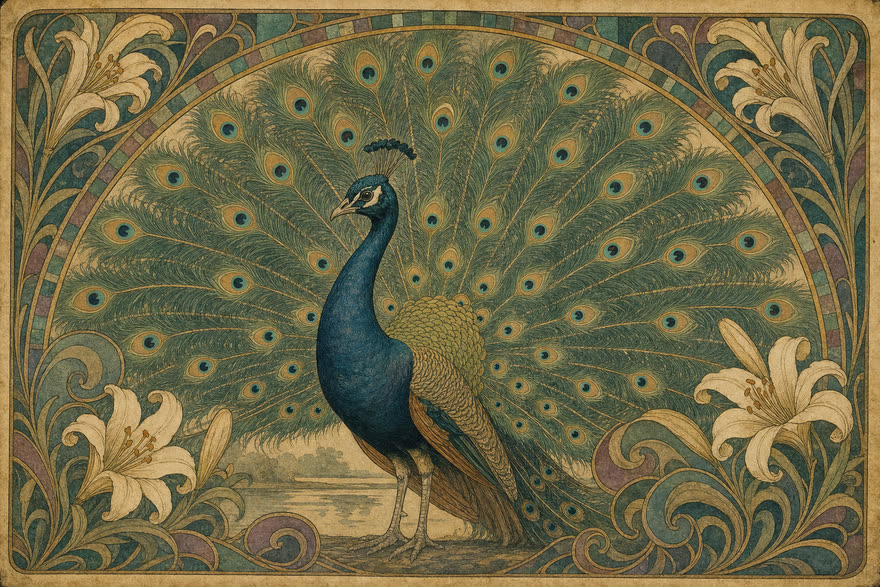
Art Nouveau poster
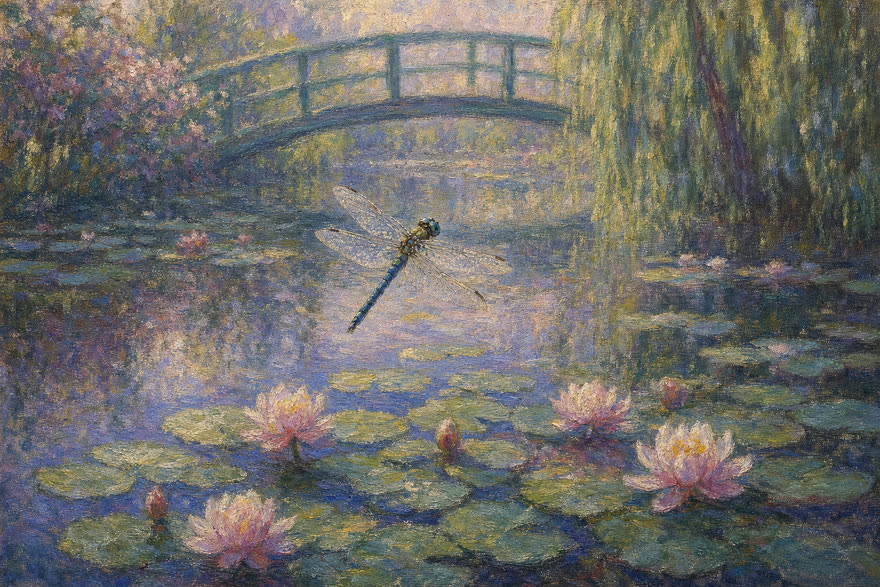
Monet water garden
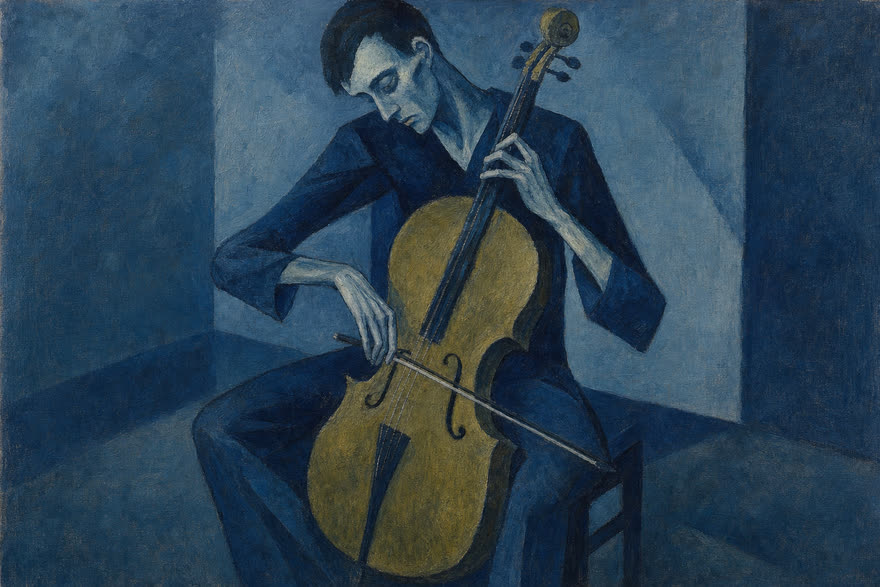
Blue Period
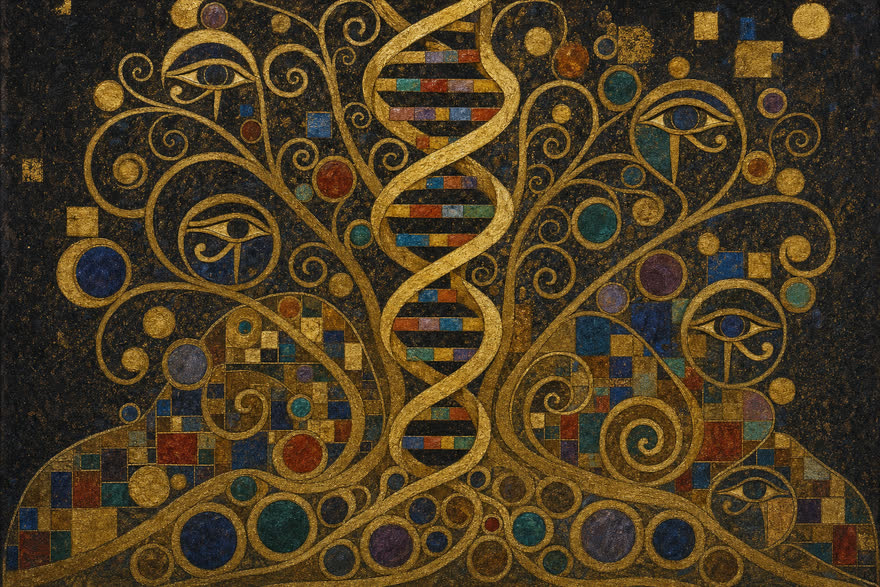
Klimt gold
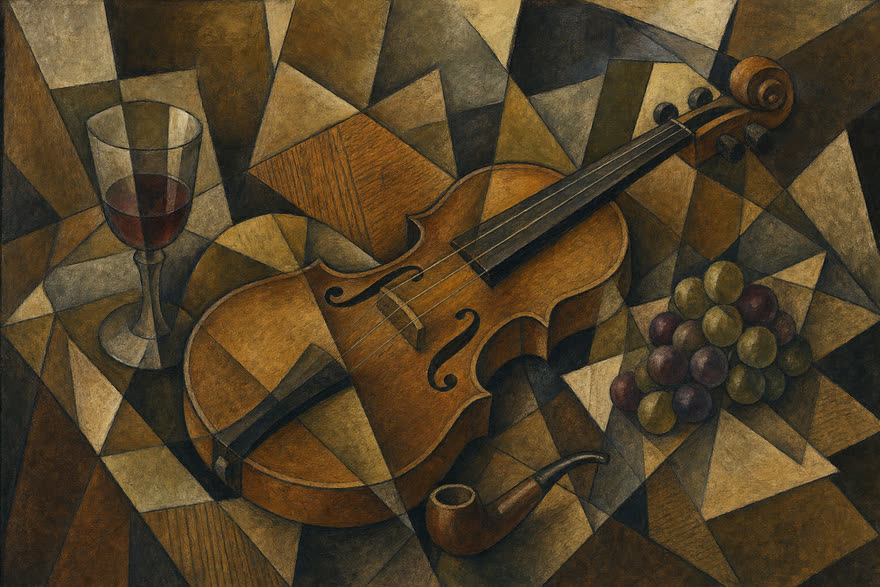
Cubism
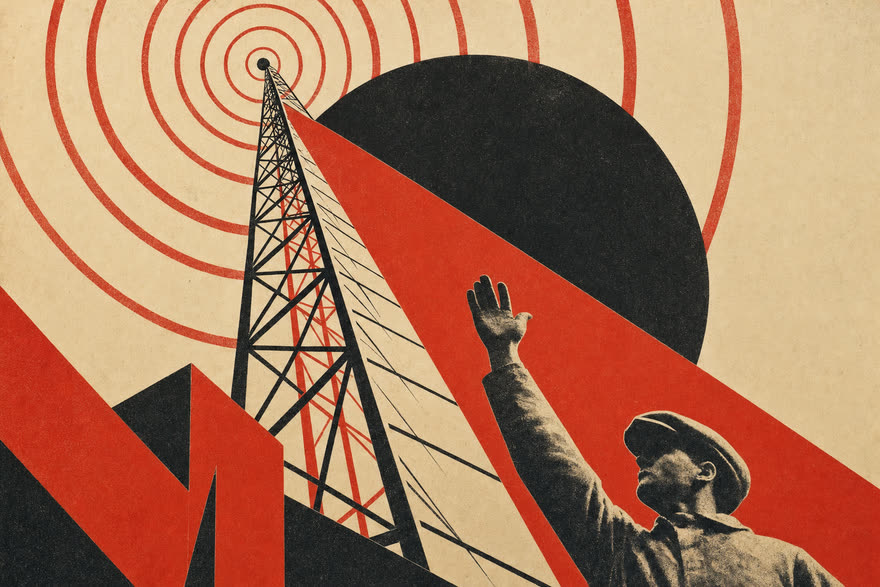
Constructivist poster
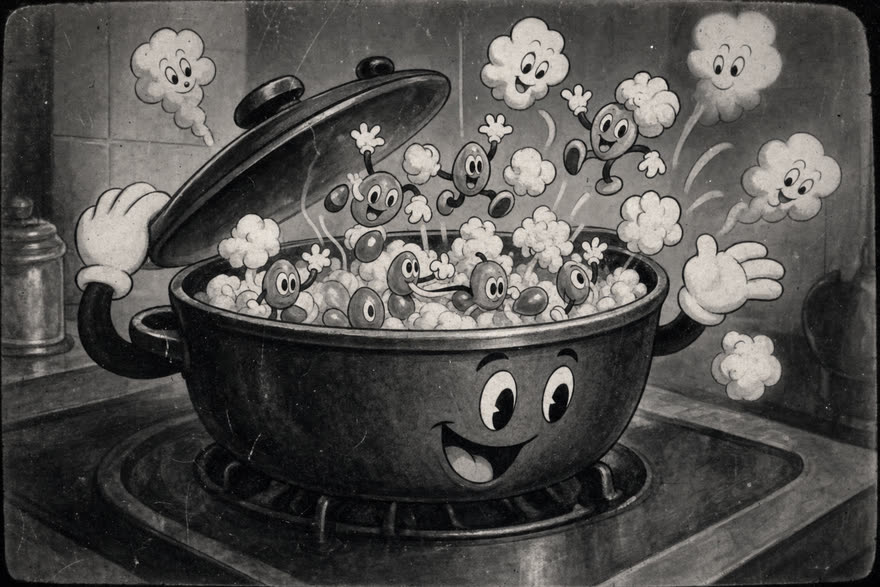
Rubber-hose cartoon
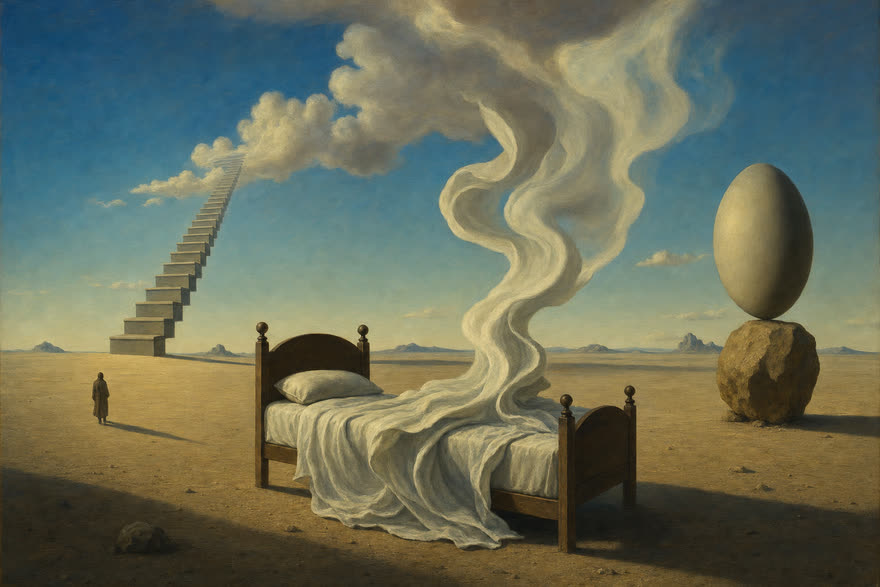
Surrealist dreamscape
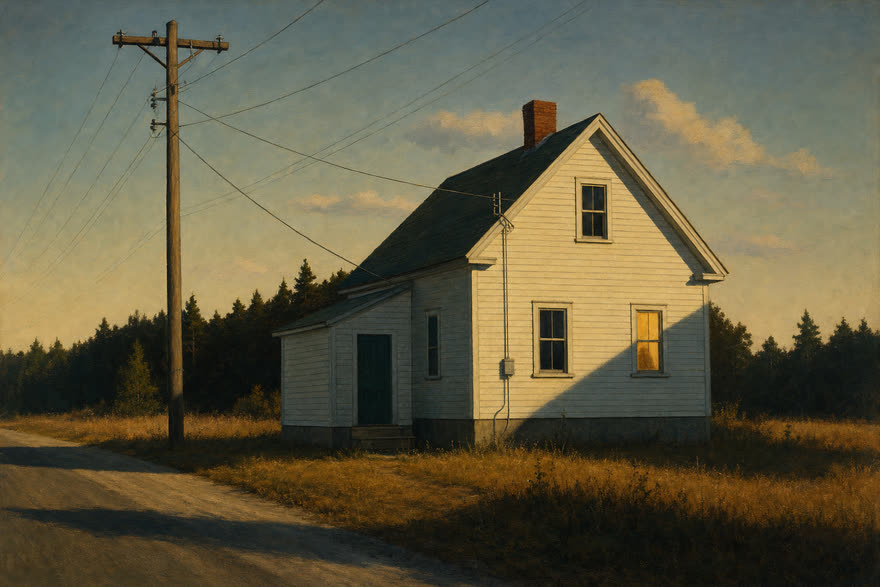
Quiet American realism
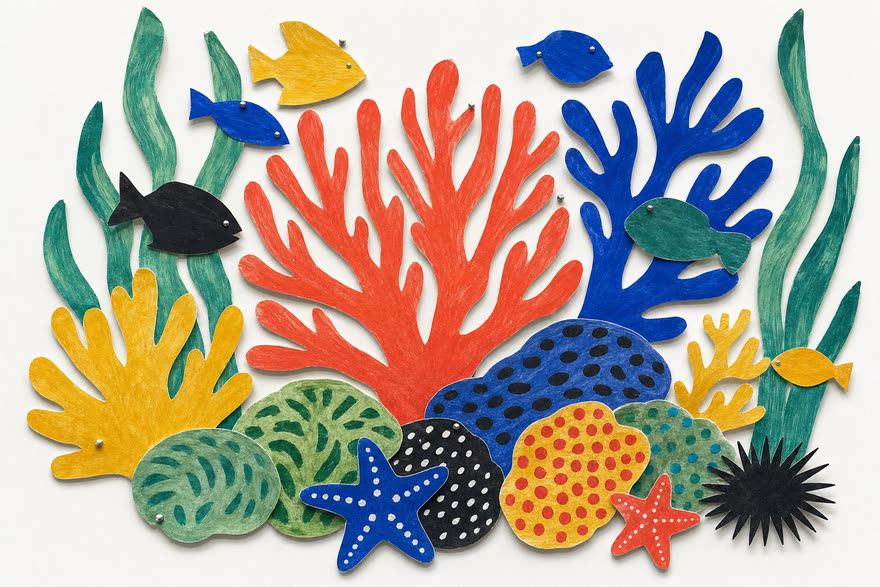
Paper cut-outs
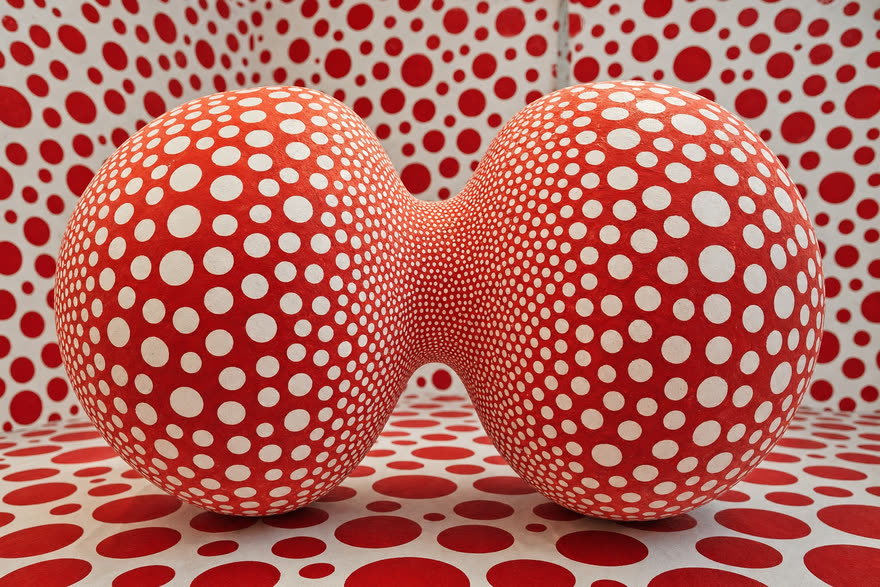
Infinity dots
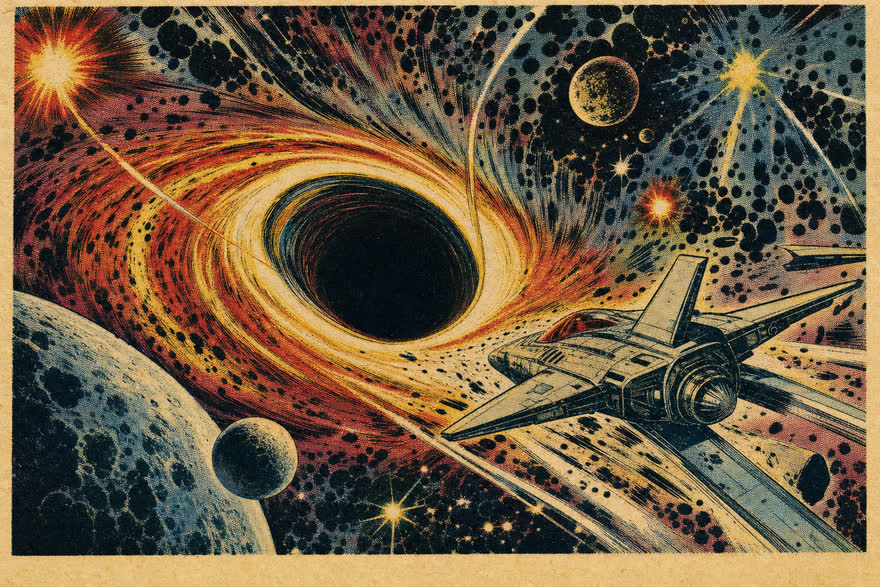
Cosmic comic
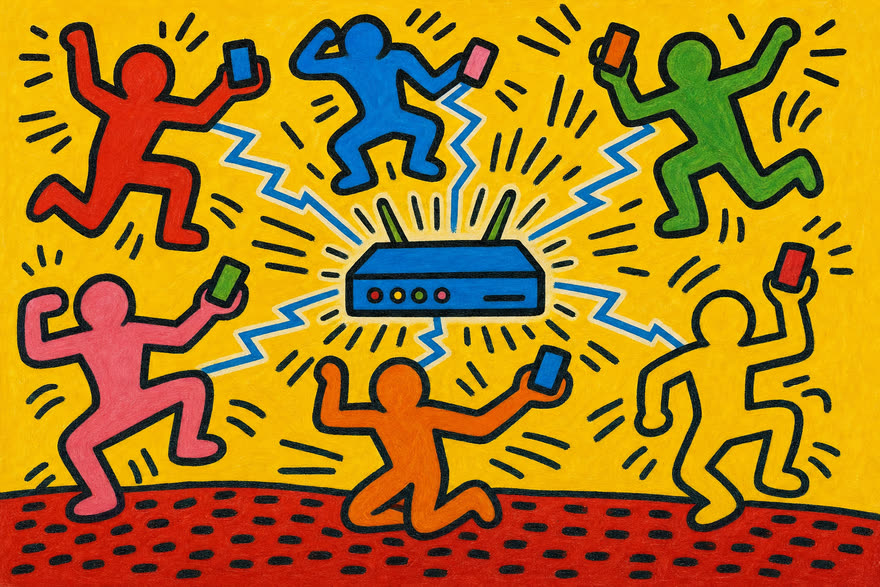
Radiant line pop
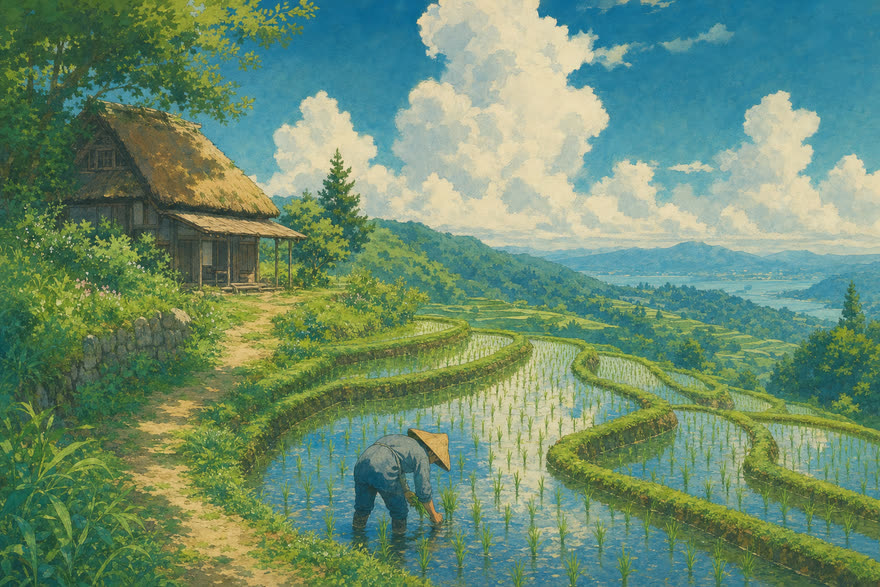
Hand-painted anime
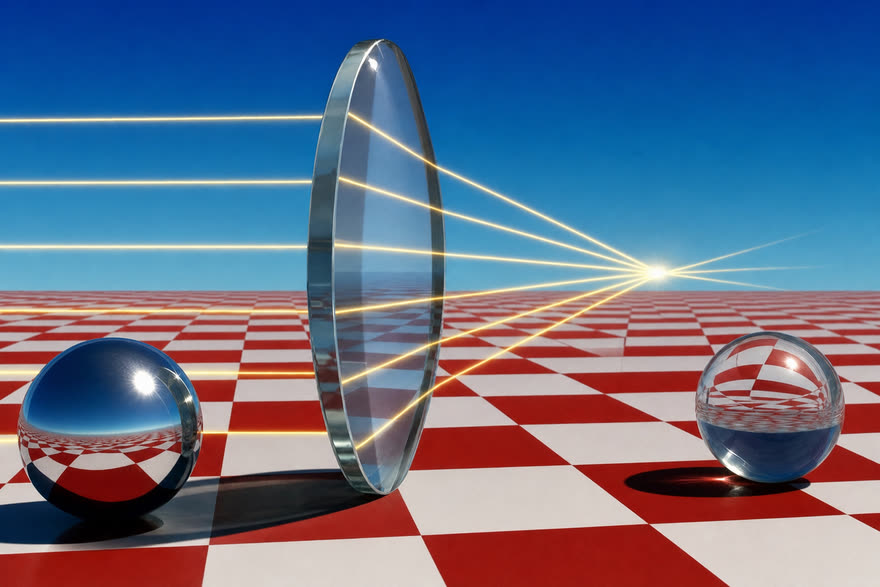
Early ray-traced 3D
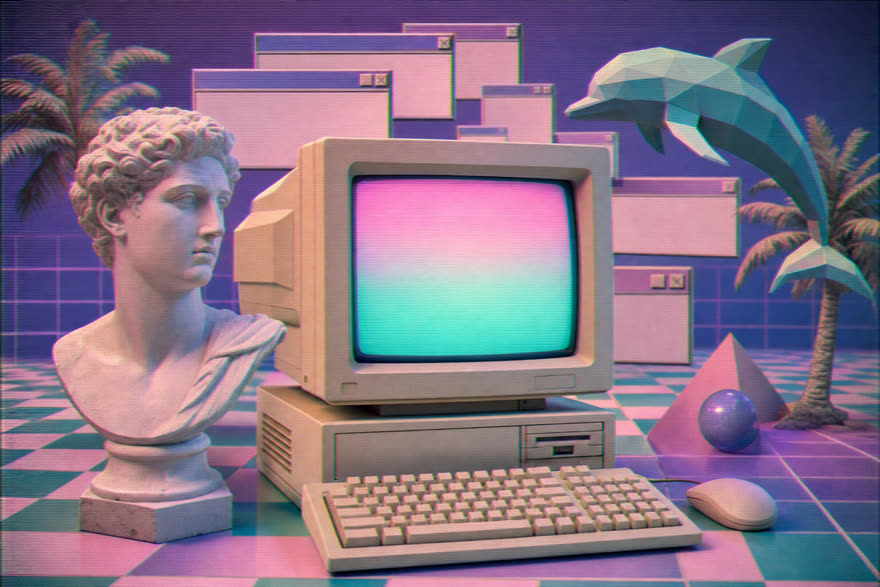
Vaporwave
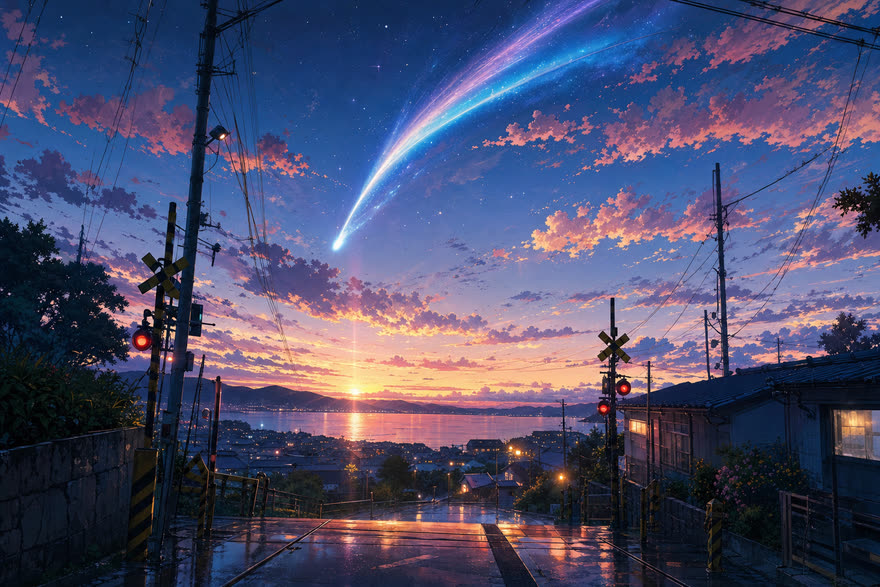
Luminous anime skies
One sentence is enough.
Describe your topic, approve the storyboard, and get a narrated, animated film in about 15 minutes.
Make an explainer in this style